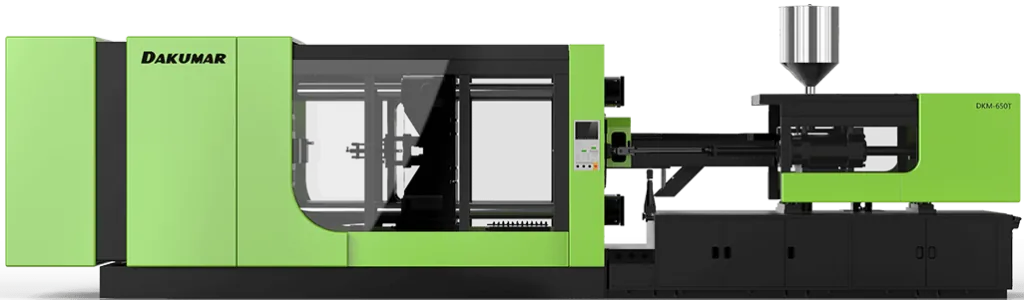
 14 models
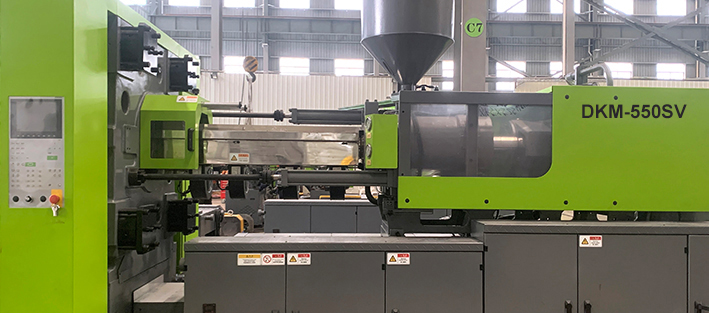
130 Ton Standard Servo Plastic Injection Molding Machine
SV Servo Series — Servo Motor Controlled Injection Molding Machines
Servo motor controlled plastic injection molding machines equipped with a powerful injection unit, an efficient hydraulic system and advanced control technology. The ideal solution in automotive, white goods, electrical-electronics, logistics, medical and household goods production.

Highlighted Features
- 70% energy saving with servo control
- 0.05 second response time — high precision
- KEBA CONTROL system
- Euro Map 67 robot automation compatibility
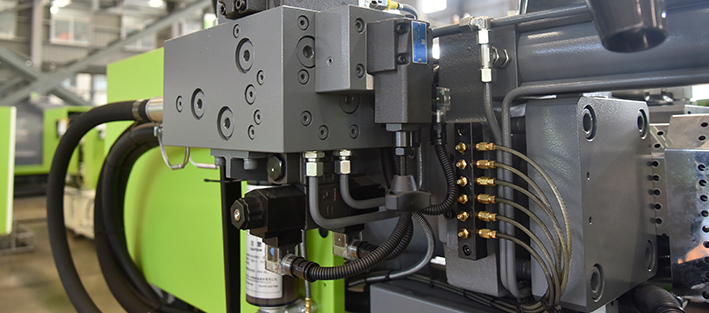
Hydraulic & Servo System
Thanks to the combination of a high efficiency servo motor and an optimized hydraulic system, high performance is achieved with low energy consumption.
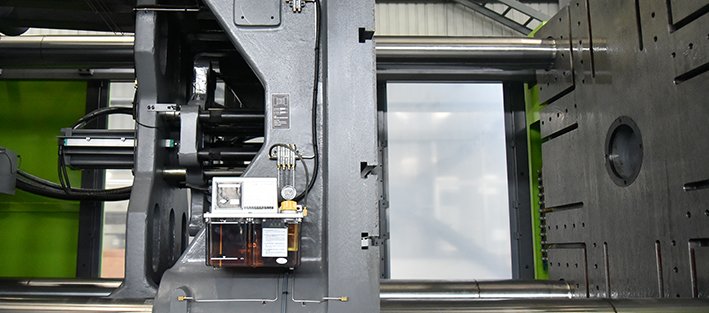
Mold Clamping Unit
Precise and strong clamping force distribution, and high quality part production with a stable machine structure.
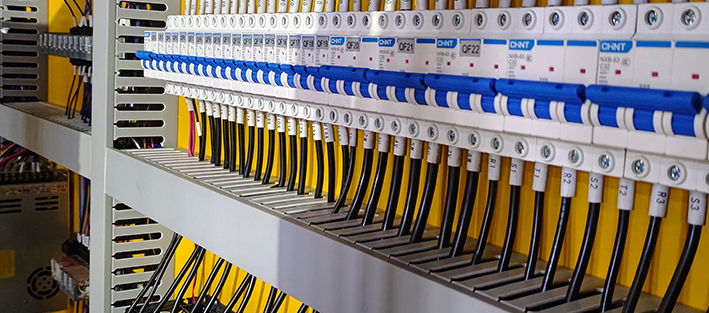
Electrical & Control System
Professional KEBA control system, a user-friendly interface, real-time parameter monitoring and detailed diagnostics.
Production Line
DKM-SV series machines adapt to production plants of every scale — they meet all requirements with a wide range from 130 tons to 3350 tons.
Fields of Use
- Automotive spare part production
- White goods plastic components
- Electrical-electronics
- Logistics equipment
- Medical products
- Household goods
SV covers the widest tonnage band in general purpose production. If your work leans towards a special direction such as thin wall, PET or medical, it is more accurate to compare the complete range of injection molding machine series and move to the right one.
What a general purpose series means
Because SV is not specialized for a particular application, it has the widest field of use in the range. Packaging, household articles, automotive sub-industry, technical parts and electrical-electronic components can all be produced with this series. Not being specialized is not a shortcoming but flexibility: it is the right choice for plants with a varied mold portfolio and changing job types.
What servo drive changes in practice
On a machine with a fixed-speed pump the motor turns at full speed throughout the cycle; the flow beyond what is needed passes through the relief valve and turns into heat. That heat is then carried out by the oil cooling — so energy is spent twice. In a servo system the pump produces only as much flow as is required.
The difference is seen concretely in the annual electricity bill of a plant working three shifts. To make the calculation with your own data you can look at the article on energy consumption and at the cost per part tool.
When to move to another series
- Thin-walled packaging → high injection speed is required, DFS
- Medical and cleanroom → MX
- PET preform / rigid PVC → a dedicated screw is required
- All-electric precision → FE
- Large molds above 600 tons → two-platen TP