Calculators
15 engineering calculations from tonnage to dryer selection — with your own values and a machine suggestion.
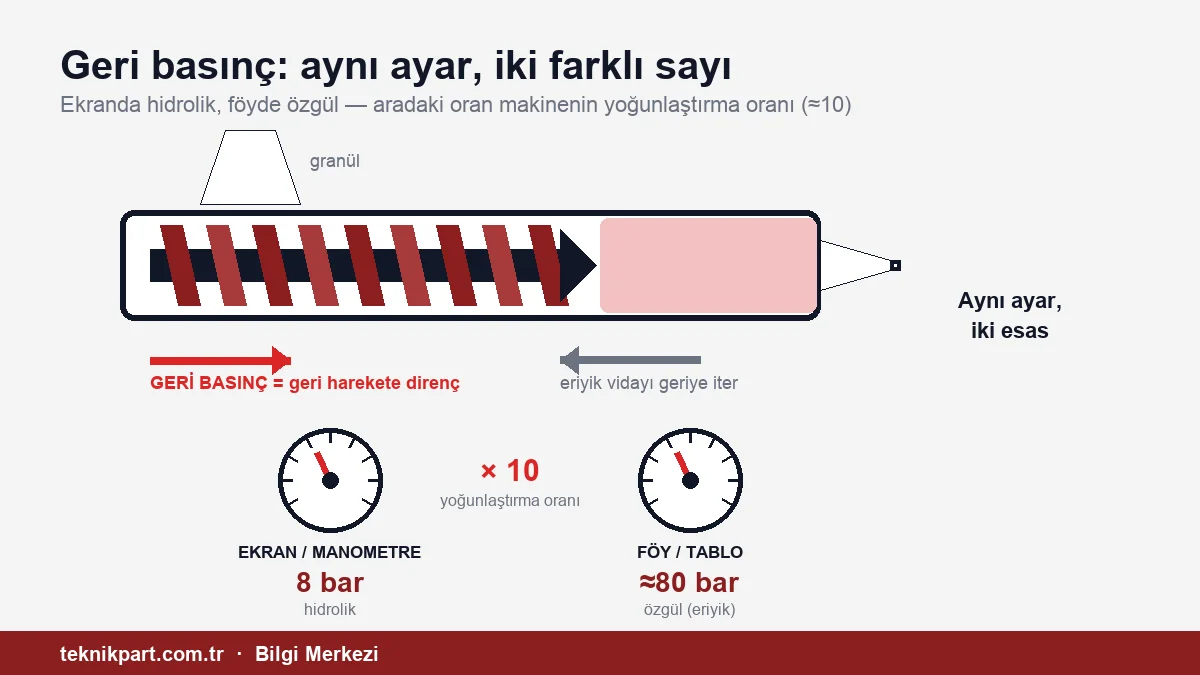
What Is Back Pressure and How Is It Set? Specific vs Hydraulic
8 bar on the screen, 80 bar on the datasheet: the same back pressure, two different bases. This article separates the two, gives bands by material and explains the costs of raising back pressure unnecessarily, drawing on a comment from the shop floor and testing it against the sources.
Read more →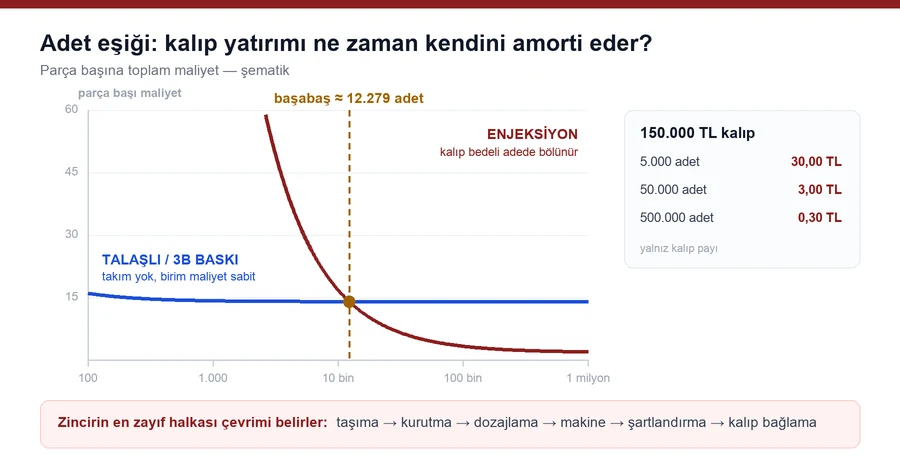
Plastic Part Production: Method Selection, Line Setup and Volume Threshold
Which method is a plastic part produced with, after what quantity does the mold investment pay for itself, and which equipment is essential beside the machine on the production line — an ordered framework for those starting from scratch.
Read more →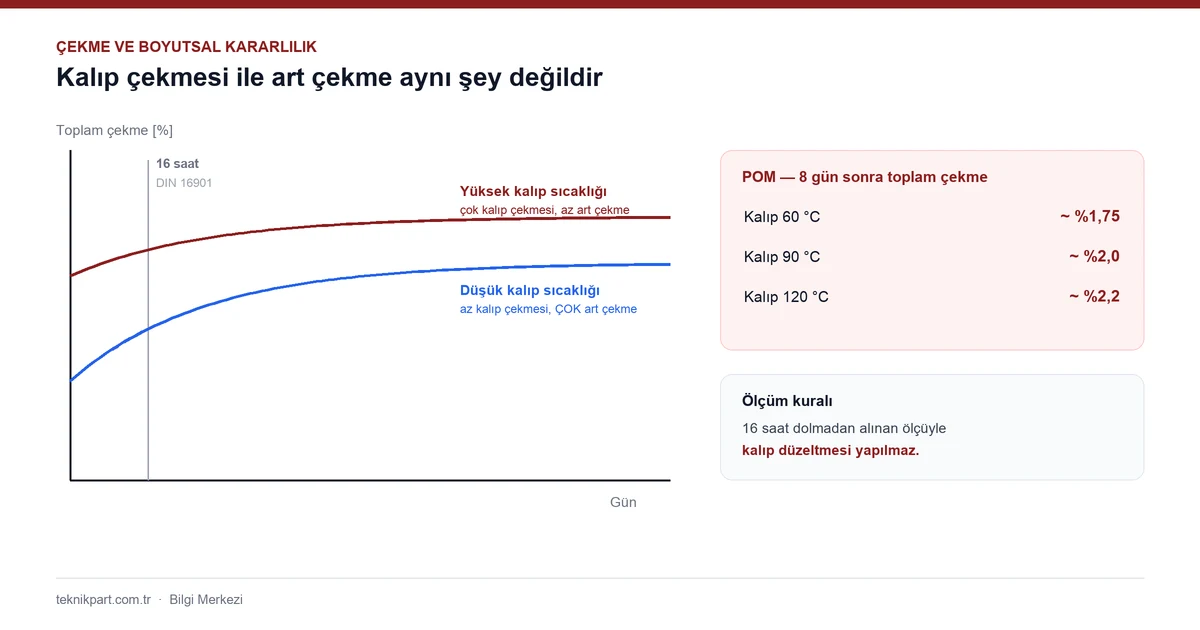
Shrinkage and Dimensional Stability: Why Parts Come Out Off-Size
The difference between mold shrinkage and post-shrinkage, the reverse effect of mold temperature, the directional dependence of glass fiber, and which parameter changes shrinkage in which direction. A systematic diagnosis of parts that do not hold dimension.
Read more →
Commissioning a New Mold: A Systematic Mold Trial Procedure
Commissioning a new mold not by trial and error but with a procedure whose order is fixed. The partial fill method, the switchover point, determining effective holding time by weighing, the process window and a multi-parameter trial plan.
Read more →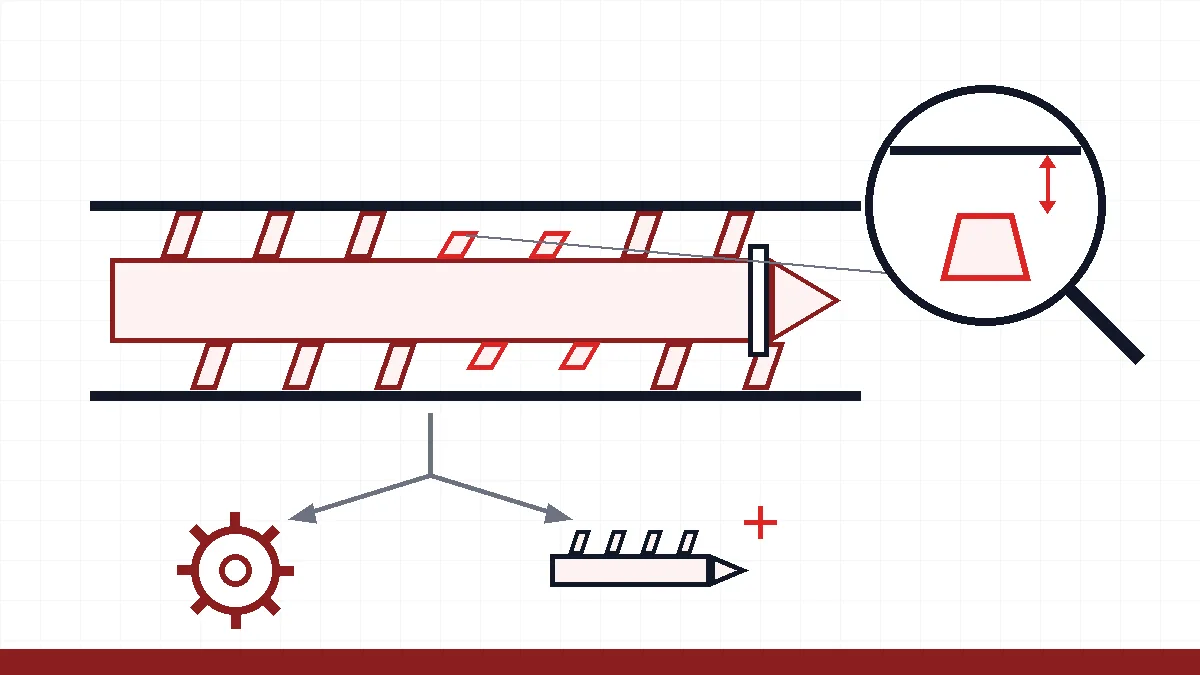
Screw and Barrel Refurbishment: When, and With Which Option?
Clearance measured, values at the limit — what now? The invisible cost of postponing, the non-return valve first, 6 refurbishment options and the chance to upgrade the geometry.
Read more →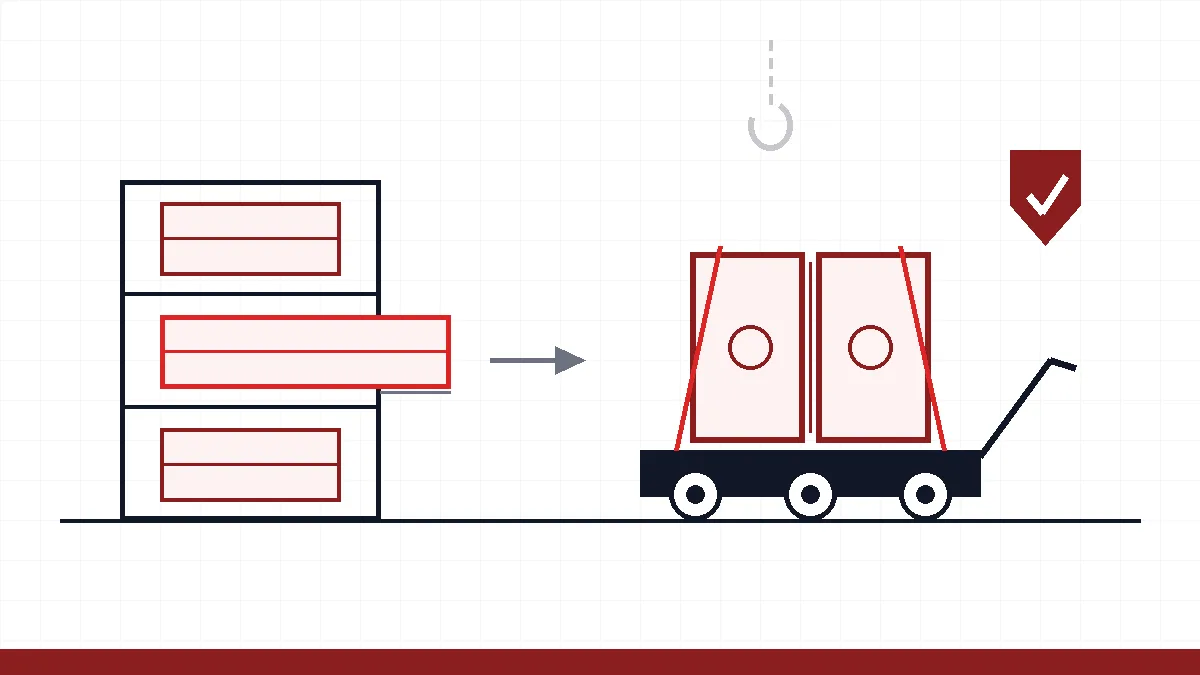
Mold and Machine Handling Safety in the Plant
Crane, forklift, transport cart: which one, and when? Safe ways of moving molds and machines, route planning, equipment classes and five basic safety rules.
Read more →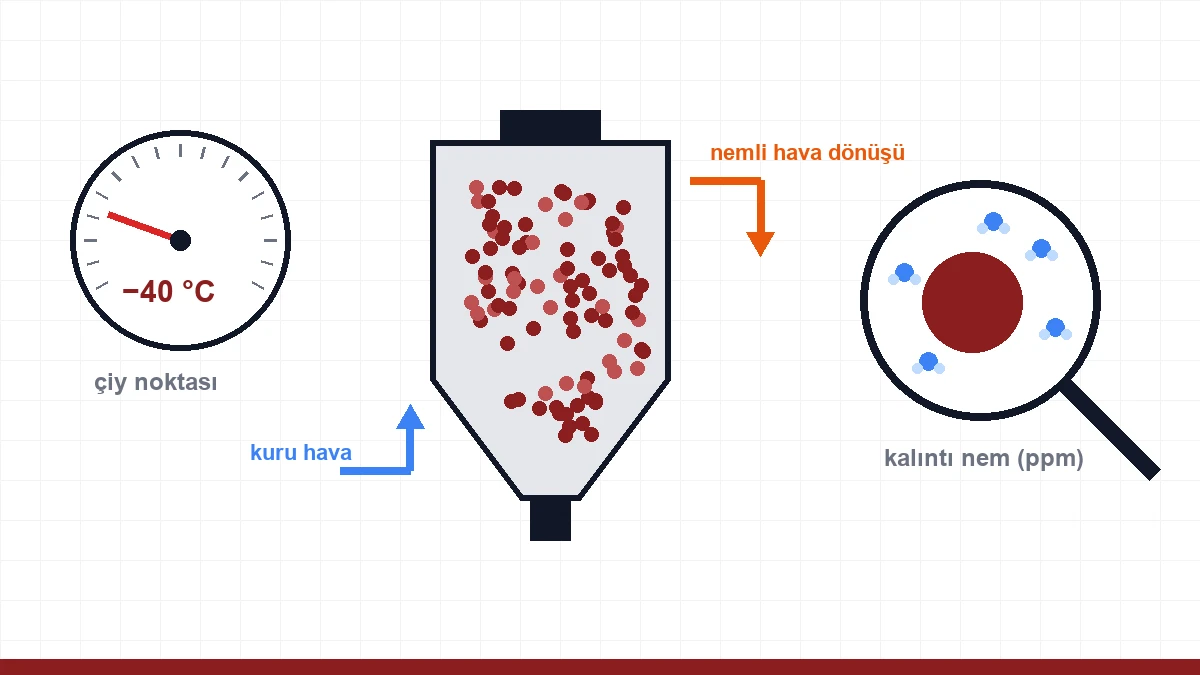
Resin Moisture and Dew Point Measurement
A dryer running does not prove the granulate is dry. The difference between dew point and residual moisture, measurement methods, target values and a 6-step dryer audit.
Read more →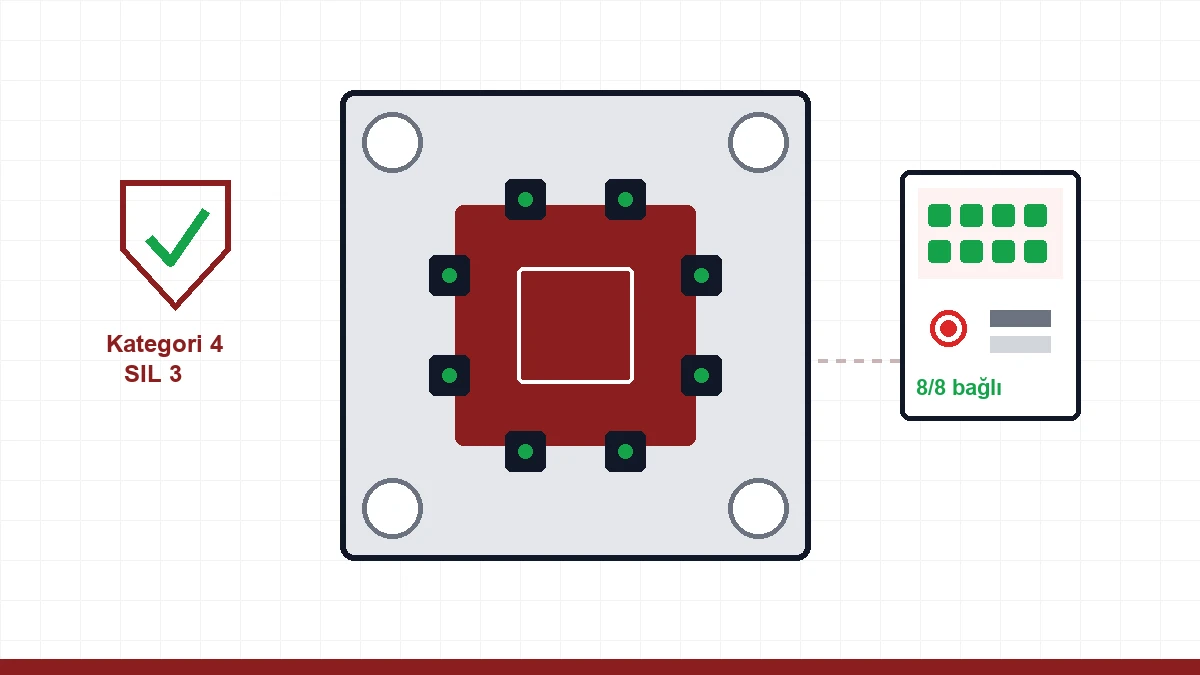
Case Study: Quick Mold Clamping on a 3200 Ton Press
The anatomy of a real QMC project: a corporate specification, a Category 4 safety architecture, machine integration and the items that don't appear in the catalog — an anonymous case study.
Read more →
Mold Cooling and Cooling Channel Design
Where should a cooling channel run, and how fast should the water flow? Channel layout rules, turbulence, series/parallel circuits, scaling and verification measurements on the shop floor.
Read more →
Injection Molding Machine Communication: From EUROMAP 63 to 77
The standard ways of collecting data from the machine: how file-based EUROMAP 63 works, what OPC UA-based EUROMAP 77 brings, and what to watch for when investing.
Read more →
Engineering Plastics: Types, Selection and Processing
PA, POM, PC, PBT, PPS, PEEK... Which engineering plastic is used in which part, what glass fiber changes, and what discipline processing requires — with selection tables.
Read more →
What Is an Injection Molding Machine? Working Principle and Main Units
What is a plastic injection molding machine and how does it work? The six stages of the injection cycle, the parts of the machine, what tonnage means and the materials that can be processed.
Read more →
How Is Cost per Molded Part Calculated?
Raw material, machine hour, mold amortization and scrap. The cost formula, a worked example and the invisible items most often missed when quoting.
Read more →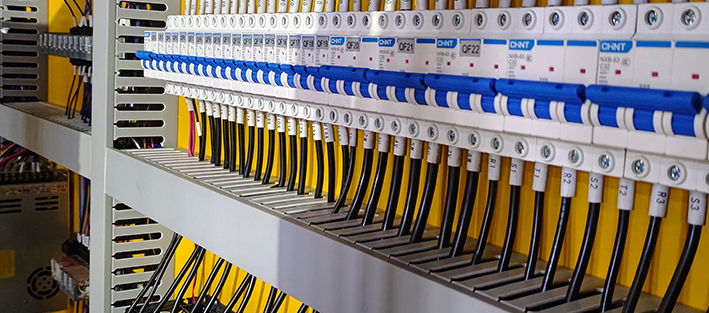
Energy Consumption and Savings in Injection Molding
You cannot save without knowing where the energy bill goes. Measurable gains on the machine, drying, cooling and compressed air side.
Read more →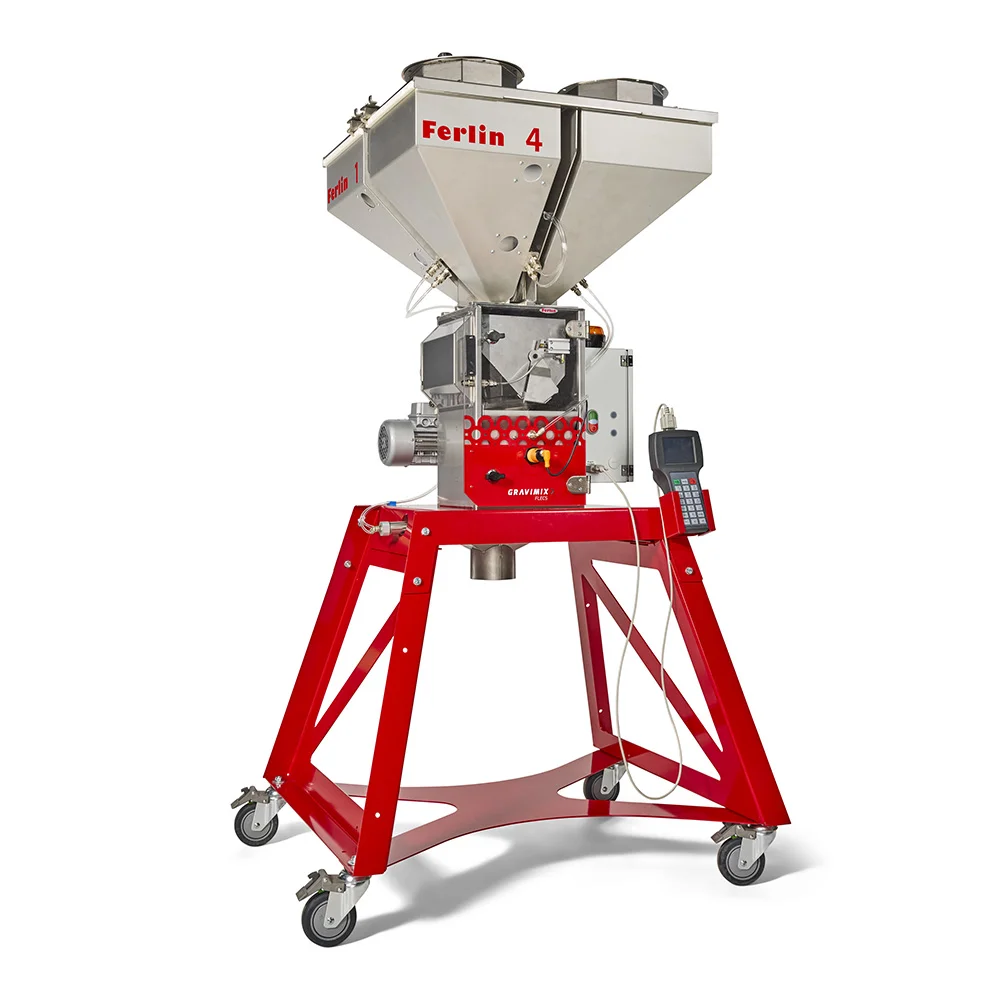
How to Shorten Color and Material Changeover Time
Color changes are an invisible cost. A map of the contaminated points, the order of changes, hidden causes that prolong cleaning, and equipment decisions that shorten the time.
Read more →
Screw and Barrel Wear: Causes and Prevention
Wear does not come from a single cause. Abrasive, corrosive and adhesive mechanisms, early warning signs, clearance measurement and screw and barrel material selection.
Read more →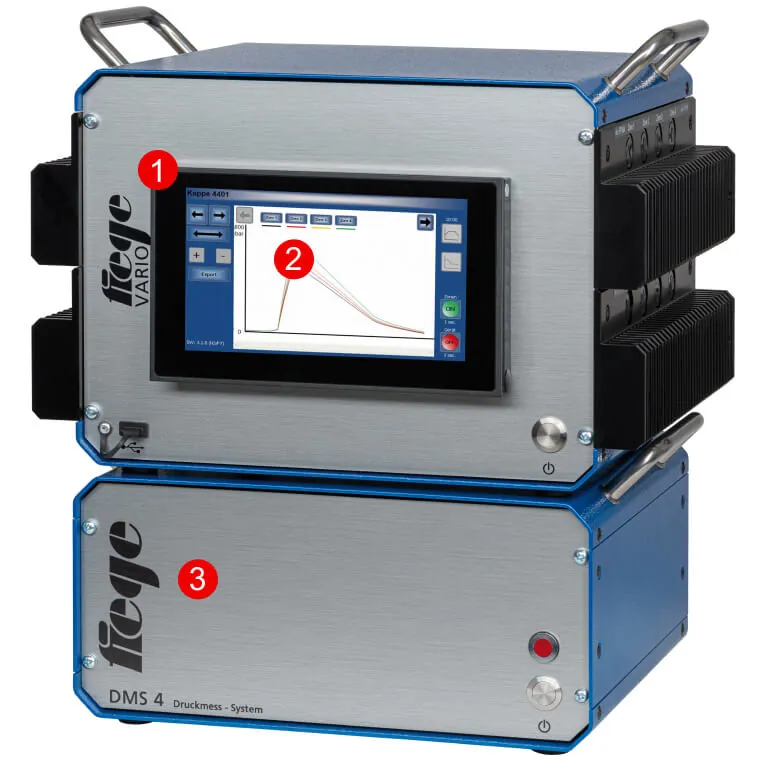
Process Validation with Cavity Pressure Measurement
Machine pressure and the real pressure in the cavity are not the same. Reading the pressure curve, sensor placement, automatic good/bad part sorting and cavity balance in multi-cavity molds.
Read more →
Mold Maintenance and Periodic Inspection Plan
A maintenance plan based on shot count, inspection items, opening and turning the mold safely, storage and record keeping — the way to turn unplanned downtime into planned maintenance.
Read more →
How to Shorten Injection Molding Cycle Time
60 percent of the cycle is spent on cooling. The square effect of wall thickness, mold temperature balance, determining holding time, and the seconds gained with a hot runner.
Read more →
PET Preform Production: Machine Selection and Process Guide
Why is drying the most critical step in PET preform production? IV loss, AA value, tonnage and cavity count calculation, screw design and mold cooling temperature.
Read more →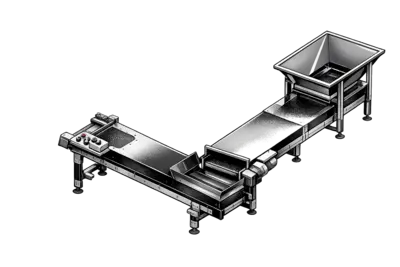
Part Handling After Molding: A Conveyor Selection Guide
From the below-machine conveyor to sorting and boxing: belt types, robot integration, part cooling and points to watch when choosing a conveyor.
Read more →
A Guide to Using Regrind: Turning Plastic Waste into Value
How can runners and scrap be recovered safely? Granulating strategy, the right regrind ratio, metal risk and consistent recipe management with gravimetric dosing.
Read more →
Metal Separation in Plastics Production: Protecting the Screw and the Mold
How does metal get into raw material, and what does a single bolt cost the screw and barrel? Magnet types, separator selection and the right installation points.
Read more →
MuCell Technology: Up to 20% Weight Reduction with Foam Injection Molding
The working principle of microcellular foam injection molding, how it eliminates sink marks and warpage, which parts it suits and the path to adopting the system.
Read more →
What Is a Hot Runner System? Advantages Over a Cold Runner
The working principle of hot runner technology, its material and cycle gains over a cold runner, needle valve control and cascade sequential injection.
Read more →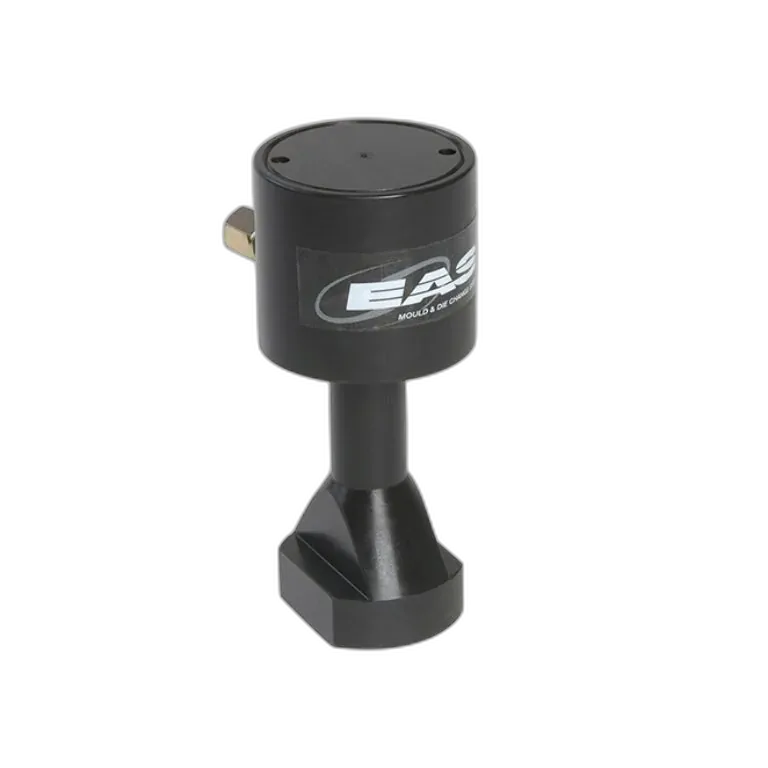
Reducing Mold Change Time: Magnetic Platens or Hydraulic Clamps?
Mold changes with the SMED approach: a comparison of electro-permanent magnetic platens and hydraulic clamping systems, safety and selection criteria.
Read more →
Central Material Conveying: When Is It Needed and How Is It Installed?
The right time to move from machine-mounted loaders to a central vacuum system, the system components, pipeline design and the critical points during installation.
Read more →
Injection Molding Defects and Solutions: Sink Marks, Warpage, Silver Streaks
Causes and practical solutions for the 7 most common injection molding defects: sink marks, warpage, silver streaks, short shots, flash, burn marks and weld lines.
Read more →
What Is Mold Temperature Control? Water-Based and Oil-Based Systems
The effect of mold temperature on part quality, the difference between water and oil-based temperature control units, unit selection by temperature range and Industry 4.0 communication.
Read more →The Difference Between Gravimetric and Volumetric Dosing
A comparison of the two methods for masterbatch and additive dosing on precision, scrap and cost — and how a gravimetric system pays back its investment.
Read more →
Why Is Plastic Resin Dried? A Guide to Hygroscopic Plastics
Why can't PA, PC, ABS and PET be molded without drying? The difference between dry air and hot air dryers, the dew point concept and a drying table by material.
Read more →
Servo Hydraulic, Hydraulic and All-Electric Injection Molding Machines
A comparison of the three drive technologies on energy consumption, precision, speed and investment cost — which is right for which production?
Read more →
How to Choose an Injection Molding Machine
A step-by-step machine selection guide with the clamping force calculation, screw diameter, a servo-hydraulic-electric comparison and a purchasing checklist.
Read more →