Central Material Conveying and Loading Systems Products(55)
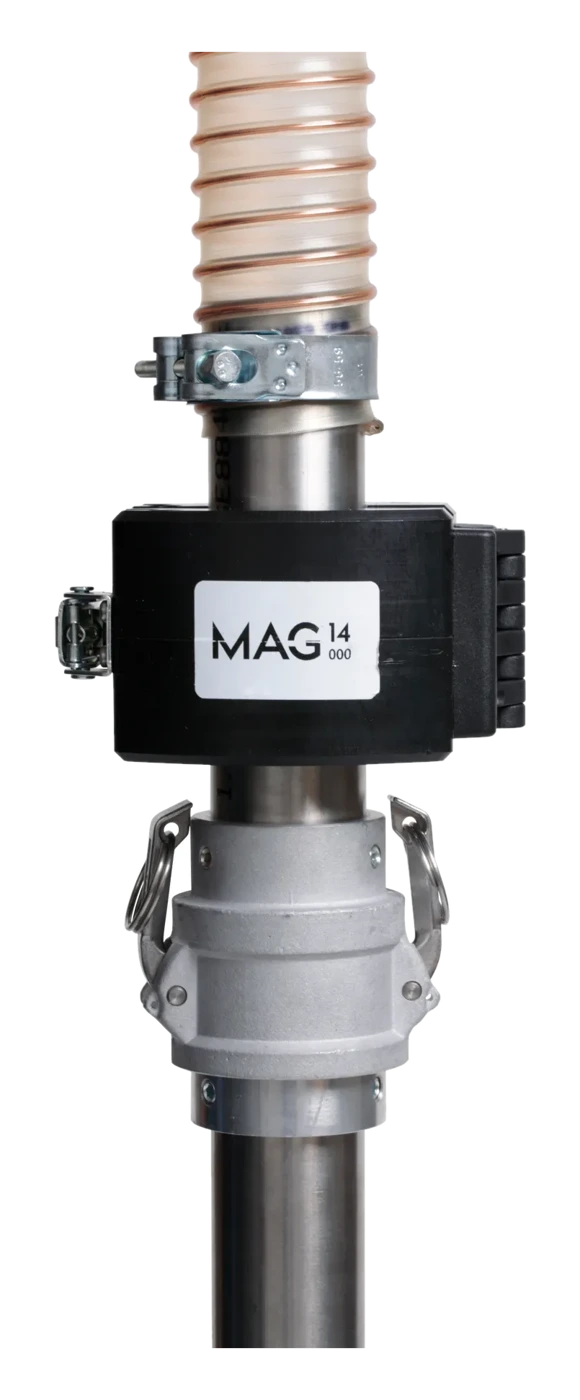 Michel Tube Engineering
›Magnetic Separators
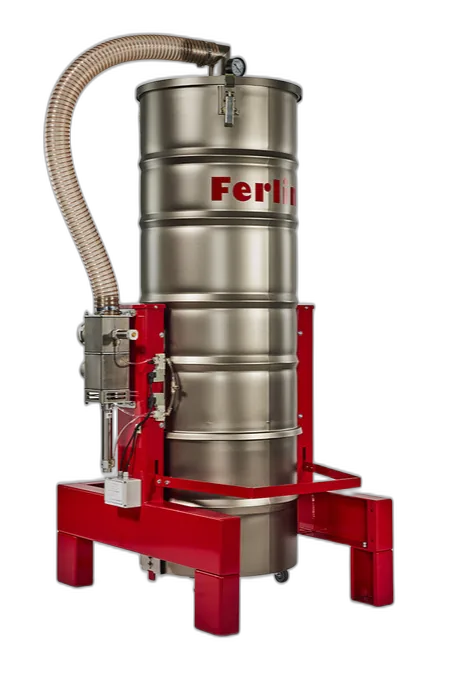 Ferlin Plastics Automation
›MOVAC Central Vacuum Pumps and Filter Units
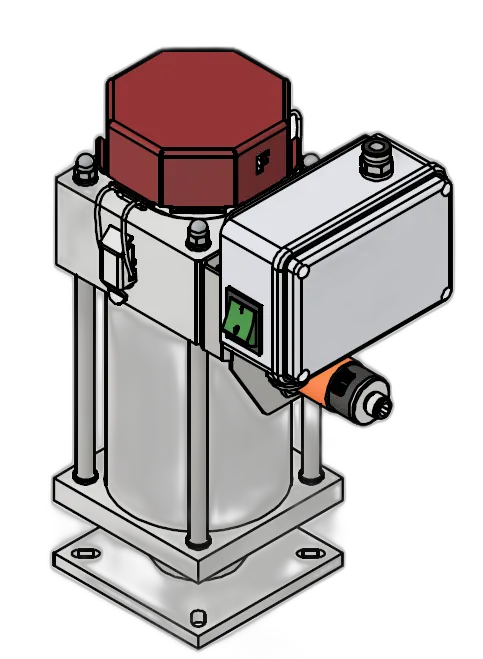 Ferlin Plastics Automation
›MOVAC Easy
 Ferlin Plastics Automation
›Automatic Coupling Station
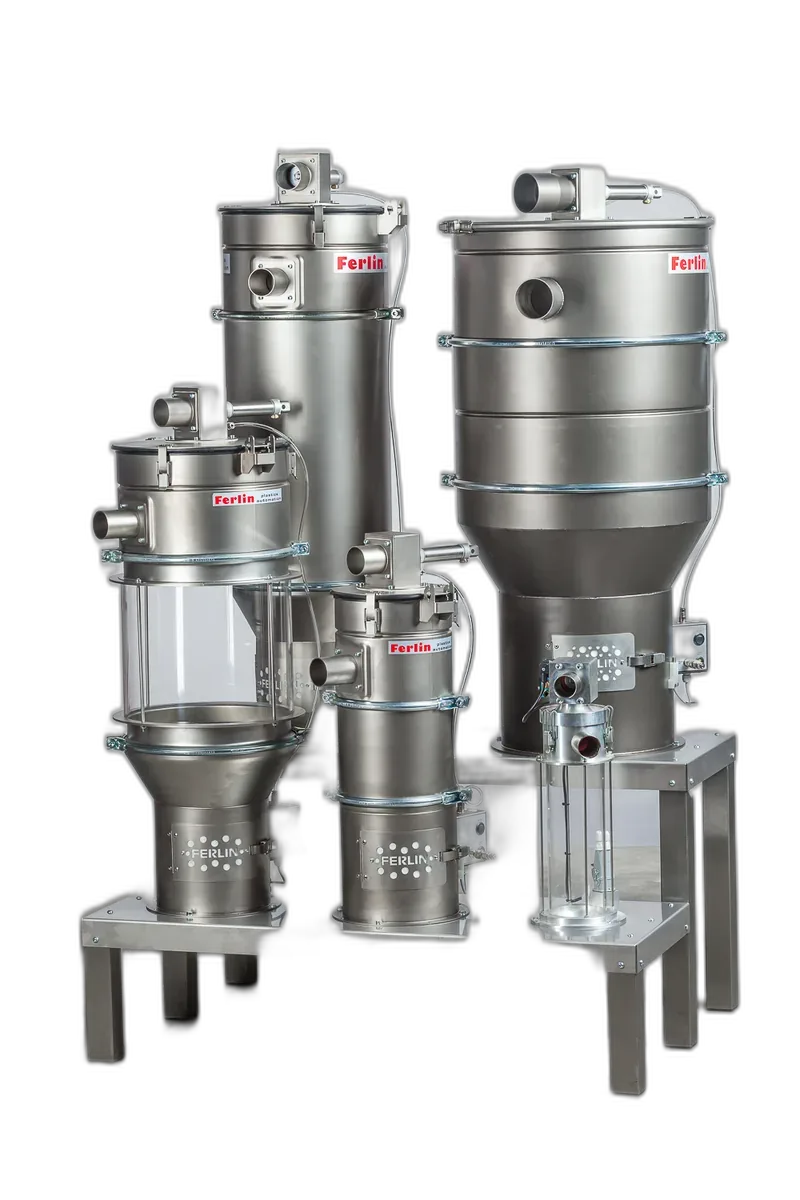 Ferlin Plastics Automation
›Central Hopper Loaders
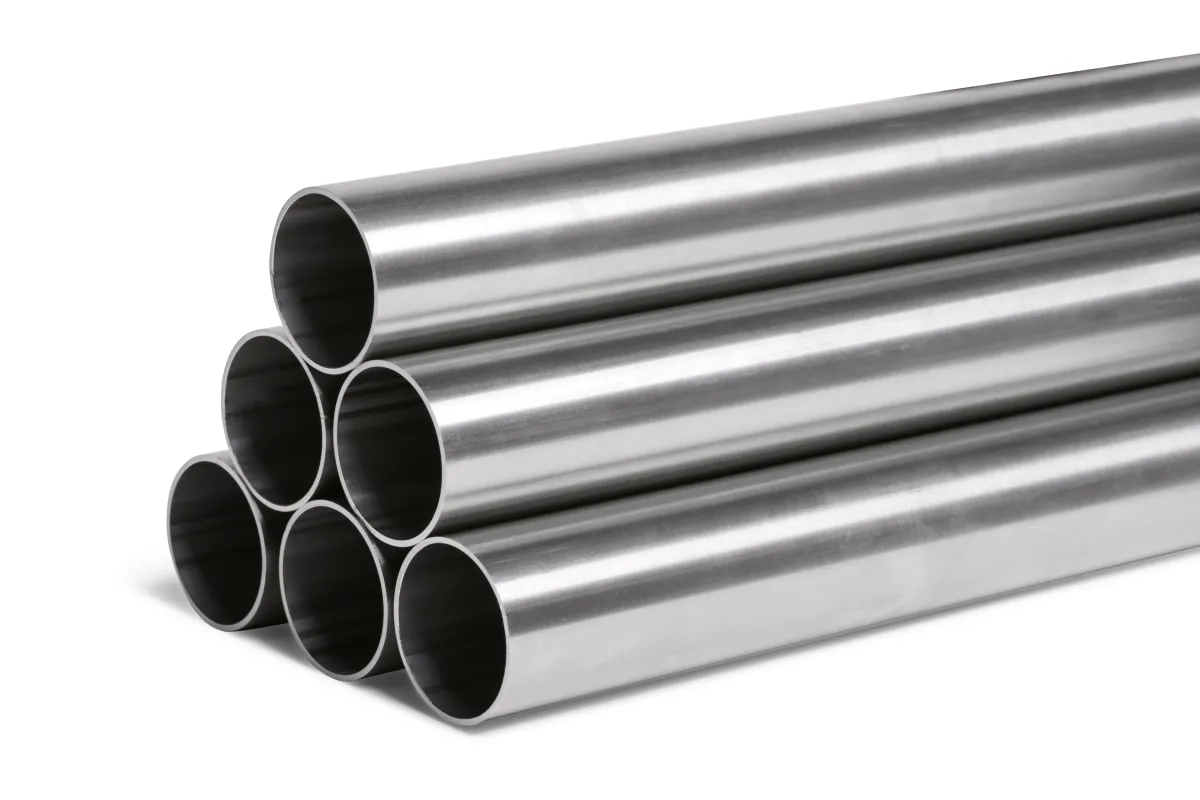 Michel Tube Engineering
›Round Tubes
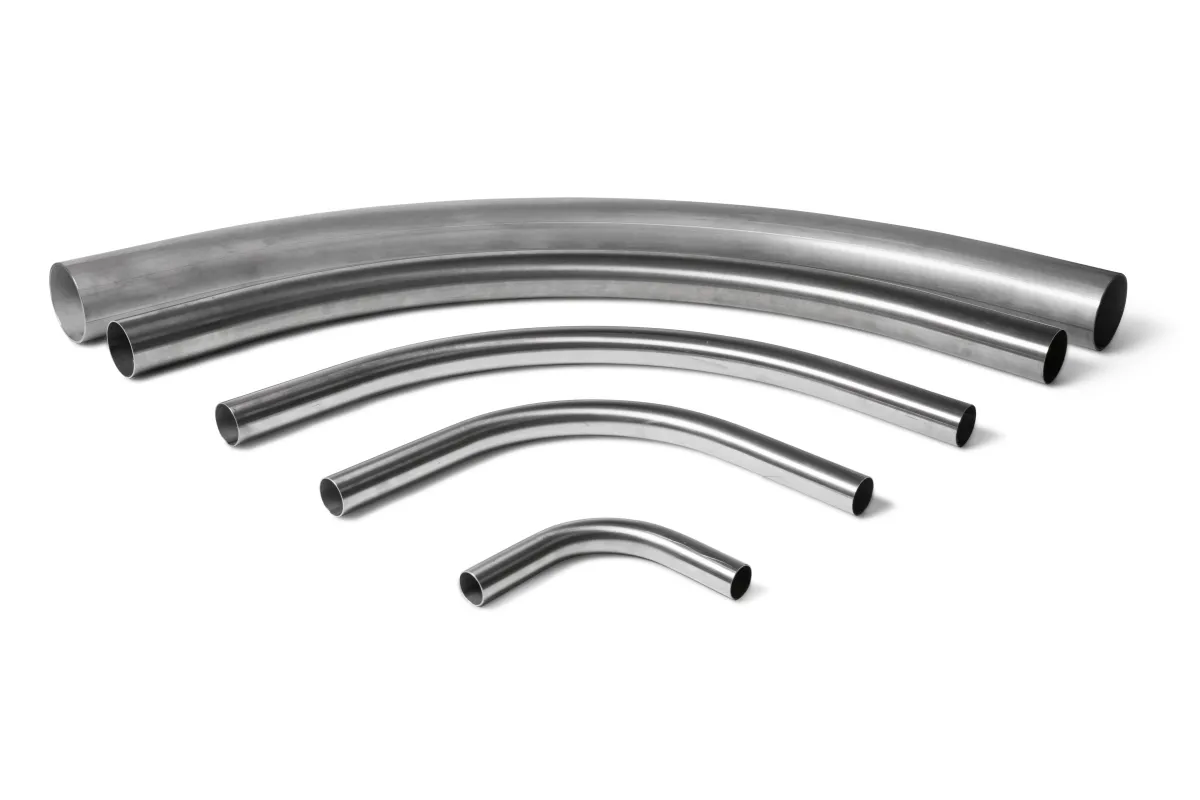 Michel Tube Engineering
›Pipe Elbows
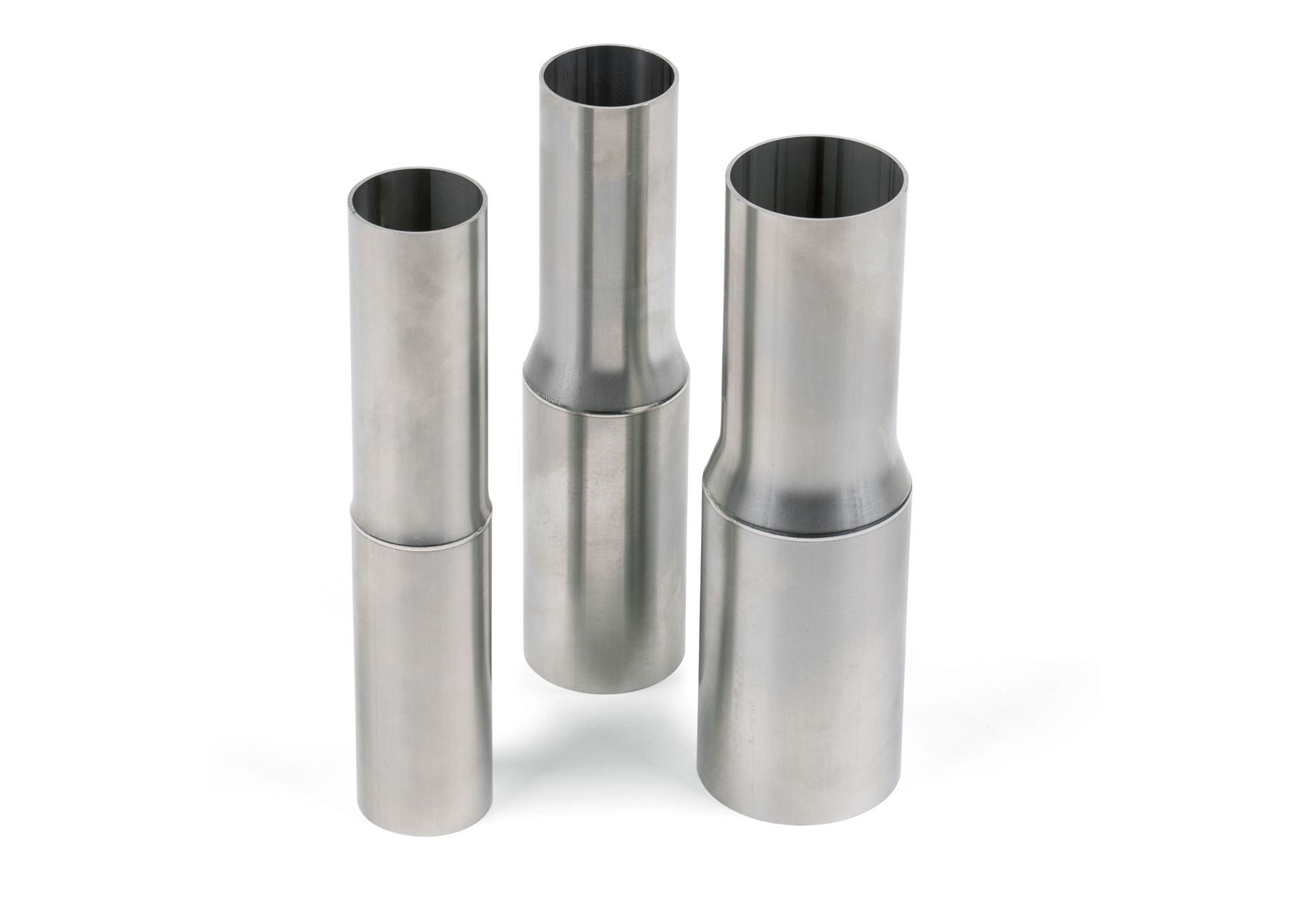 Michel Tube Engineering
›Pipe Fittings
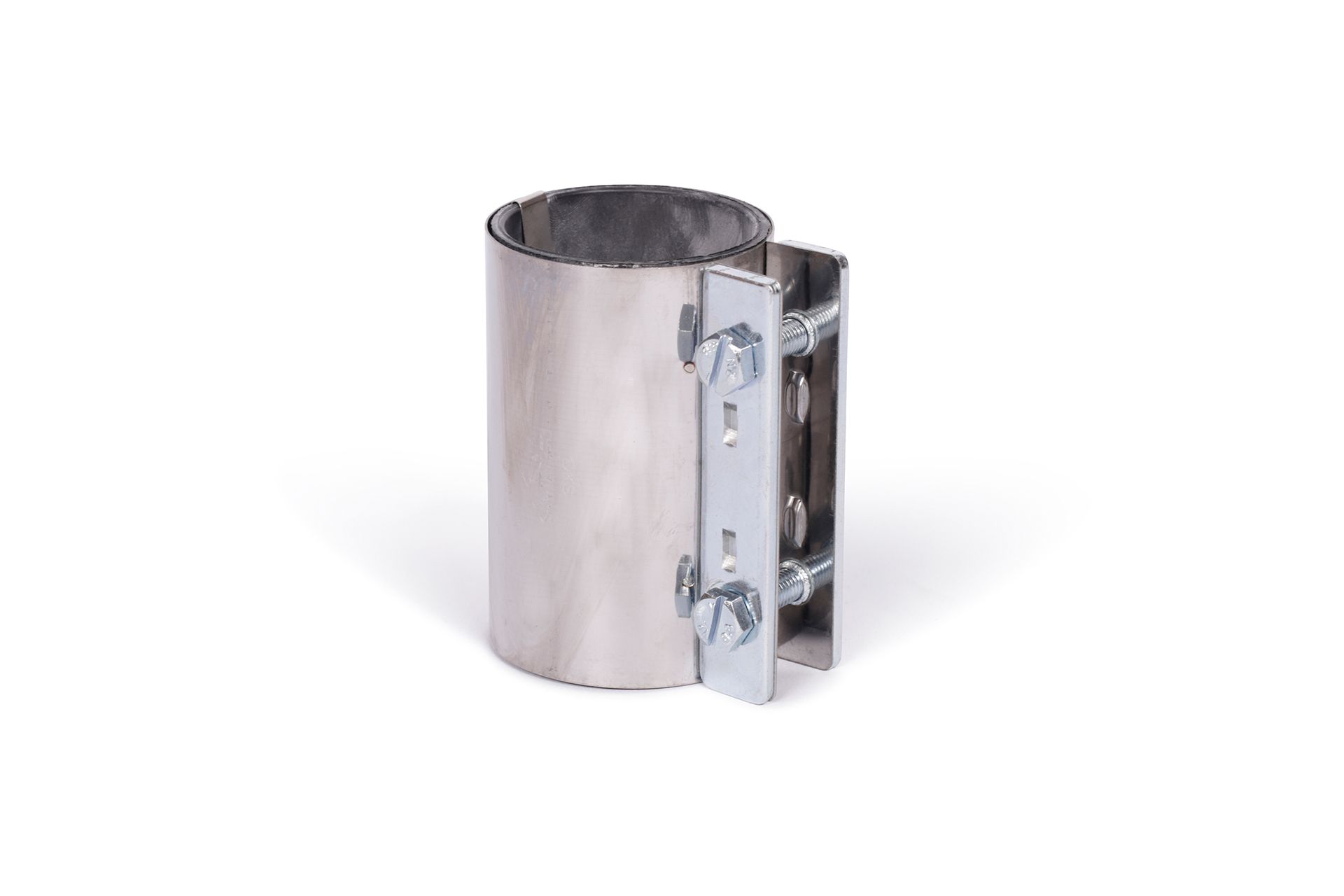 Michel Tube Engineering
›Tube Connectors
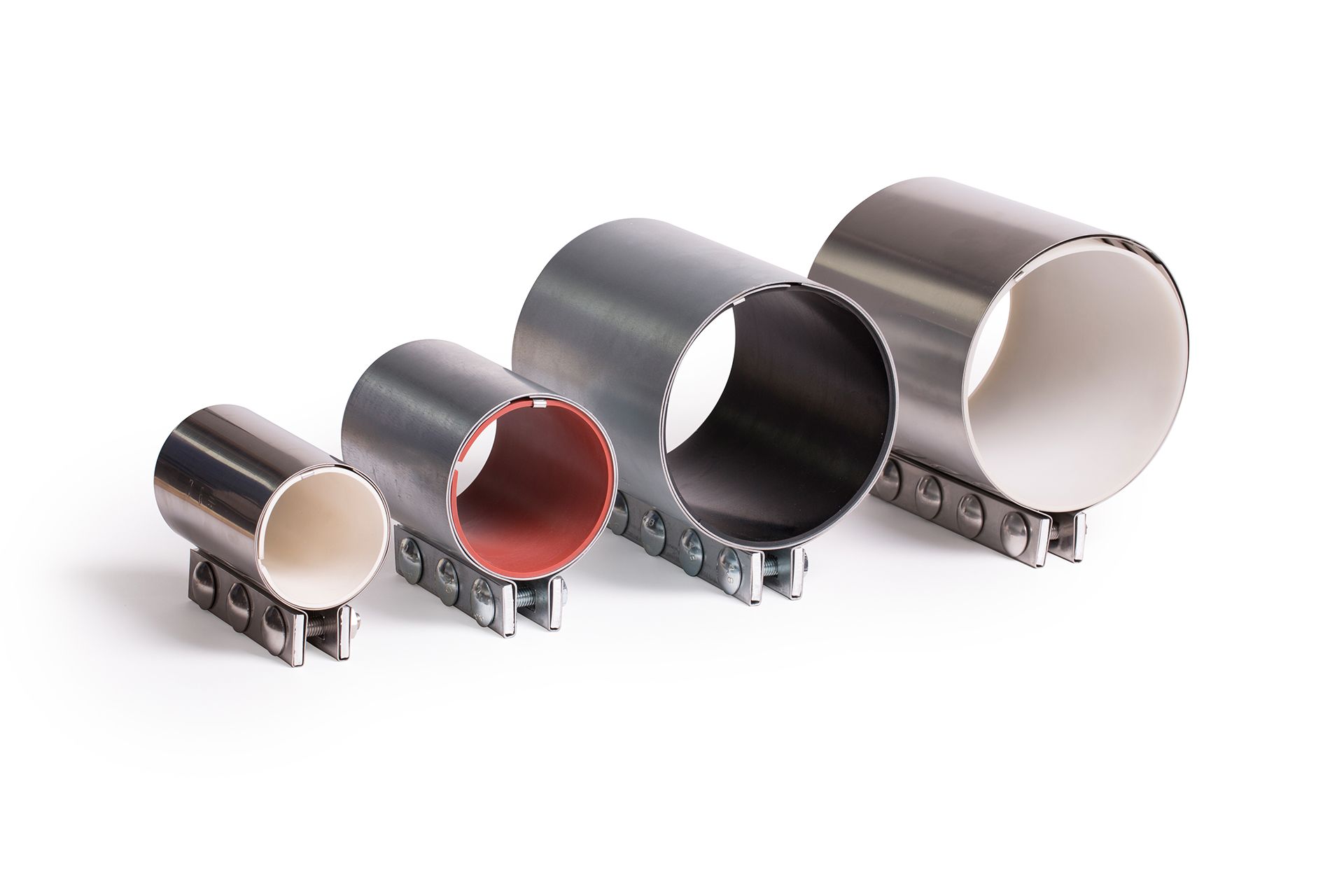 Michel Tube Engineering
›Pipe Couplings
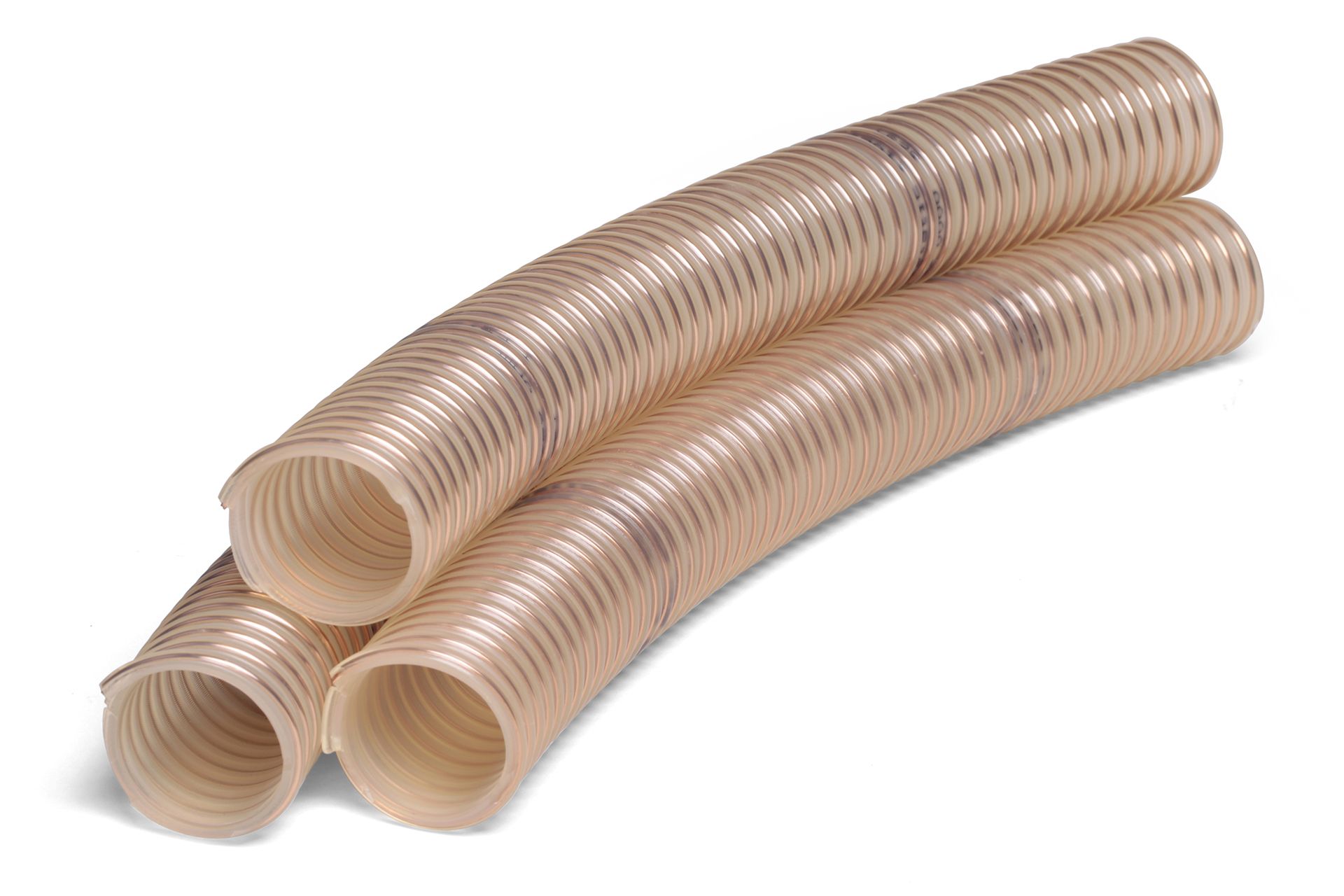 Michel Tube Engineering
›Hose Assemblies
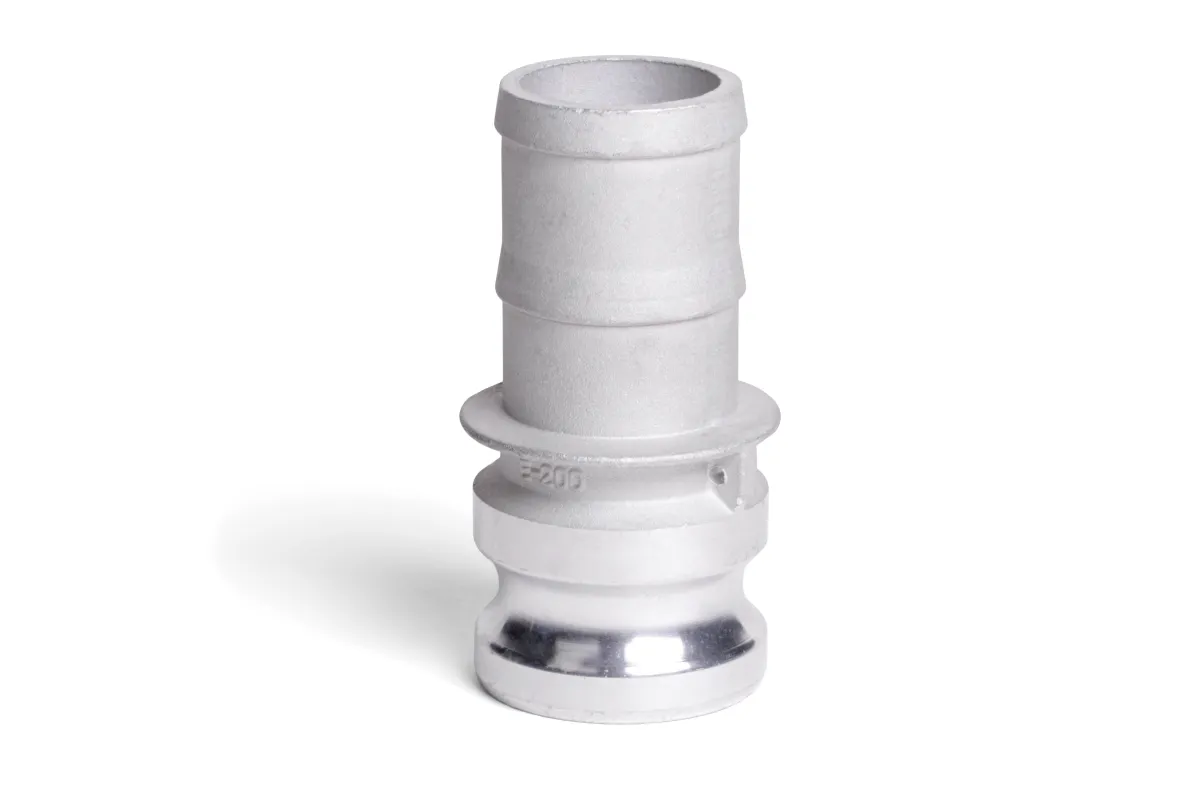 Michel Tube Engineering
›Hose Couplings
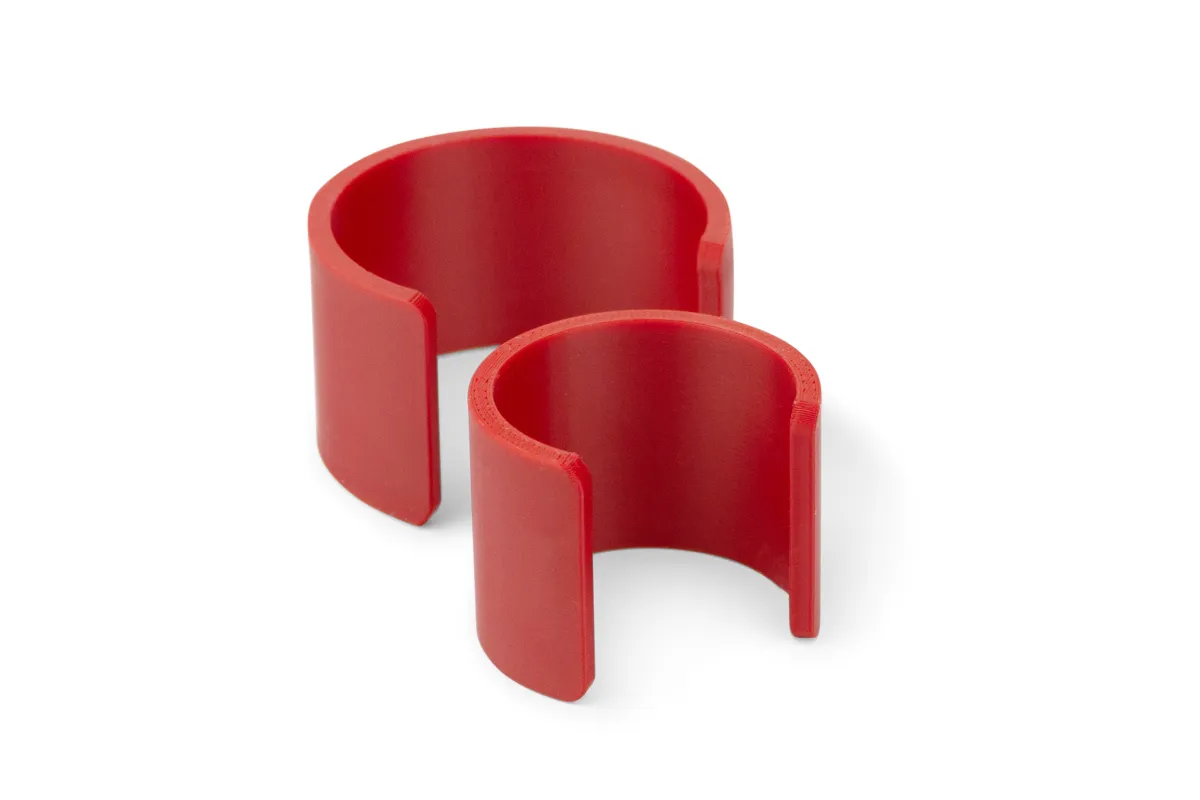 Michel Tube Engineering
›Color Coding
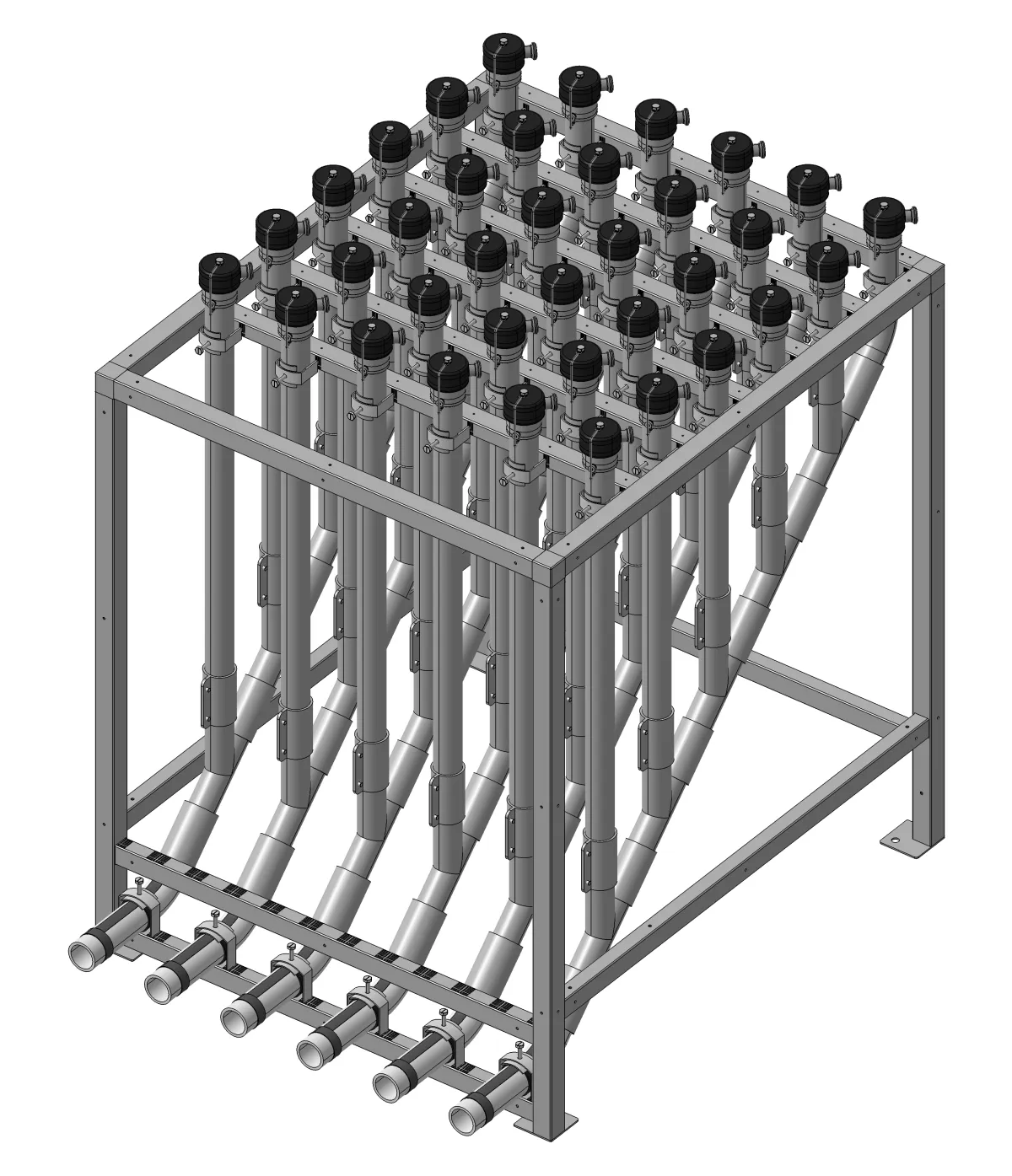 Michel Tube Engineering
›Material Distributors
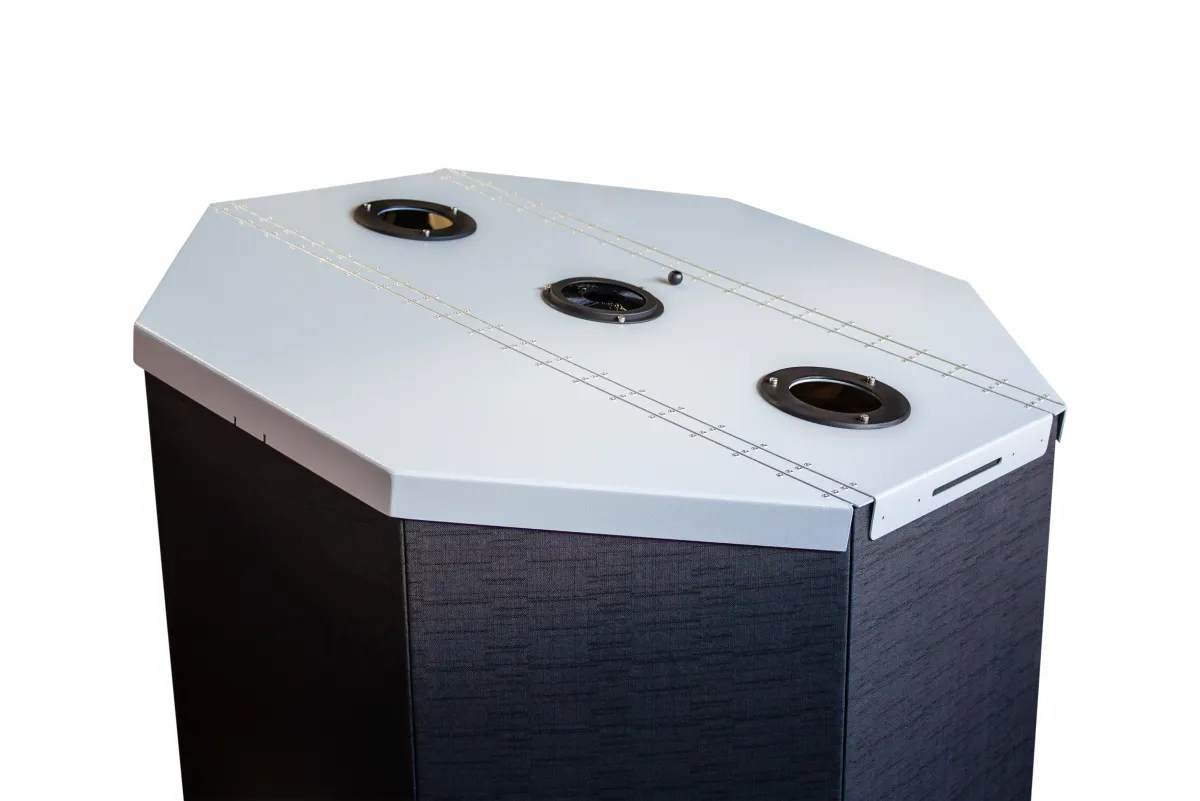 Michel Tube Engineering
›Suction Lances
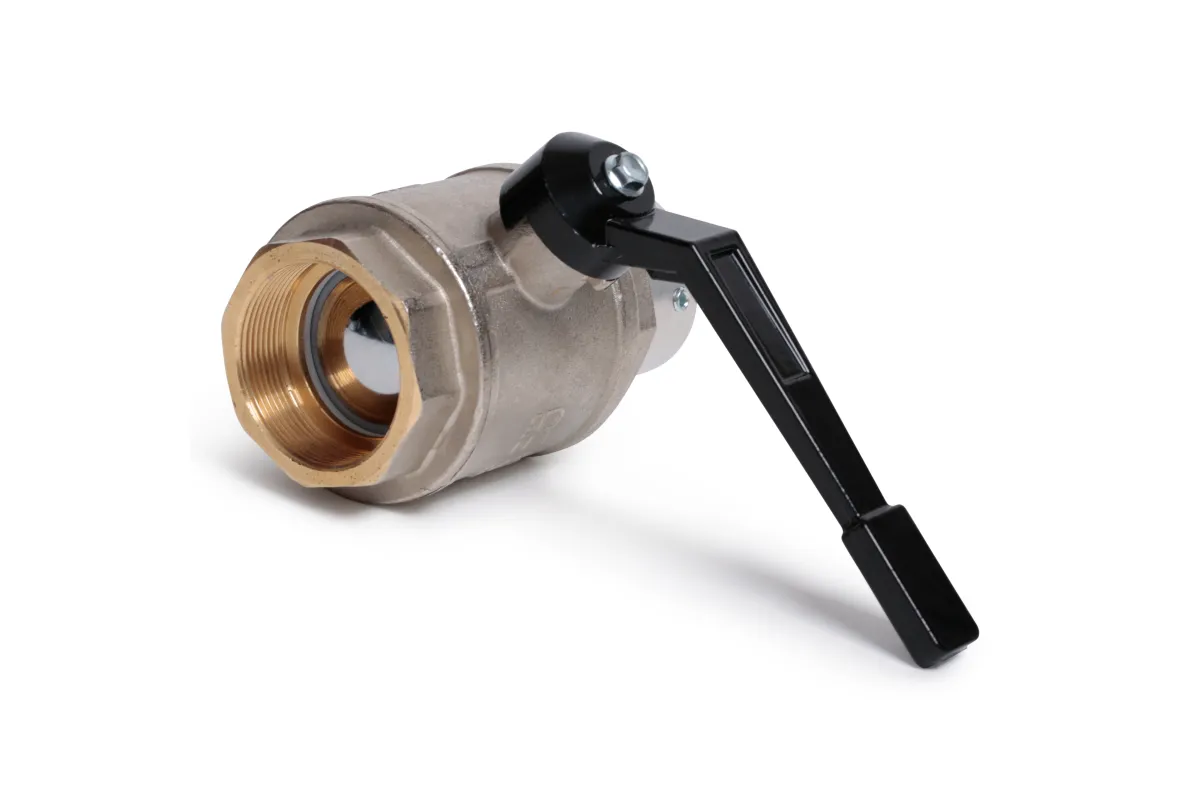 Michel Tube Engineering
›System Components
What Is a Central Material Conveying System?
A central conveying system is a closed system that takes raw material from the silo or bag area and carries it to the machines through a pipeline under vacuum. Instead of carrying bags to each machine separately, tipping them into the hopper and watching the level, the material is distributed from a single point in a controlled manner.
The system consists of three main parts: the vacuum source (pump and filter group), the conveying line (pipe, elbow, coupling) and the hopper loaders on the machines.
Why a central system?
| Central conveying | Manual feeding at the machine | |
|---|---|---|
| Labor | One operator manages the whole line | Carrying and filling for every machine |
| Contamination risk | Closed line — no dust or foreign matter enters | Open hopper, exposed to ambient dust |
| Moisture control | Feeding directly from the dryer is possible | Dried material picks up moisture while it waits |
| Downtime | Automatic level control, material never runs out | An overlooked hopper means downtime |
| Color/material change | Line cleaning is done to a plan | Separate cleaning at every machine |
| Occupational safety | Carrying heavy bags is eliminated | Continuous manual handling |
For installation steps and planning: How is a central material conveying system installed?
System components
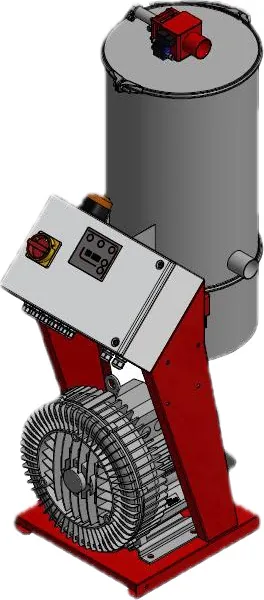
1. Vacuum source — Side channel blowers or dry-running claw pumps feed the line. The filter unit prevents material dust from reaching the pump. Capacity is selected according to line length, lift and the number of machines to be fed at the same time. → Vacuum Pumps and Filter Units
2. Hopper loaders — Mounted on the machine throat, they draw material from the vacuum line when the level drops. There are types connected to the central system (with no motor of their own) and independent types (with their own motor). → Central Hopper Loaders · MOVAC Easy Independent Loaders
3. Conveying line — Stainless steel, aluminum or wear-resistant pipes; elbows, connectors and couplings. → Round Tubes · Pipe Elbows · Pipe Couplings · Hose Assemblies
4. Material distribution — The coupling station (distribution table) determines which material goes to which machine. It can be manual or automatic. → Material Distributors · Automatic Coupling Station · Color Coding
5. Pick-up and protection — Suction lances take the material from the bag or octabin; magnetic separators stop metal particles from reaching the screw. → Suction Lances · Magnetic Separators · System Components
What to watch when the system is designed
1. Conveying distance and lift — the first factor that sets the vacuum capacity. On long lines the pressure drop must be taken into account. 2. Number of elbows — every elbow creates a pressure drop and is a wear point. With glass-fiber reinforced or hard materials, wear-resistant elbows must be used. 3. Pipe diameter — too small a diameter means blockage, too large a diameter means the conveying velocity falls. 4. Type of material — with abrasive (glass-fiber filled) materials the life of the line is shorter; velocity and elbow radius matter in order to prevent angel hair. 5. Simultaneity — how many machines will draw material at the same time determines the pump selection. 6. Dryer integration — dried material must be conveyed to the machine directly, before it picks up moisture. 7. Metal protection — placing a magnetic separator on the line protects the screw and the mold from metal damage.
Together with dosing and drying
Central conveying is rarely set up on its own; it is usually designed together with drying and gravimetric dosing: the material is taken from the silo, dried, dosed and delivered to the machine.
For a system design suited to your plant you can reach our technical support team.
What determines the price of a central material conveying system?
A central system is not a single device but a line, so the price comes out on a project basis. The decisive items:
- Number of machines to be fed and simultaneity — how many points will draw material at the same time sizes the vacuum source
- Distance and line routing — pipe length, number of elbows and change of floor level mean both material and pressure drop
- Type of raw material — glass-fiber filled and abrasive materials require wear-resistant pipe and elbows
- Loader type and quantity — hopper loaders connected to the central vacuum and independently working plastic granulate loaders are different solutions
- Distribution method — there is a clear difference between a manual coupling table and an automatic distribution station
- Protection and complements — metal separation, filter units, suction lances and color coding
A small plant can start with a single plastic loader; as the number of machines grows, moving to a central structure becomes unavoidable both in terms of labor and of contamination.
We can work out a project based on your plant layout and machine count and give you a current price quotation: contact.
Frequently asked questions
What is the difference between a hopper loader and a central system? An independent hopper loader feeds a single machine with its own motor. In a central system the vacuum is produced at one single source and distributed to all machines over the line; no separate motor is needed at each machine, and noise and maintenance points are reduced.
After how many machines does it make sense to move to a central system? There is no exact number, but as the number of machines using the same raw material grows and the workload of manual handling becomes apparent, the central structure comes to the fore. The installation steps are in the article on central conveying system installation.
Why is a glass-fiber filled material line assessed separately? Glass fiber wears the pipe, and especially the elbows, from the inside. A standard elbow can be worn through within a few months with this material; wear-resistant pipe and elbows are used for that reason.
Is metal protection necessary on the line? It is. A metal particle mixed into the raw material damages the screw and the mold; having a magnetic separator at the machine inlet is standard practice. The detail is in the metal separation guide.
The complete MOVAC range of vacuum sources, loaders and filters is on the MOVAC brand page.