Quick Mold Change, Magnetic and Hydraulic Systems Products(16)
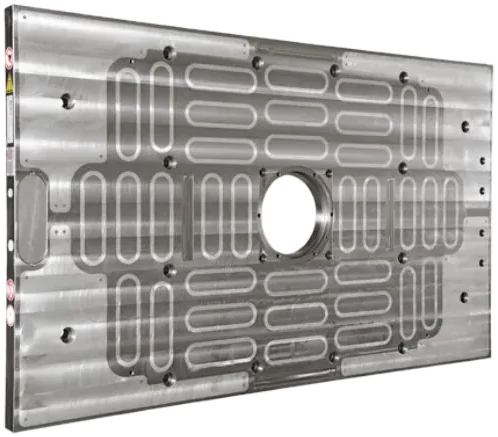 EAS Europe B.V.
›Pressmag LP Magnetic Clamping
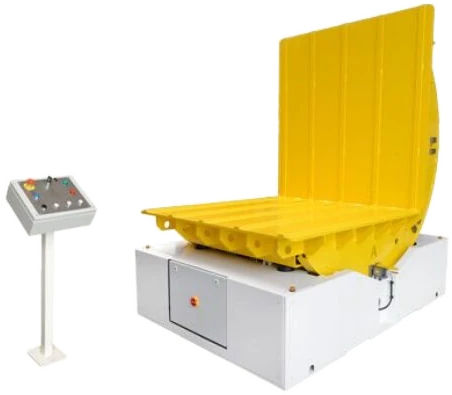 EAS Europe B.V.
›Mold Tilting and Maintenance Equipment
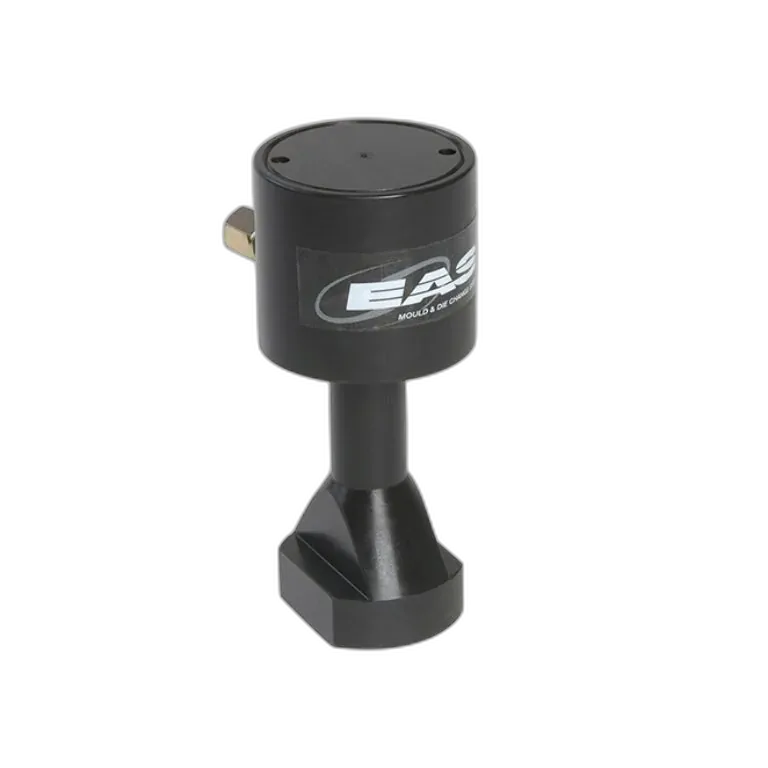 EAS Europe B.V.
›ECA Pull Clamp Cylinders
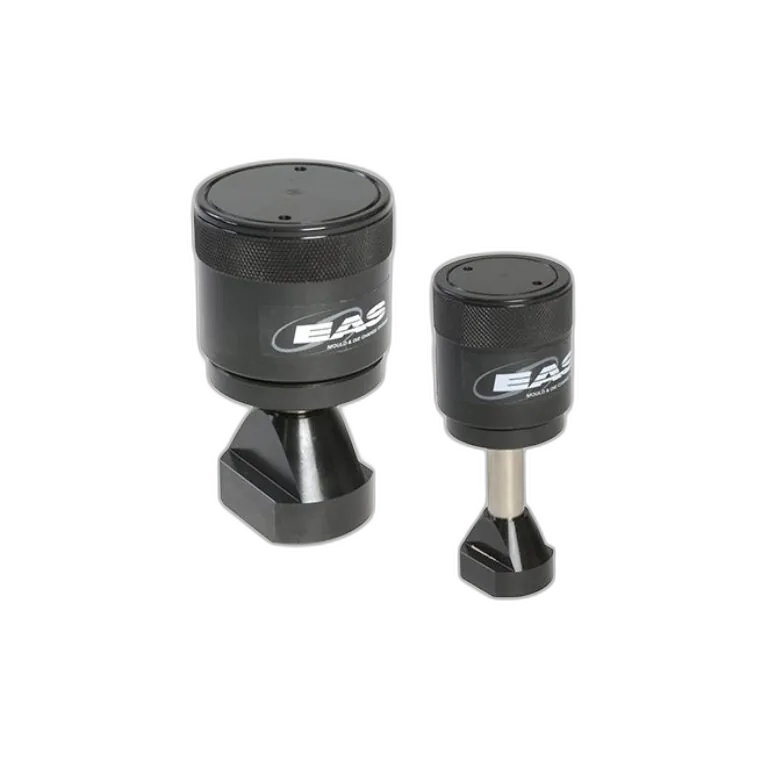 EAS Europe B.V.
›MHC Pull Clamp Cylinders
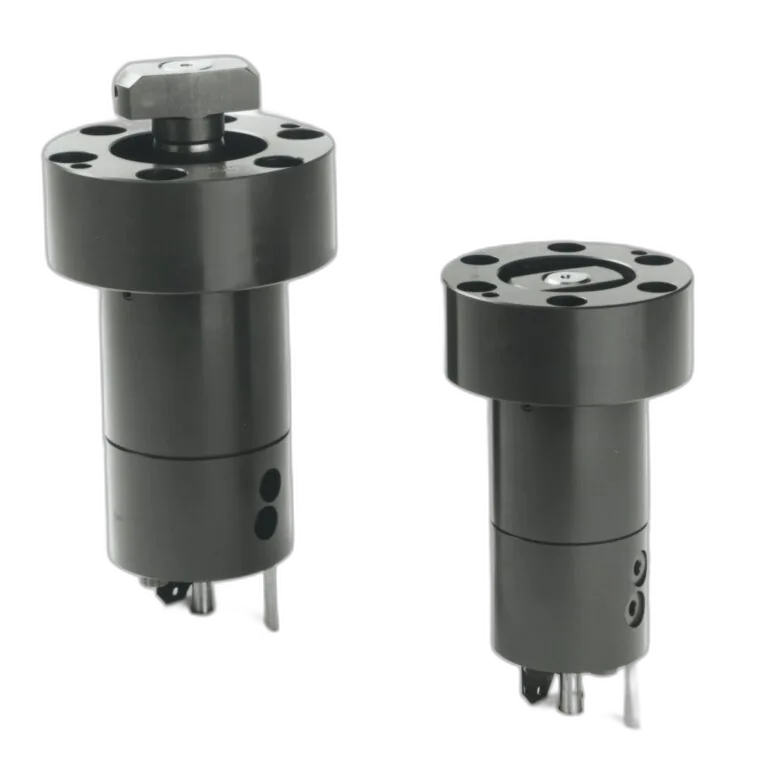 EAS Europe B.V.
›MTR 3-Position Swing Cylinders
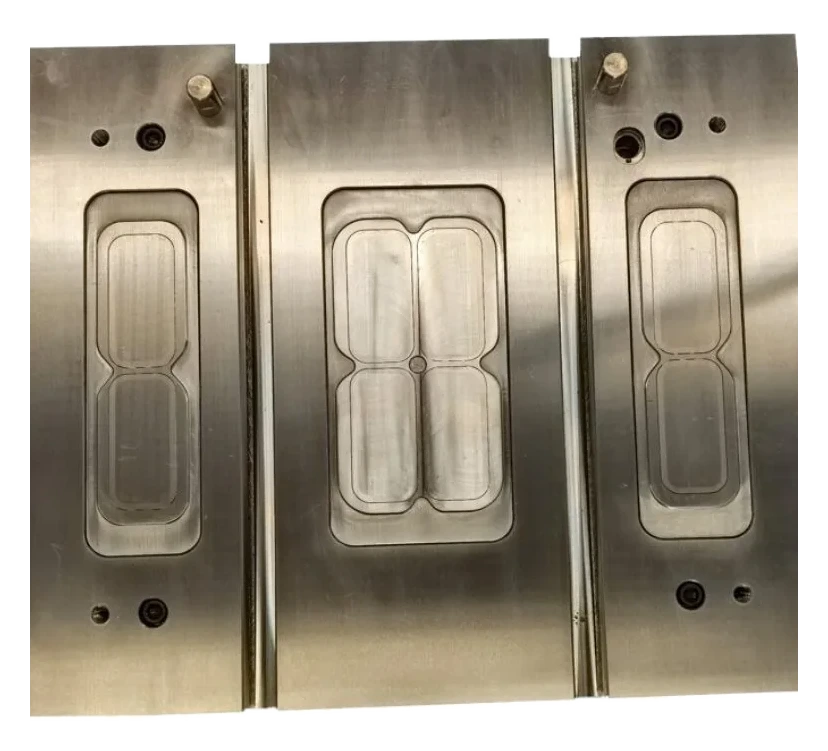 EAS Europe B.V.
›Pressmag FP Magnetic Clamping
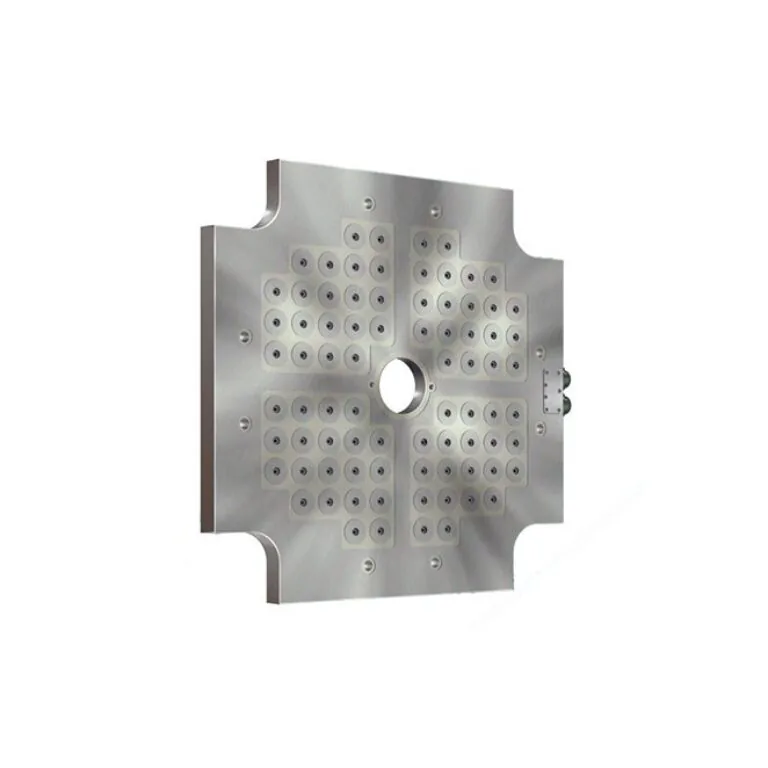 EAS Europe B.V.
›Pressmag SP Magnetic Clamping
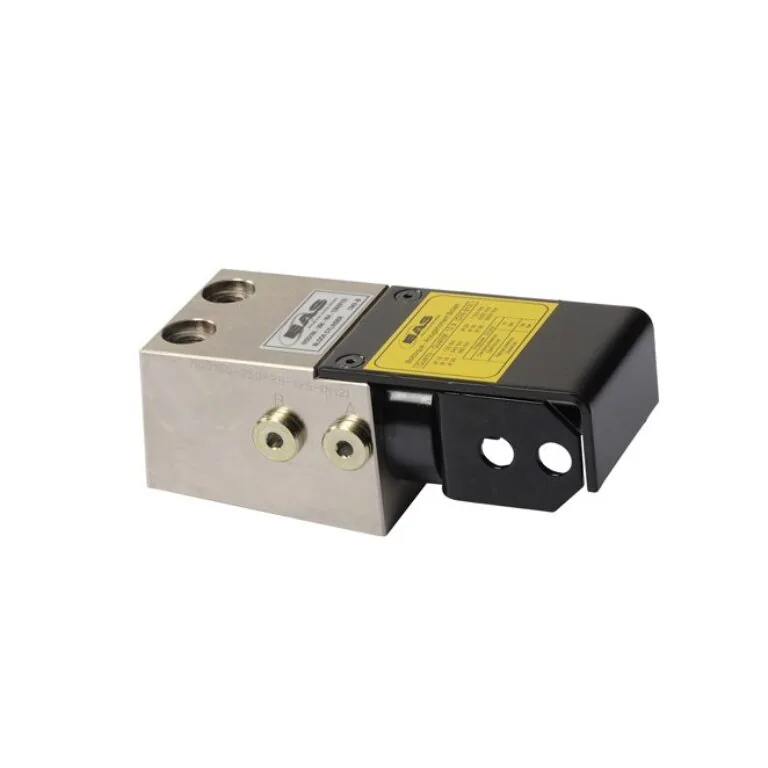 EAS Europe B.V.
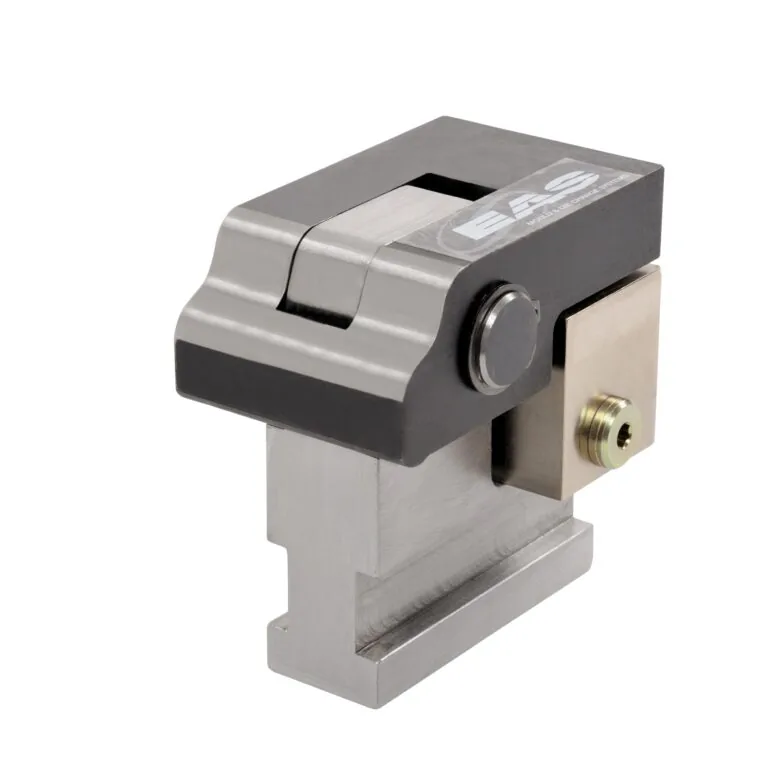
›MOD / WOD Wedge Clamp
 EAS Europe B.V.
›ELY Rocker Clamp
 EAS Europe B.V.
›Transport and Storage Solutions
Quick Mold Clamping Systems
Mold change is one of the largest items of downtime in injection molding production. With classic bolted clamping the operator removes and refits dozens of bolts by hand for every mold; this both takes a long time and carries a safety risk because of the inconsistency of the tightening torque.
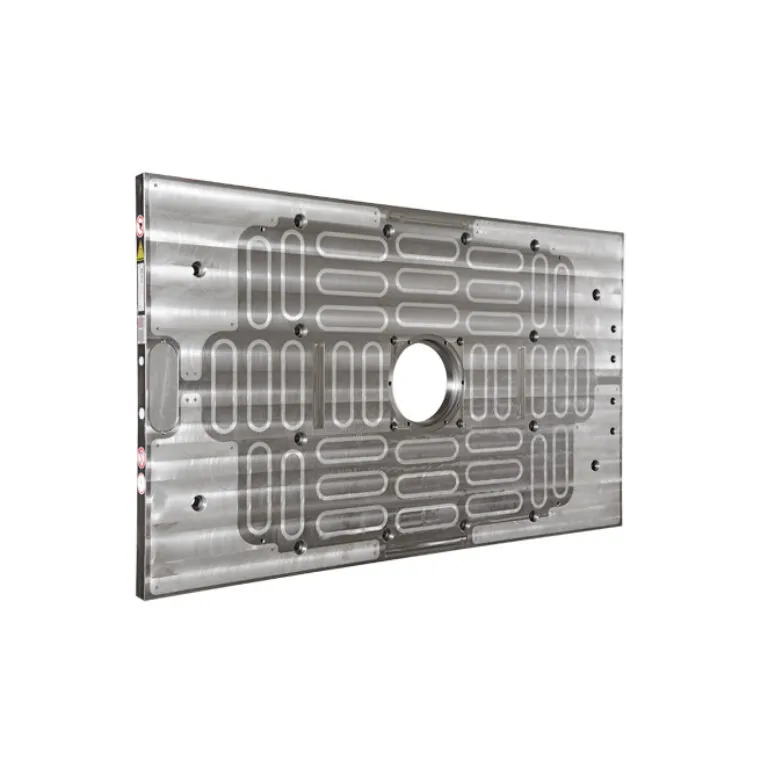
Quick mold clamping systems bring this job down to seconds: on magnetic platens the whole surface is gripped at the touch of a button, and with hydraulic clamps the mold is clamped from a central control.
Magnetic or hydraulic?
| Magnetic platen | Hydraulic clamp | |
|---|---|---|
| Clamping point | The whole surface — the force is distributed uniformly | Specific points |
| Mold preparation | A flat back plate is enough | A clamping edge or a hole is required |
| Change time | The shortest — one button | Short |
| Different mold sizes | Unlimited, anywhere on the platen | The clamp position has to be adjusted |
| Investment | Higher | Lower, can be extended in stages |
| Adding to an existing machine | Platen mounting is required | Easy retrofit |
In a magnetic system the force is spread over the whole surface, so no bending occurs in the mold plate and impression marks are reduced. Hydraulic systems, on the other hand, can be added to existing machines in stages with a lower investment.
Product family
Magnetic clamping — Pressmag
- Pressmag FP — waterproof (IP68), washed and damp environments
- Pressmag LP — long oval pole, replaceable pole, high capacity machines
- Pressmag SP — thin platen, small pole, up to 150 °C
Hydraulic clamping
- MOD / WOD Wedge Clamp — 1.5 – 120 tons, self-locking, EUROMAP
- ECA Pull Clamp Cylinders — single-acting QDC, compact
- MHC Pull Clamp Cylinders — 40 – 250 kN, also suitable for surfaces that are not flat
- MTR 3-Position Swing Cylinders — the arm hides under the platen
- ELY Rocker Clamp — narrow clamping edges, 200 °C
When selecting a system
1. Mold weight and size range — your largest and your smallest mold are the determining factors 2. Variety of molds — if there are molds in many different sizes, a magnetic platen is advantageous 3. Change frequency — if you change molds several times a day, the payback is very fast 4. Mold back plate — with magnetic systems it has to be flat and of sufficient thickness 5. Ambient conditions — if there is water, moisture or high temperature, a suitable model has to be selected 6. Adding to an existing machine — hydraulic solutions are better suited to retrofit 7. Safety — clamping force monitoring, position feedback by sensor and a safety interface with the machine should be sought
On this subject: Magnetic platen or hydraulic clamp?
For a system suited to your plant you can reach our technical support team.
What determines the price of magnetic platens and hydraulic mold clamping?
In quick mold clamping systems the price changes according to the method chosen and the machine size:
- Platen size and machine tonnage — magnetic platens are manufactured to the platen size of the machine; cost increases as the area grows
- Method — a magnetic platen holds over the whole surface, a hydraulic clamp from specific points; the investment and the mold preparation requirements are different
- Pole type and temperature class — models working up to 150 °C require different materials
- Control unit — force monitoring, touch screen and safety interface to the machine
- Number and force of clamps — in hydraulic solutions the number of clamps required per mold is reflected directly in the price
- Retrofit or new machine — adapting to an existing machine may require extra work in terms of the hydraulic line and the platen hole pattern
What this investment buys is downtime. While a mold change with bolted clamping can take hours, quick clamping brings it down to minutes; in plants with small batches and frequent mold changes the payback period is short. To see the cost of a lost production hour with your own figures you can look at the machine hourly rate calculation.
If you share your machine tonnage, your platen size and how many different molds you work with, we can clarify together whether magnetic or hydraulic is required: contact.
Frequently asked questions
Magnetic mold clamping or hydraulic mold clamping? If the variety of molds is large and the mold back plates are not standard, a magnetic platen is advantageous: it requires no mold-specific preparation and holds over the whole surface. If the number of molds is limited and they are standard, a hydraulic clamp can be a more economical solution. The detailed comparison is in the mold change time article.
Does a magnetic platen release the mold if the power is cut? It does not. Electro-permanent systems establish the magnetization once with electricity; continuous energy is not needed to maintain the force. Energy is used only at the moment of clamping and releasing.
Can a magnetic platen be used when working with a hot mold? It can; the temperature class changes with the model and there are series working up to 150 °C. When making the selection, the temperature of the mold surface in contact with the platen is taken as the basis.
Can it be fitted to an existing machine afterwards? It can. The determining factors are the platen size of the machine, the existing hole pattern and the hydraulic infrastructure; retrofit is a common application.
The complete EAS range — clamping, handling and maintenance solutions — is on the EAS brand page.