Pipe Couplings Products(3)
Pipe Couplings
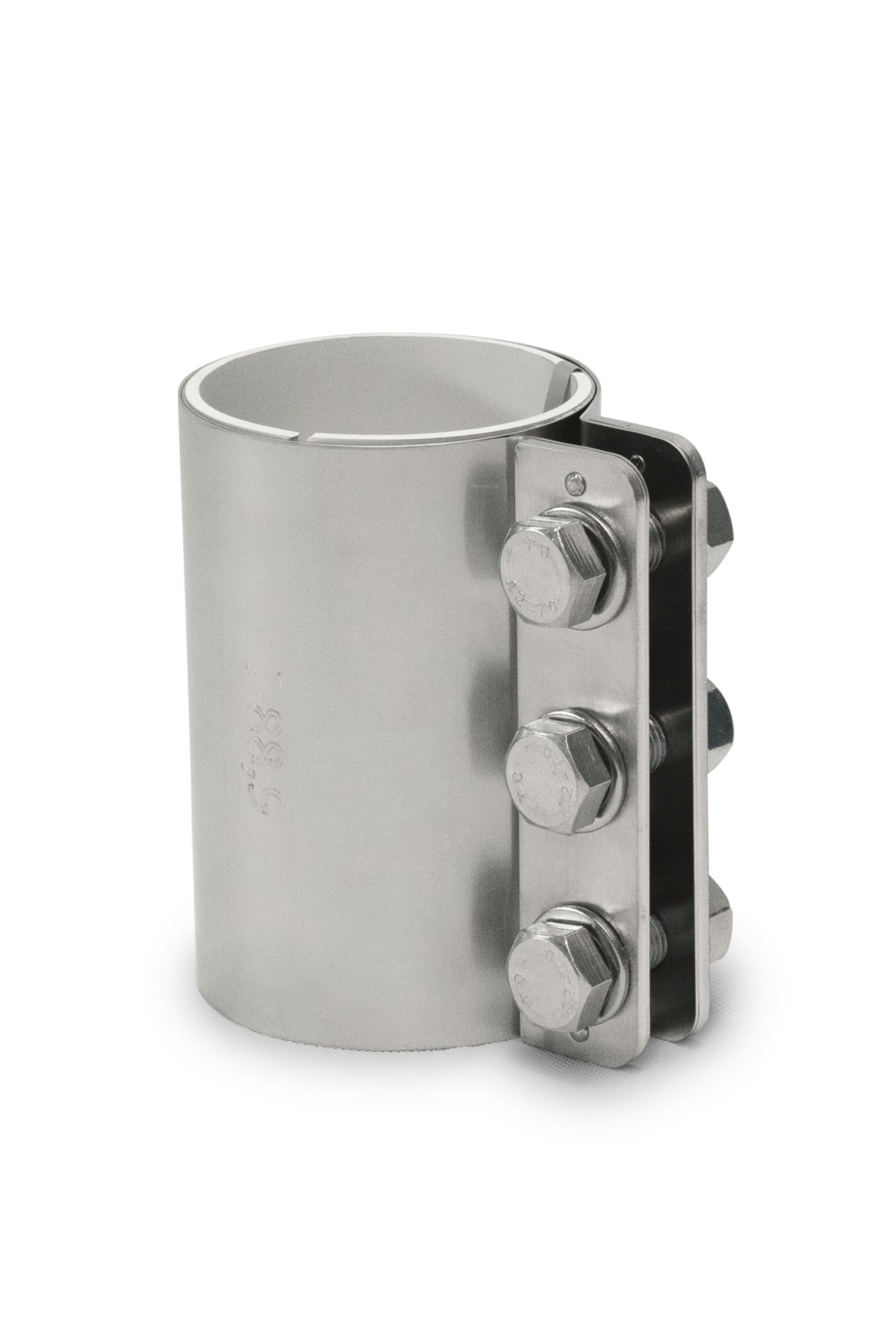
Couplings are the joints of a pipeline that can be taken apart and put back together. For cleaning, maintenance and changes to the line, the line has to be separable at certain points.
Types
| Type | Use |
|---|---|
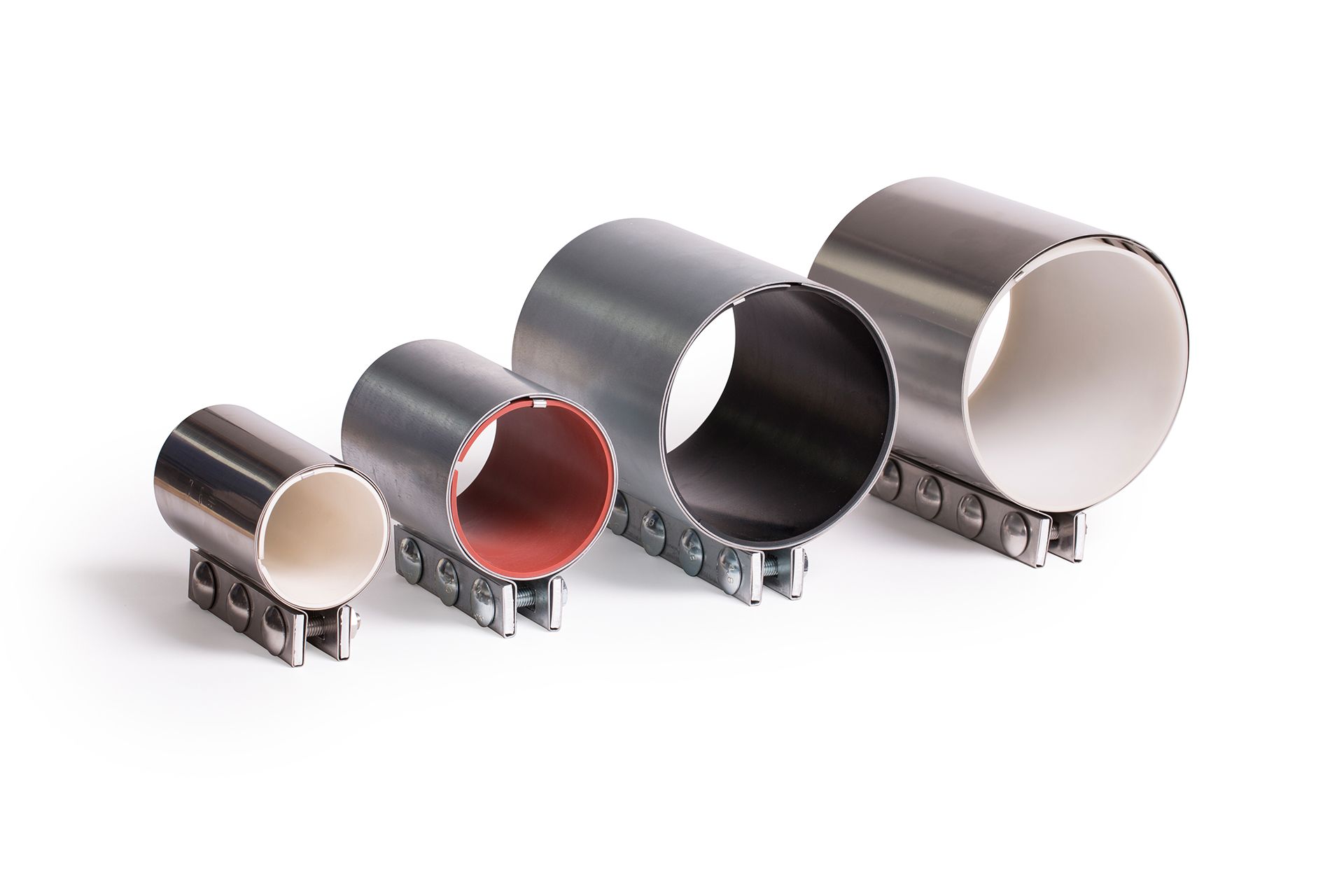
| Galvanized Steel | Pressure lines and silo connections — economical and durable |
| Stainless Steel | Food and medical production, environments with a risk of corrosion |
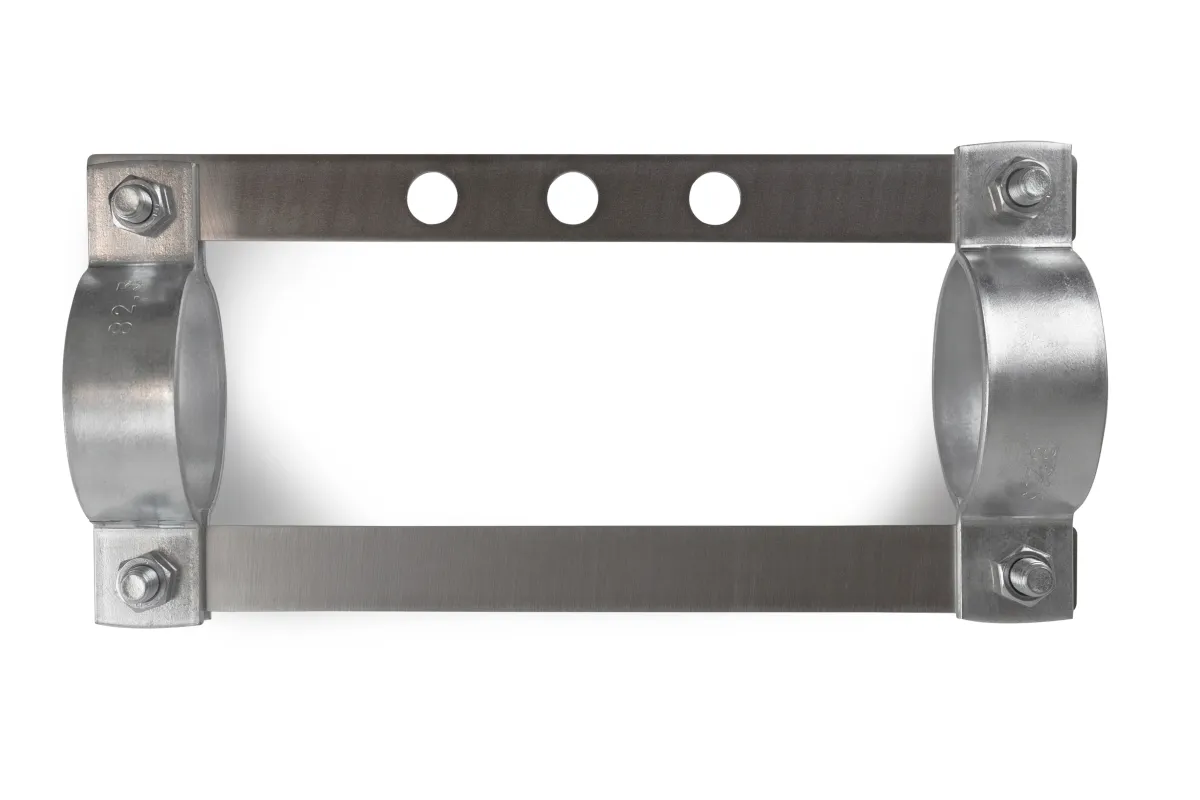
| Tension Relief (Zugentlastung) | Takes up the tensile force in the hose and pipeline |
What does tension relief do?
Hose lines apply a constant tensile force to the connection point through their own weight, movement and vibration. If that force bears directly on the coupling, leakage and eventually a break occur over time. Tension relief takes the load off the connection and transfers it to the structure — the connection then performs only its sealing duty.
Related: Hose Couplings · Pipe Connectors · The system as a whole: the central material conveying line
The distinction between coupling and connector
These two terms are often confused. Connectors are used on the vacuum side, on fixed lines that are not taken apart often. Couplings, on the other hand, serve on pressure lines and silo connections, under a higher mechanical load. The wrong choice results in the line separating at a certain point over time.
Galvanized or stainless?
| Environment | Suitable coupling |
|---|---|
| Indoors, dry environment | Galvanized |
| Outdoors, silo, roof penetration | Stainless |
| Food production | Stainless + a food-grade white seal |
Galvanized coating deteriorates after long exposure to moisture and rain; stainless steel stays as it was on the first day under those conditions.
Tensile load is a separate matter
Couplings have only a sealing function. For the weight of the pipe, pressure surges and thermal movement, a separate tension relief element is needed. When this distinction is overlooked the coupling slides slowly and the connection opens months later — it is the most frequent structural mistake in line installation.
Maintenance
Connection points should be added to the periodic checklist. What to look at during the check: the condition of the seal, the tightness of the coupling, and whether there are signs of slippage on the tube ends.
Checks before installation
When choosing a coupling, the outside diameter and the wall thickness of the tube must be verified; tubes with the same nominal diameter may be produced in different wall thicknesses. The seal type is determined by the material being conveyed and by the temperature. Adding the connection points to the periodic checklist prevents the capacity losses caused by false air.