Magnetic Separators Products(3)
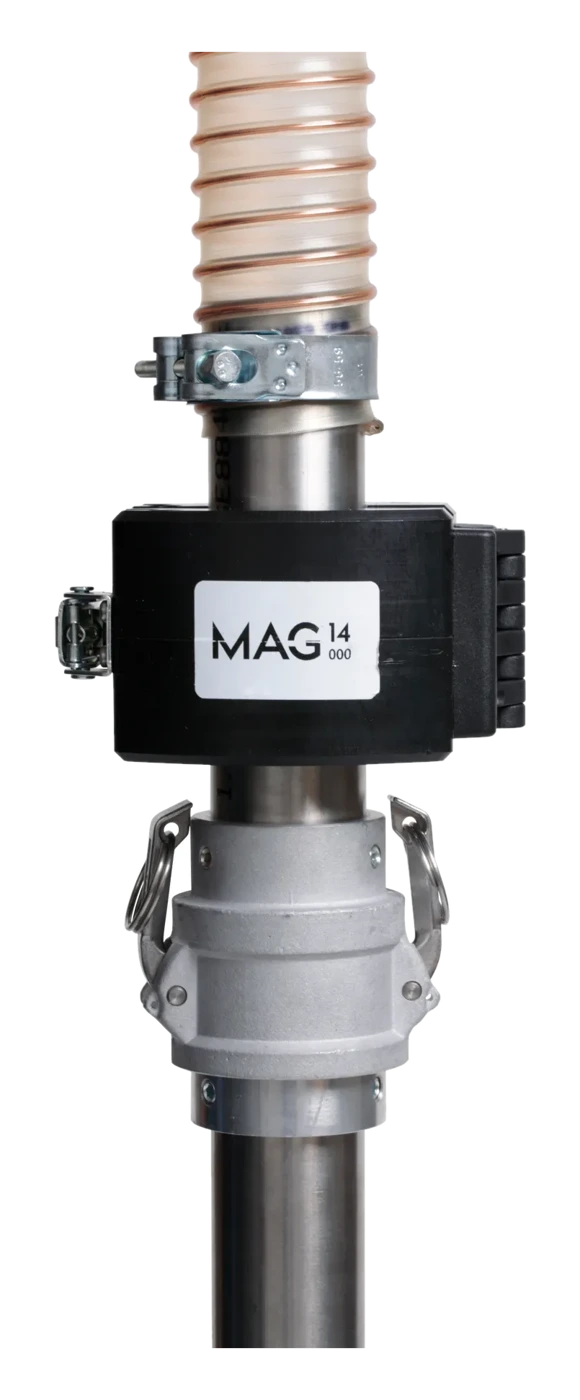
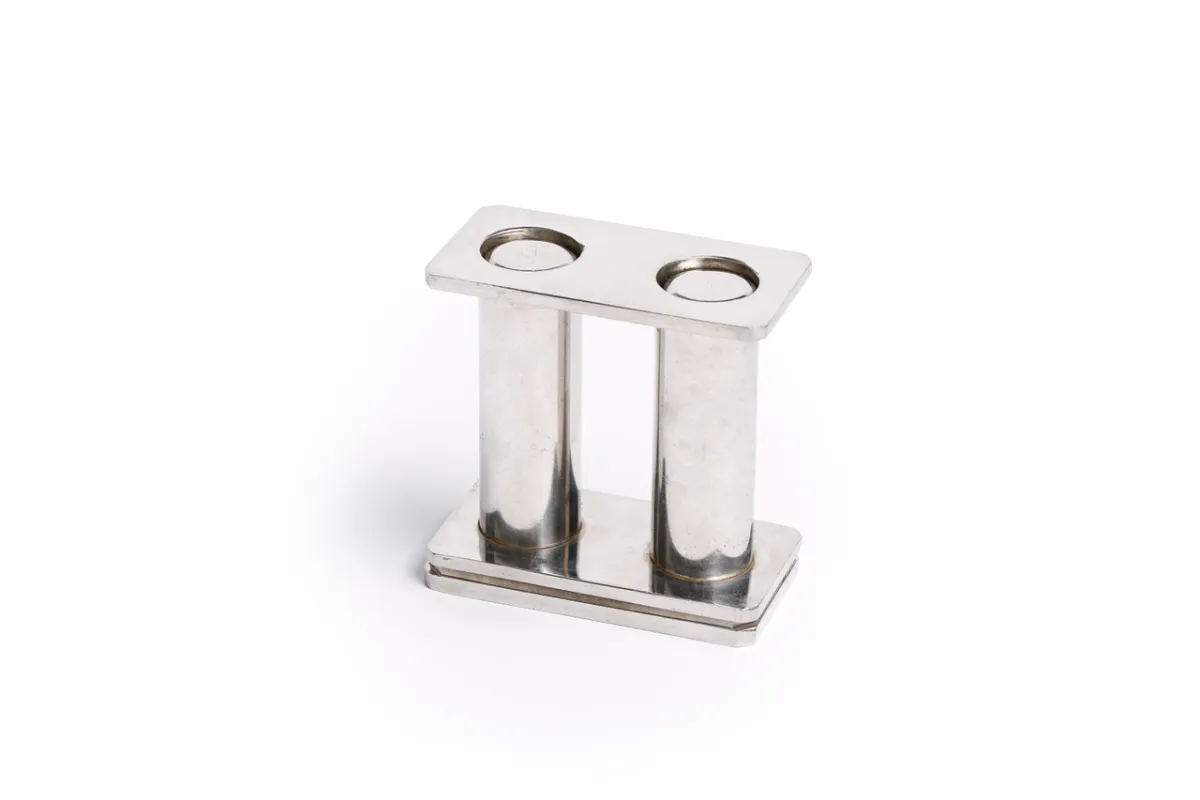
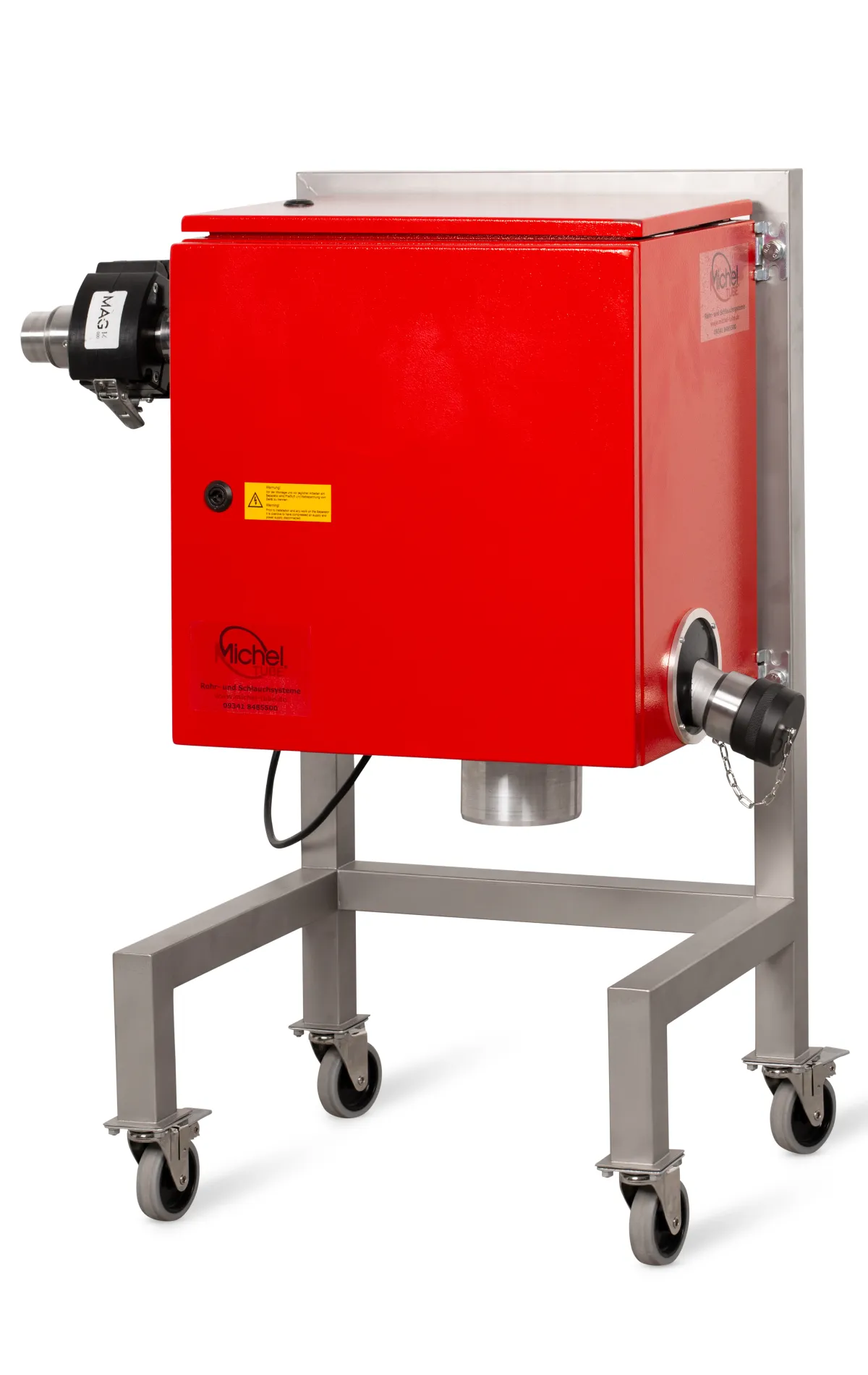
Magnetic Separators
Metal particles mixed into the raw material do serious damage when they reach the screw and the mold: scoring on the screw and barrel, a blocked nozzle, a dent on the mold face. A magnetic separator captures these particles on the line.
Products
| Product | Use |
|---|---|
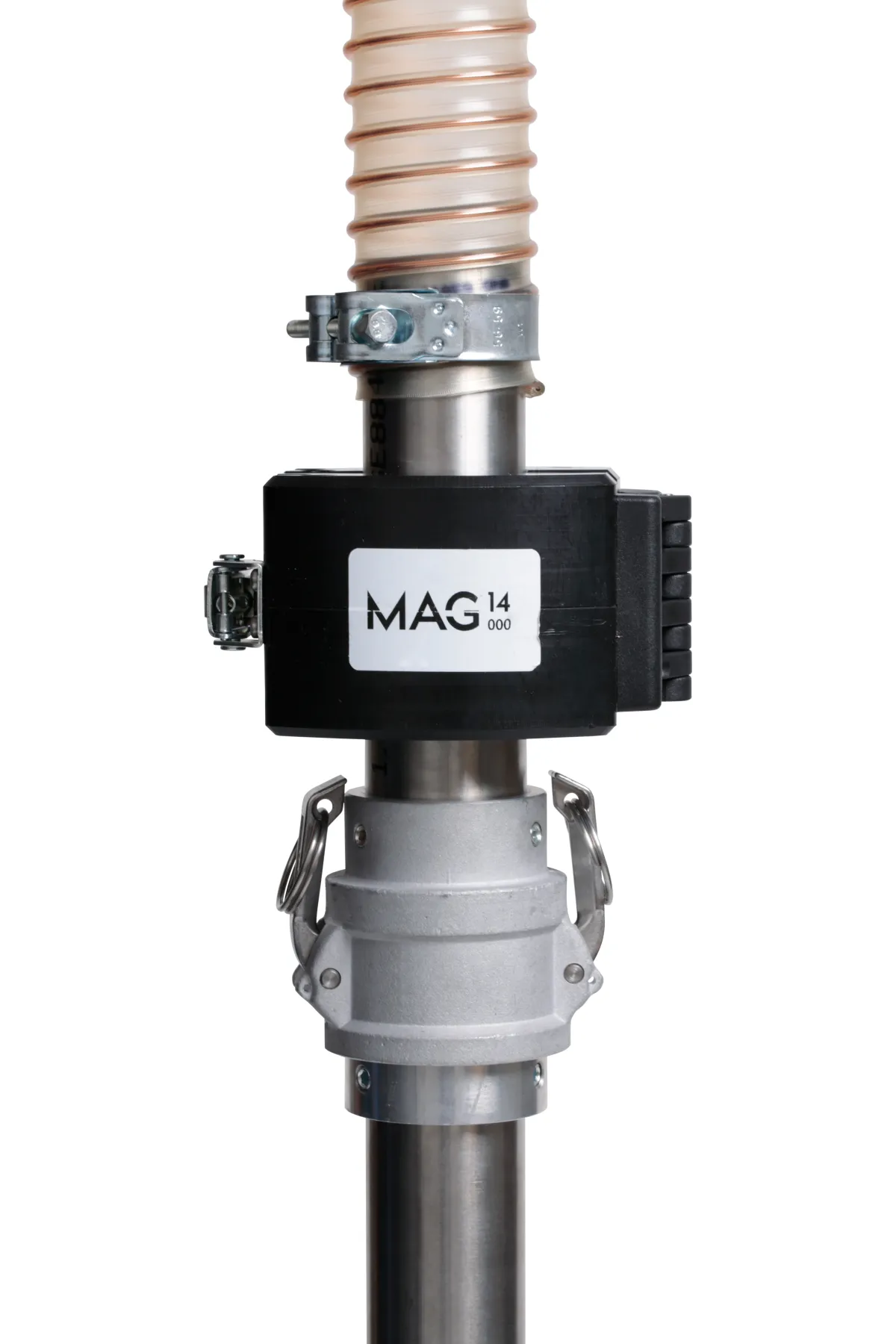
| MAG 14000 Folding Magnet | Fitted onto the pipeline, 16 different diameter ranges |
| Grate Bar Magnet | A bar grate placed inside a hopper or funnel; Easy-Clean cleaning |
| All-Metal Separator | Detects non-magnetic metals too (aluminum, stainless), with cyclone discharge |
The difference between magnetic and all-metal
A magnetic separator holds only ferrous (ferromagnetic) particles — a piece of blade from the granulating line, a bolt, a wire. It is economical and needs no power.
An all-metal separator, on the other hand, also detects non-magnetic metals such as aluminum, stainless steel and copper; when it detects one it temporarily diverts the line and ejects the piece. It is necessary in production using recycled material and requiring a high level of safety.
Cleaning is critical: as the captured particles accumulate on the magnet, its holding capacity falls. The Easy-Clean construction of grate bar magnets speeds up that maintenance.
Related: Mensink Metal Separation Systems · The system as a whole: material conveying systems
Two different devices, two different jobs
| Device | What it catches | What it does not catch |
|---|---|---|
| Magnetic separator (MAG 14,000, grate bar) | Iron, steel, cast iron | Aluminum, brass, copper, most stainless steels |
| [All-metal separator](/en/products/michel-tube-all-metal-separator) | All conductive metals | — |
This distinction is critical in practice: granulator blades, screen wire and pipe fragments are usually stainless, and a magnetic separator does not see them at all.
A correct installation includes both
The magnetic separator holds the great majority of ferrous particles cheaply and without maintenance. The all-metal separator then captures the conductive particles that remain. Without magnetic protection an all-metal separator alarms constantly and throws material away unnecessarily; the economical approach is to use the two in sequence.
Why Easy-Clean matters
Metal accumulating on a magnet prevents it, after a while, from holding new arrivals. A magnet that is full is no different from a magnet that is not there. Easy-Clean constructions move the bars inside a sleeve and leave the accumulated metal away from the magnet; cleaning is both faster and the risk of the collected particles falling back into the flow disappears.
Maintenance discipline
The cleaning frequency should be determined by how contaminated the raw material is and tied to the shift routine. The strength of magnets can also decrease over the years; a periodic strength measurement is the only way to notice a separator that has quietly weakened.
Where the metal enters the line from is explained in the metal separation guide.