Hose Couplings Products(3)
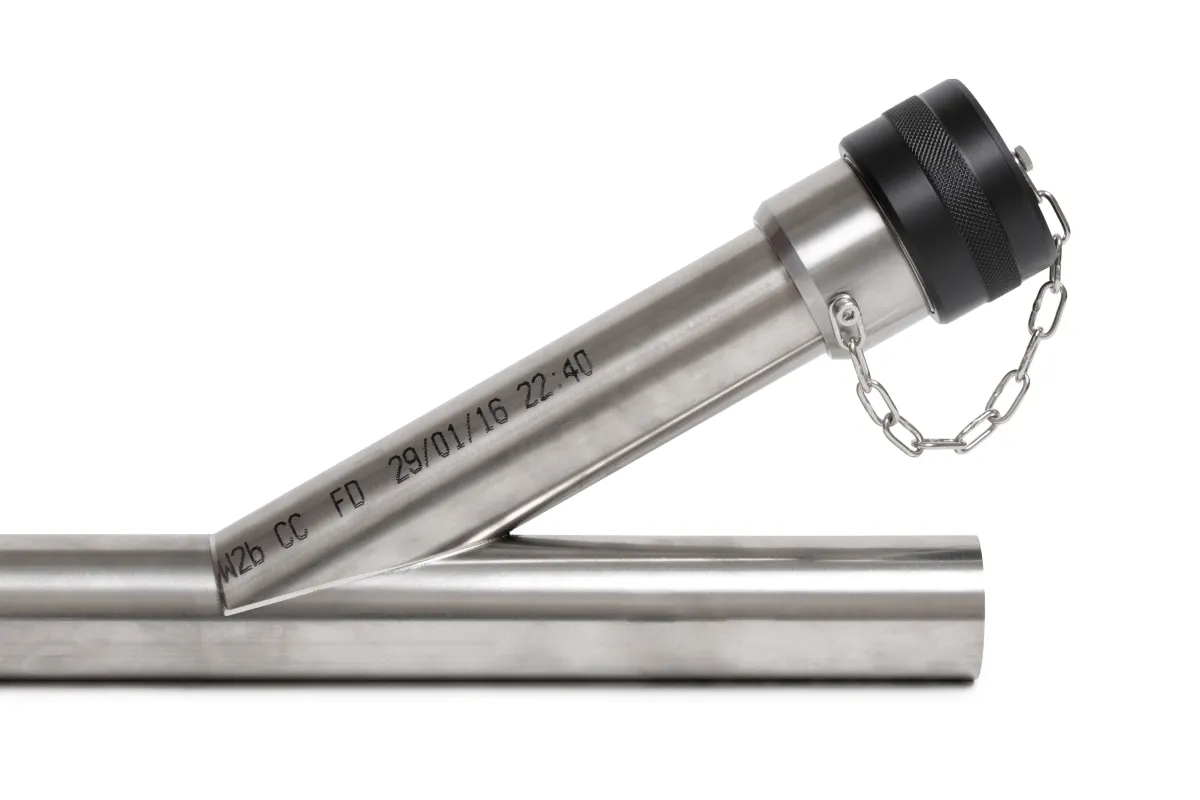
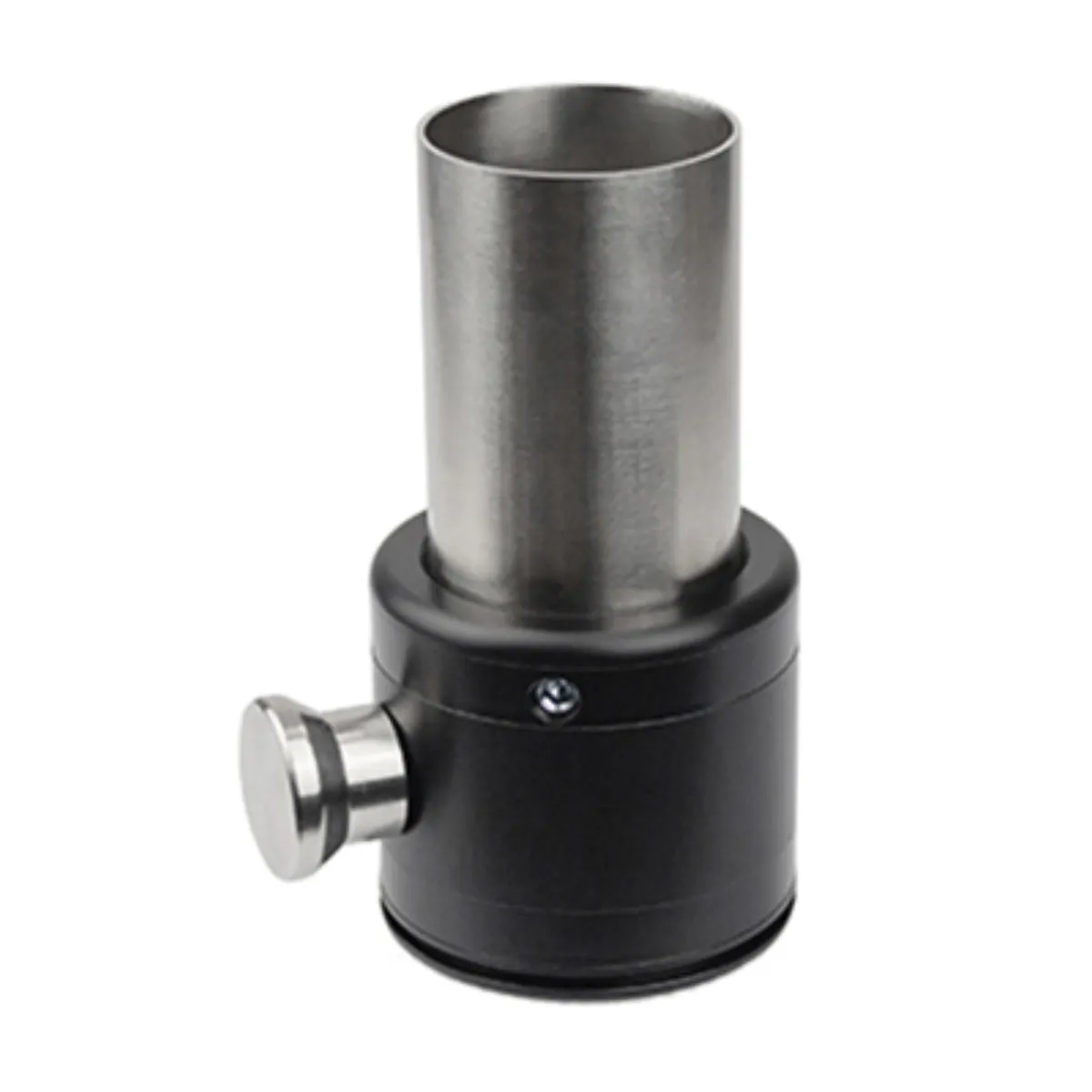
Hose Couplings
Hose couplings allow hose lines to be connected and released quickly. Because this is an operation the operator performs over and over at a material or color change, single-handed usability and secure locking are decisive.
Types
| Type | Feature |
|---|---|
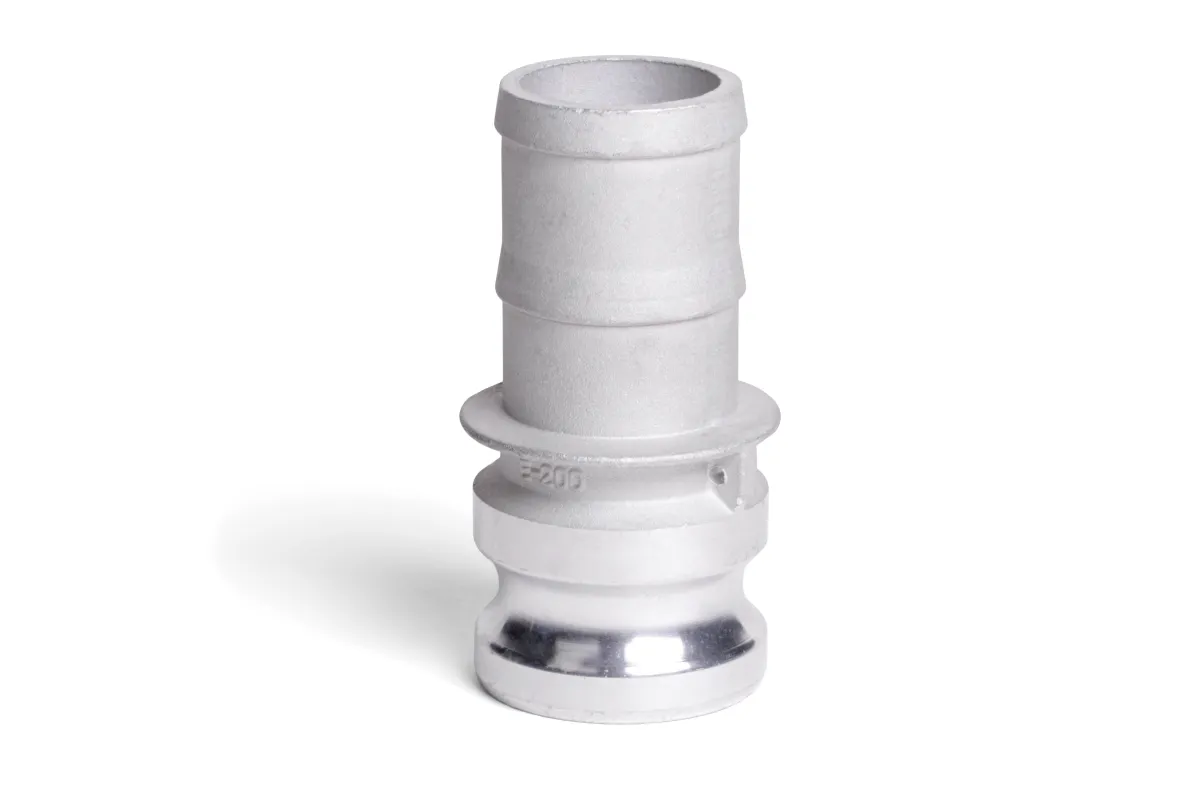
| Lever (Camlock) | Quick connection with levers — the most common, fitted in a single movement |
| Screw-type (Einhand) | Screw locking; safer in environments with vibration |
| Push-fit (Switch & Lock 360) | Fitted by pushing, rotates through 360° — the hose does not twist |
Selection criterion
At distribution tables where connections are changed often, the lever type saves time. At points with vibration and tensile force the screw type should be preferred. Where the hose turns or twists, the push-fit type rotating through 360° noticeably extends the life of the hose.
Related: Hose Assemblies · Material Distributors · The system as a whole: central feeding solutions
Three coupling types, three usage scenarios
Camlock is fast: the two levers open at the same time and it connects in seconds. It is the most efficient solution at coupling stations with frequent material changes; on the other hand it requires two hands.
[Screw-type (Einhand)](/en/products/michel-tube-screw-hose-coupling) can be used with one hand and holds more securely under vibration. It is preferred in tight spaces and at points that are hard to reach; the connecting time is slightly longer than with a camlock.
Push-fit (Switch & Lock 360) is both fast and allows the hose to rotate through 360°; it is an advantage in layouts where the hose must not twist and the operator has to be able to work regardless of position.
The question that determines the choice
The decision is made not with "which coupling is better" but with "how many times a day is this point disconnected, and how accessible is it". On a connection that is rarely disconnected, speed does not matter; at a station changed dozens of times a day, seconds add up to shift time.
Maintenance and safety
- The seal surfaces must be cleaned of granulate dust; a dirty surface leaks
- When the locking mechanism wears, the coupling can open by itself — a periodic check is needed
- A coupling that separates under vacuum is both a loss of material and a safety problem
- Mixing different makes and types leads to leakage because of dimensional mismatch
Conformity to a standard
Mixing different makes and types leads to leakage because of dimensional mismatch. Sticking to a single coupling standard in the plant both simplifies spare part management and reduces the risk of the operator mismatching parts. On new line installations, keeping to the existing standard is recommended.