Round Tubes Products(3)
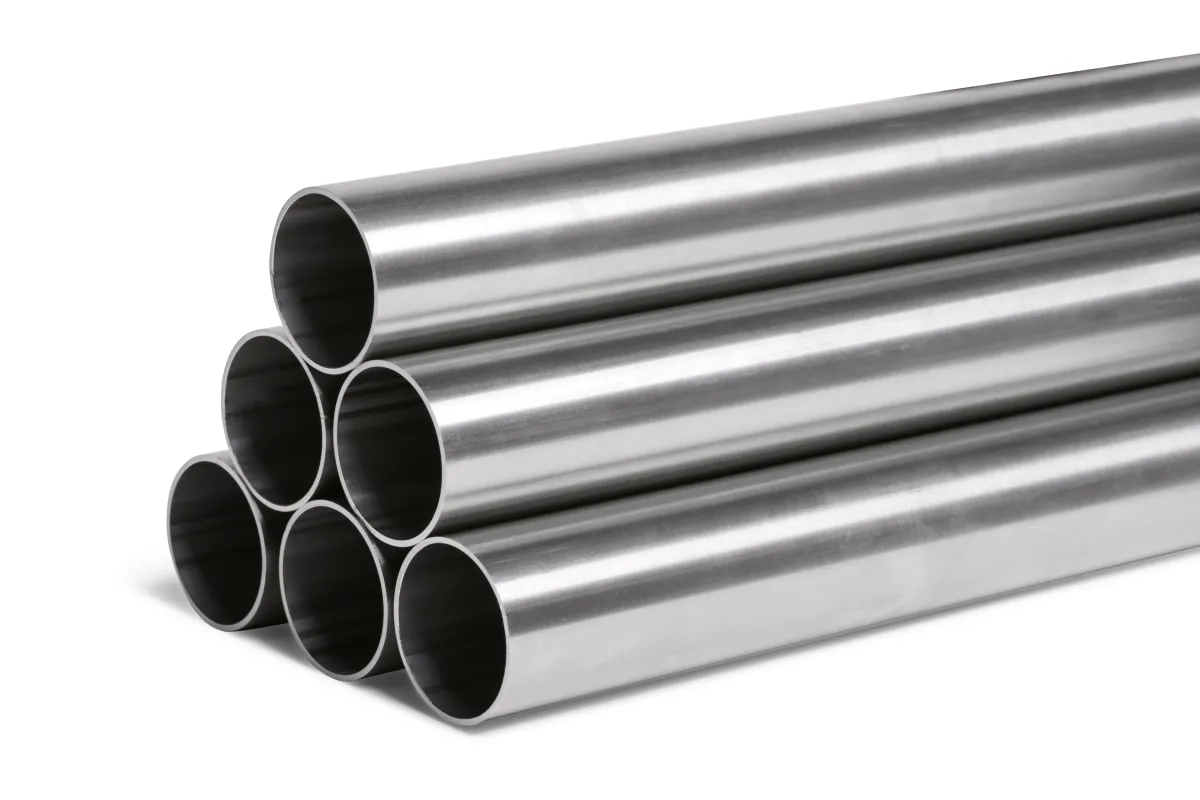 Michel Tube Engineering
›Stainless Steel Round Tube
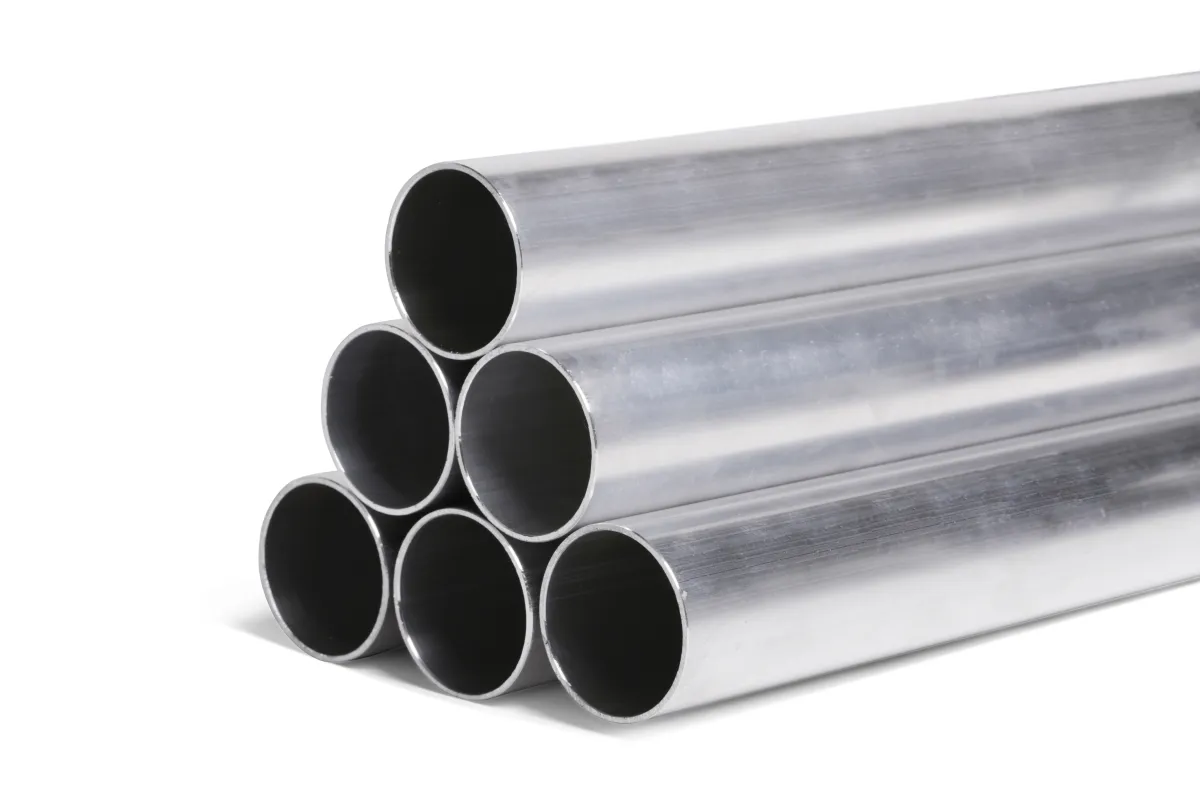 Michel Tube Engineering
›Aluminum Round Tube
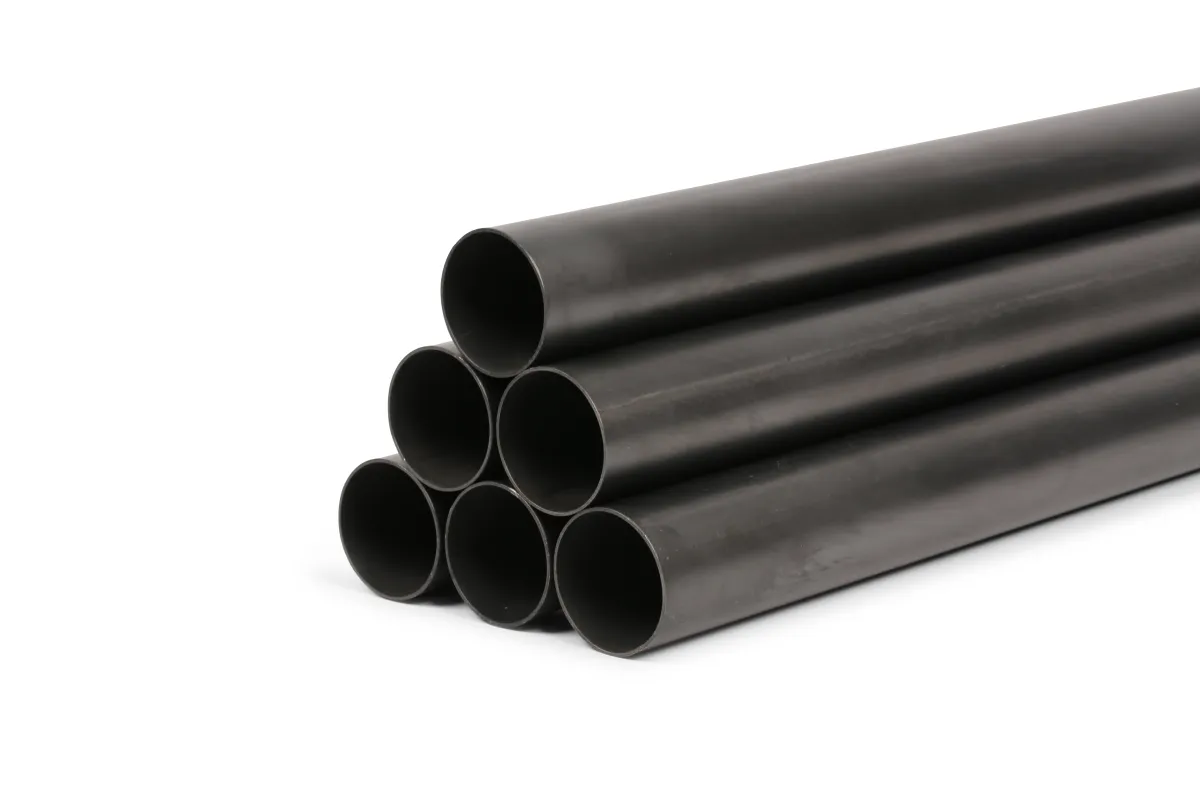 Michel Tube Engineering
›Wear-Resistant Round Tube and Glass
Round Conveying Tubes
The body of a central conveying line is formed by round tubes. The tube material directly determines the life of the line and the quality of the material: a wrongly chosen tube either wears through in a short time or contaminates the raw material it carries.
Which material, and when?
| Material | When it is chosen | Watch out |
|---|---|---|
| Stainless steel | Standard lines, food and medical, long life | The most common; balanced resistance to corrosion and wear |
| Aluminum | Lines needing a light structure and frequently dismantled | Its life is short with abrasive material |
| Wear-resistant | Glass fiber reinforced and filled raw materials | The investment is high, but the risk of wearing through disappears |
| Glass | Points where the flow has to be watched by eye | Fragile, not placed where it can be struck |
Rule: if your raw material contains glass fiber, mineral filler or a hard additive, a standard tube wears through in a few months. With abrasive material it is above all the elbows and the last section of the line that wear.
Our products: stainless steel, aluminum, wear-resistant and glass round tubes.
Related: Pipe Elbows · Pipe Connectors · The system as a whole: the vacuum conveying line
Three decisions in choosing a tube
1. Material. Stainless steel is the standard for the material line; aluminum is preferred on the vacuum line for its light weight and cost; wear-resistant tube and glass are reserved for abrasive raw material.
2. Diameter. The diameter determines the conveying speed. In a narrow diameter the speed rises; wear and angel hair formation accelerate. In a wide diameter the speed falls; below a certain threshold the granulate settles on the bottom of the tube and blockage begins. The right diameter is calculated together with the length and the flow rate of the line.
3. Surface quality. It is critical that the internal weld is smoothed. The smallest protrusion on a weld seam slows the granulate down; a build-up starts at that point and wear accelerates.
Frequent mistakes
- Making the whole line wear-resistant — unnecessary cost; what matters are the elbows and what follows them
- Using aluminum on the material line — with abrasive granulate it thins out in a short time
- Leaving a step at the connection points — both a pressure loss and a build-up point
- Fixing the line without leaving an allowance for thermal expansion
For connections pipe connectors are used, for turns elbows, and for fixing system components.