Color Coding Products(3)
Color Coding
In a central feeding system dozens of lines run side by side. If which line carries which material cannot be told apart visually, a wrong connection becomes inevitable — and the wrong material means a whole batch going to scrap.
Types of coding
| Type | Application |
|---|---|
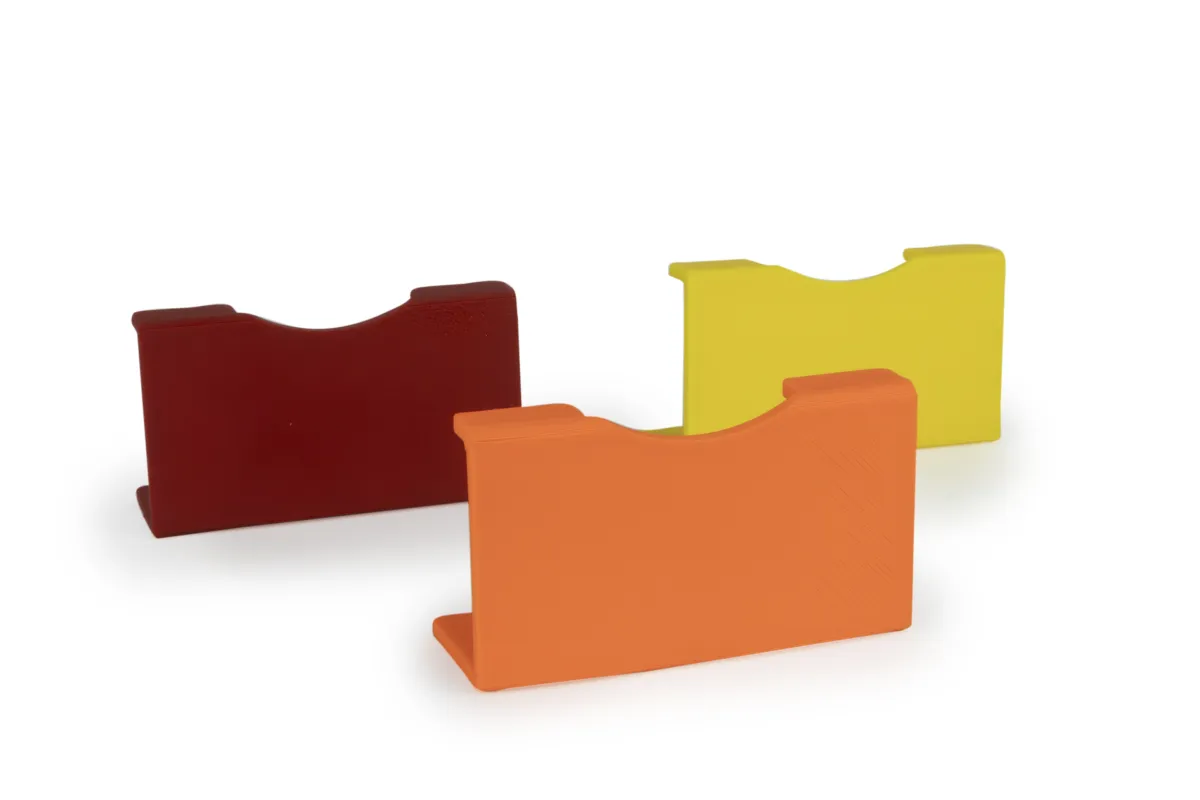
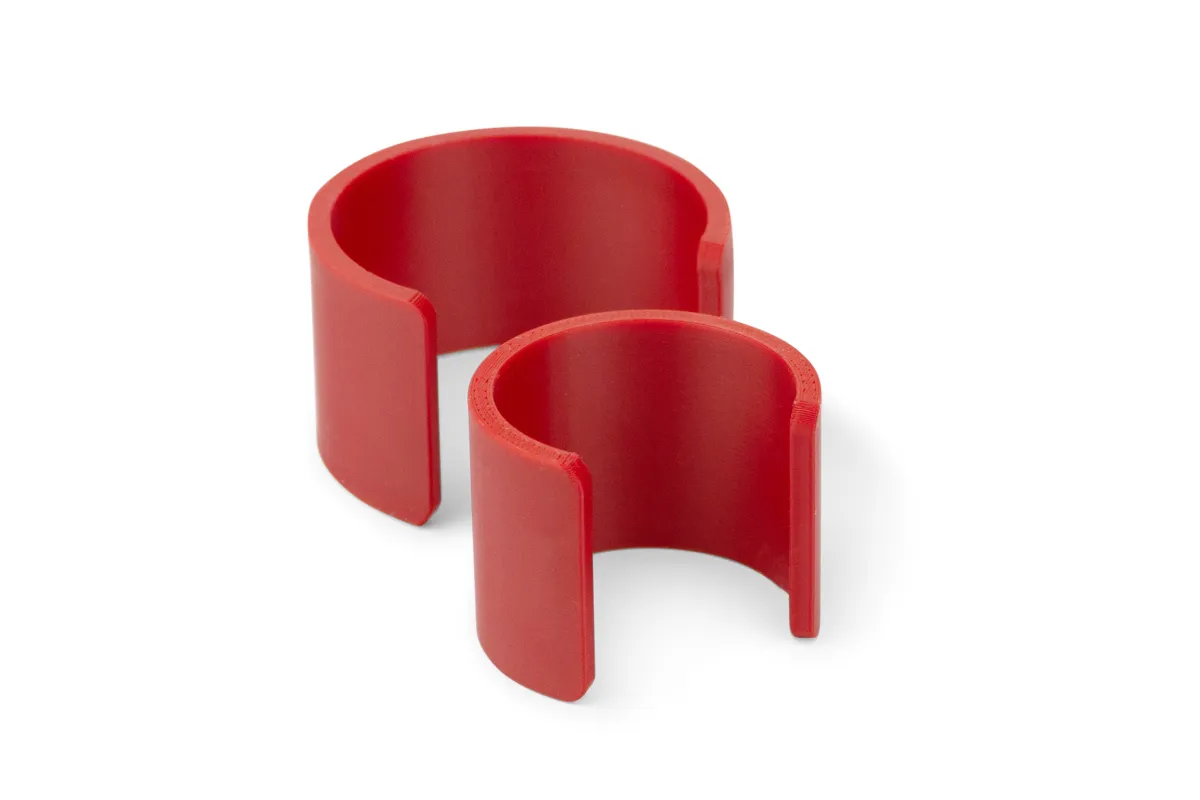
| Pipe Coding | Marking of fixed pipelines |
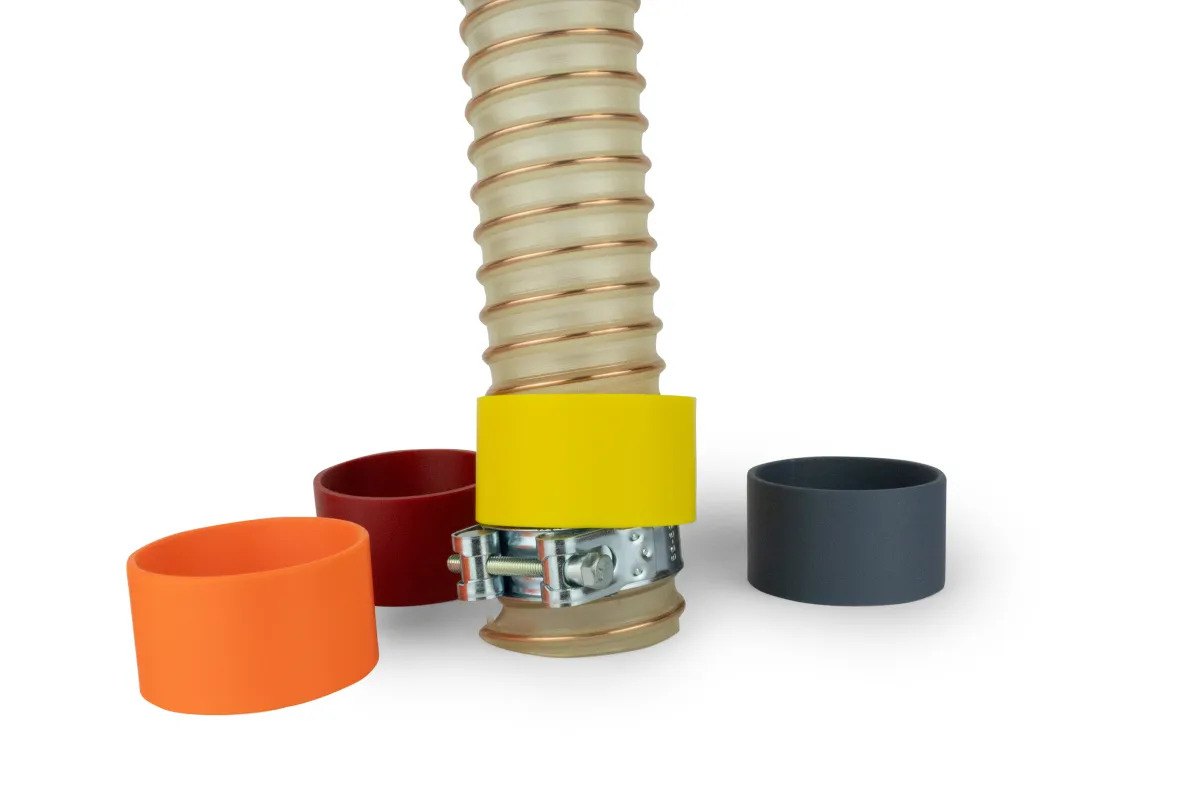
| Hose Coding | Color rings fitted to the hose ends |
| Michel Vario Coding | Coding of the inlets and outlets of the distribution table |
With 10 different colors, coding can be done by raw material, by machine or by line.
Why does a cheap solution prevent an expensive problem?
Color coding is the lowest-cost part of the system; yet the error it prevents is the most expensive one. At an operator change, at a shift handover and with new personnel, people look at the color, not at institutional memory.
To prevent a wrong connection physically you can look at the Automatic Distribution Table solution.
Related: Material Distributors · The system as a whole: central material feeding
Three layers of coding
| Layer | What it shows | Product |
|---|---|---|
| Pipe end | Which machine the line goes to | Pipe coding |
| Hose ring | Which raw material the hose carries | Hose coding |
| Vario table | The line routing on the station | Vario coding |
The most reliable arrangement is the one where all three are used together and with the same color scale. Two coding systems set up on different logic are more confusing than no coding at all.
The cost of a wrong connection
A line wrongly connected at the coupling station means the wrong raw material going to the wrong machine. The result is, at best, a shift's worth of scrap and, at worst, a contaminated line that takes hours to clean. Color coding removes that risk with the cheapest component of the system.
Keeping the system alive
The most common reason coding systems fail is not the installation but the lack of upkeep:
- The color assignments must be tied to a chart, and the chart must be visible at the station
- If the chart is not updated when lines change, the coding becomes misleading
- Faded and worn markers must be replaced
- Similar shades should be avoided; distinguishable colors should be chosen
If the number of lines is very high, color alone is not enough; numbering or an automatic coupling station should be considered.
Choosing the color set
The colors must be distinguishable; shades close to one another (such as light blue and turquoise) are confused especially in low light. Color blindness should also be taken into account and, where possible, a number or symbol used in addition to the color. The coding chart should be kept displayed where it is visible at the station.