Pipe Fittings Products(14)
 Michel Tube Engineering
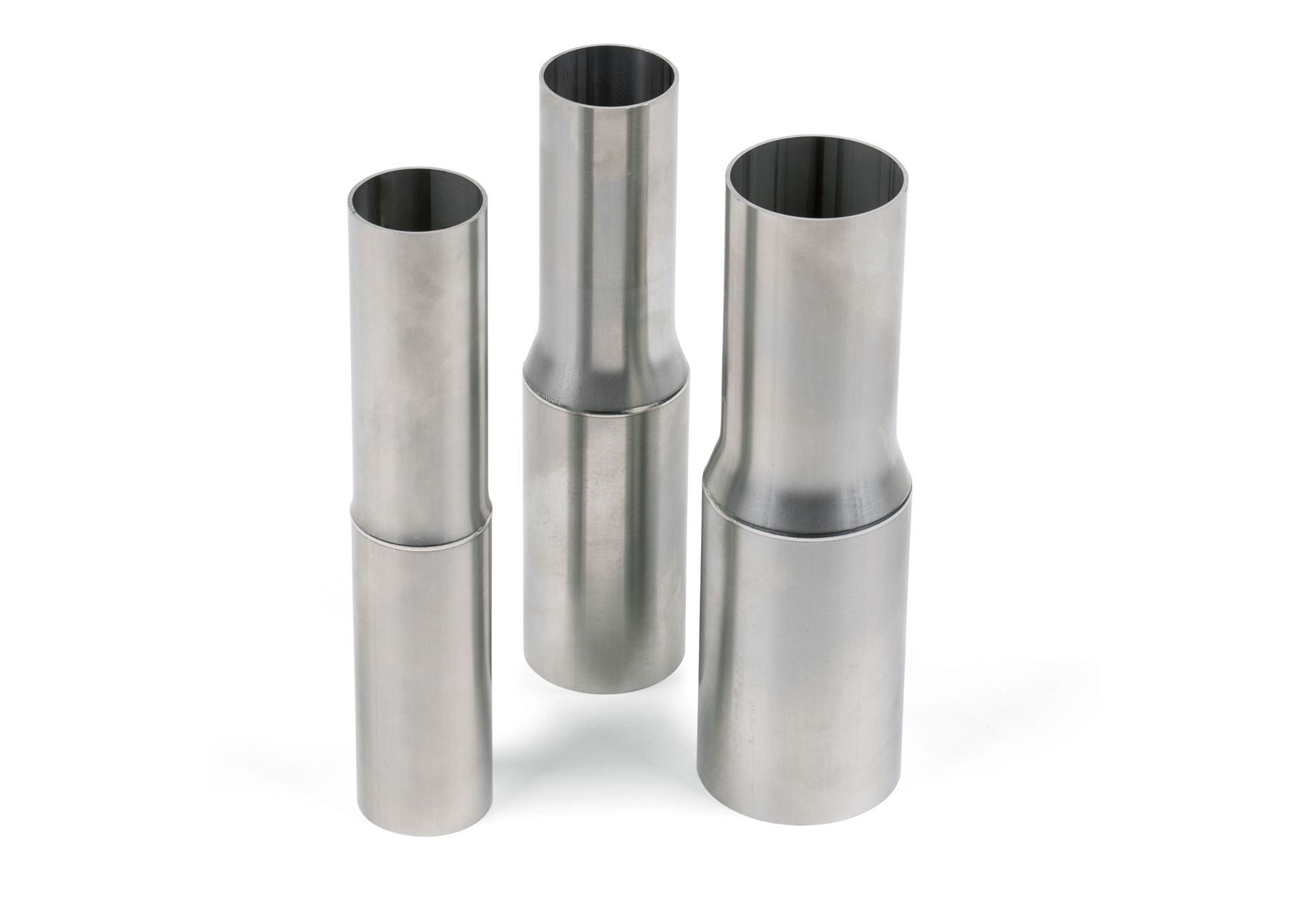
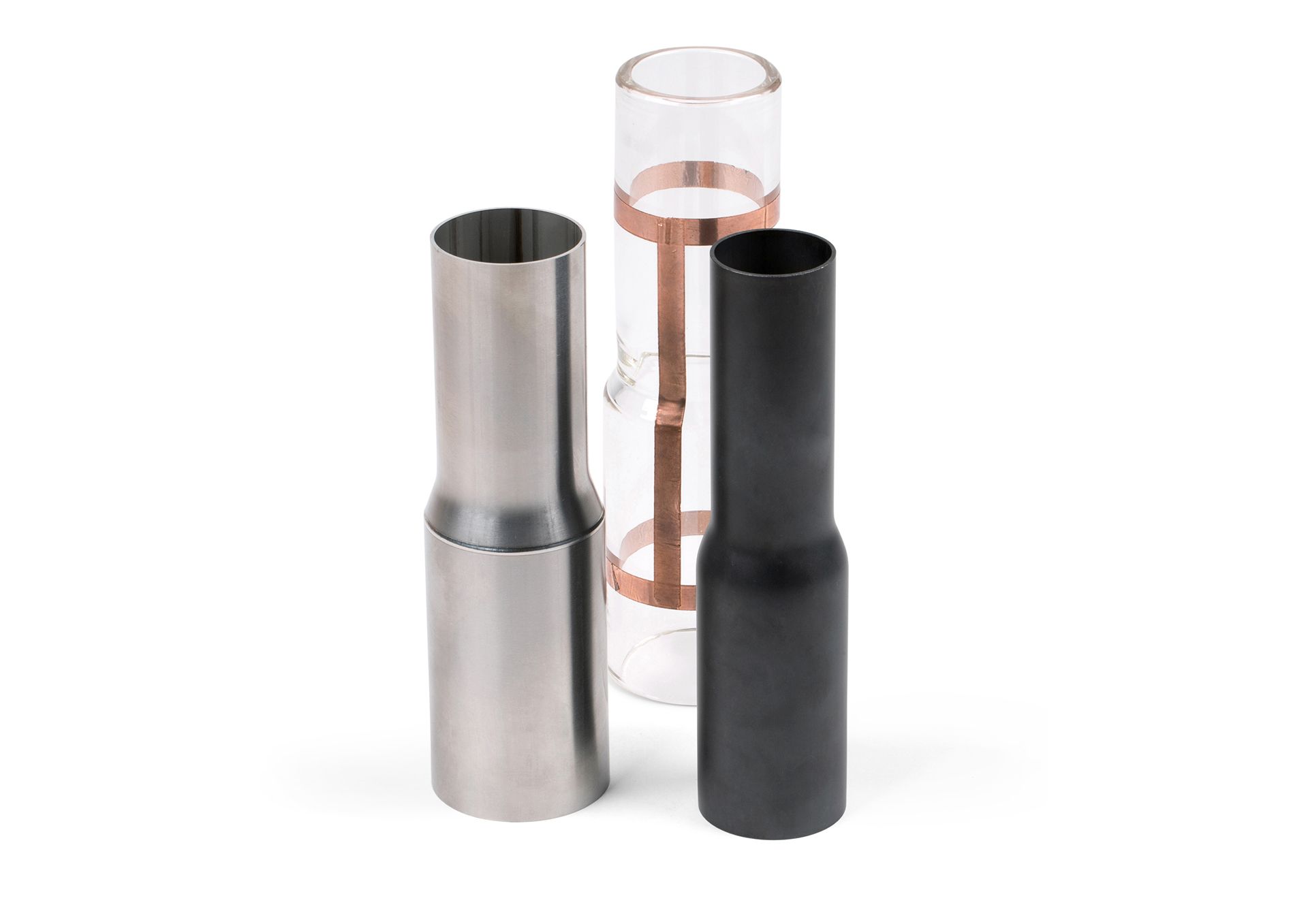
›Reducer - Stainless Steel
 Michel Tube Engineering
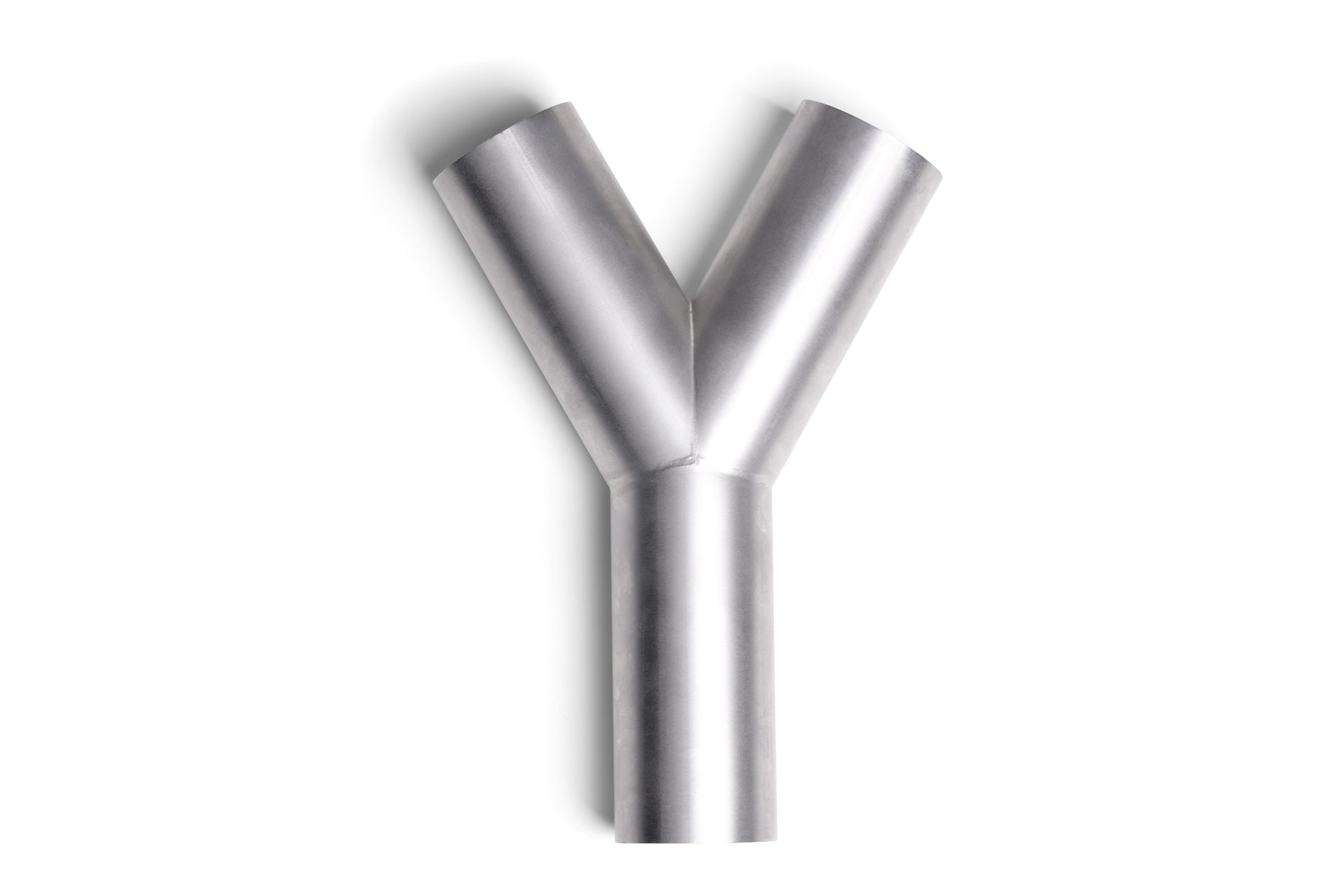
›Y-Piece - Stainless Steel
 Michel Tube Engineering
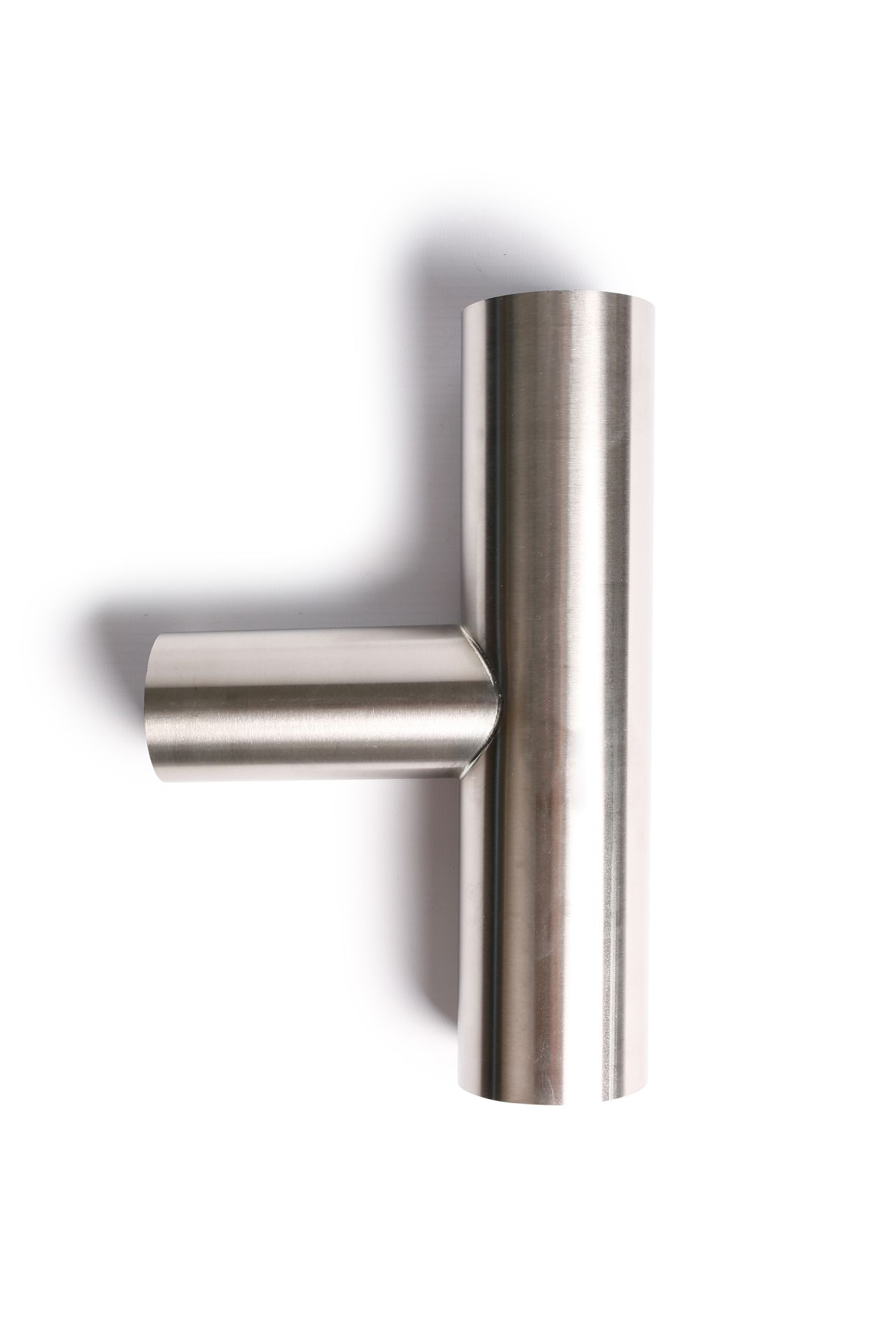
›T-Piece - Stainless Steel
 Michel Tube Engineering
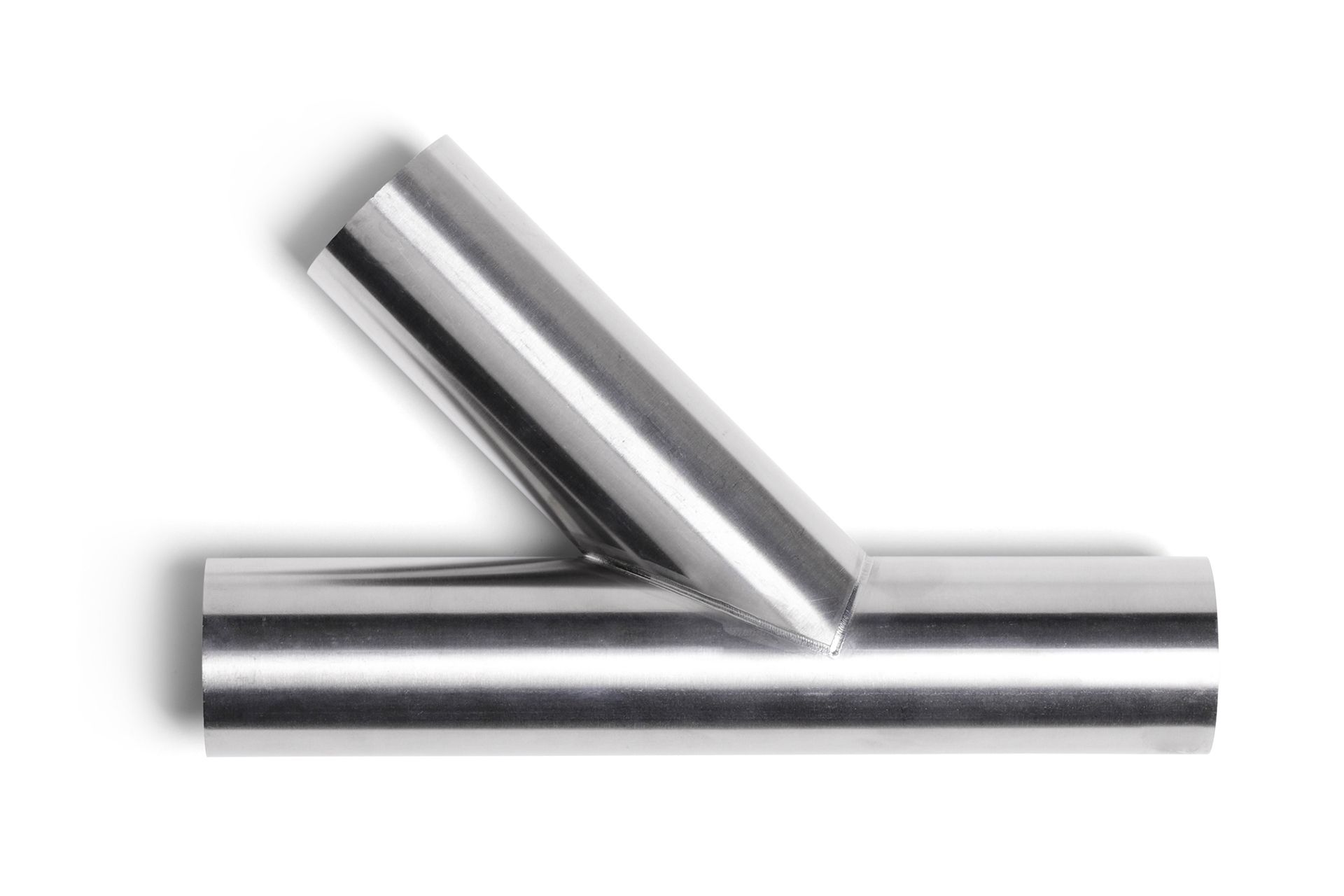
›45° Branch Y-Connection - Stainless Steel
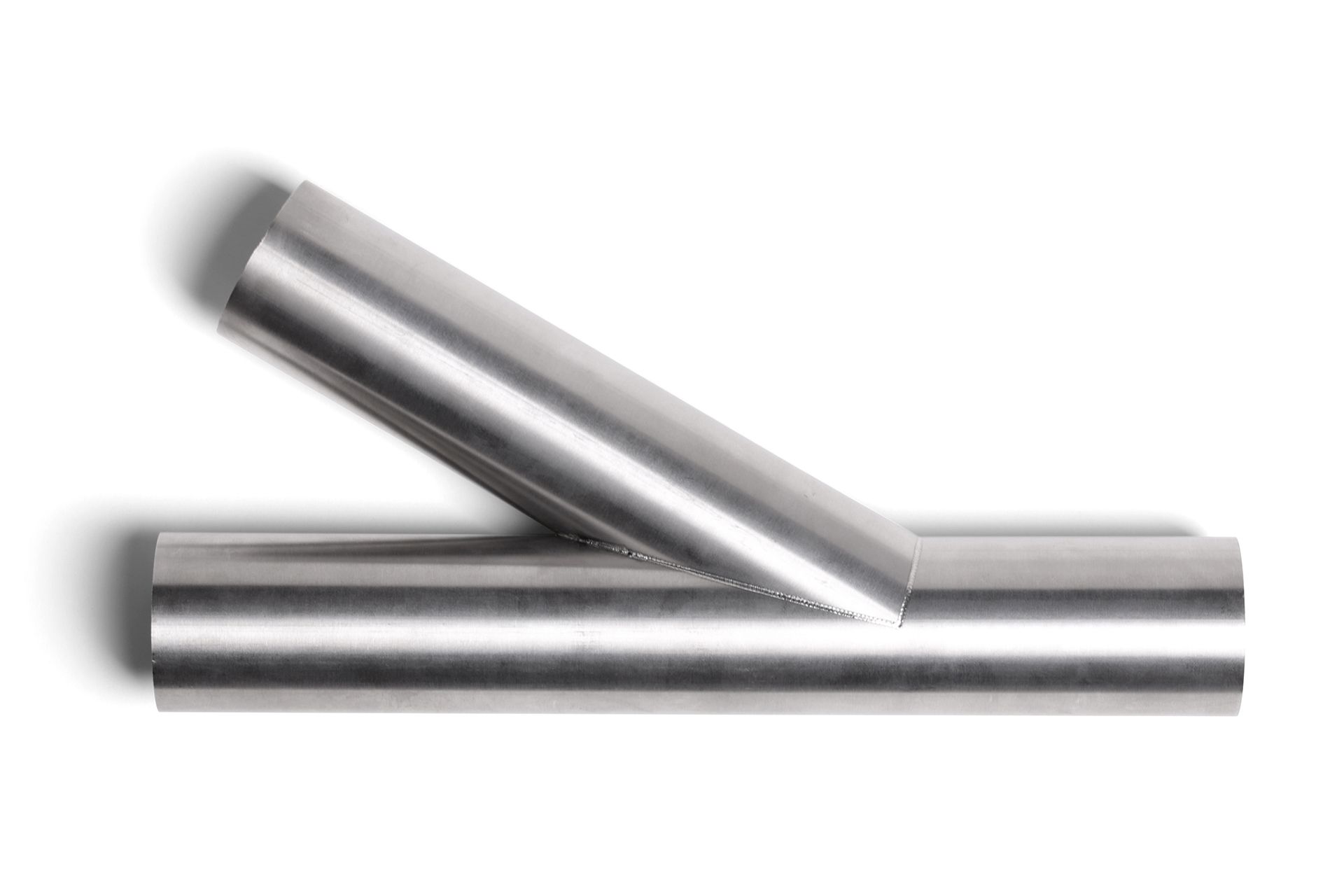 Michel Tube Engineering
›30° Branch Y-Connection - Stainless Steel
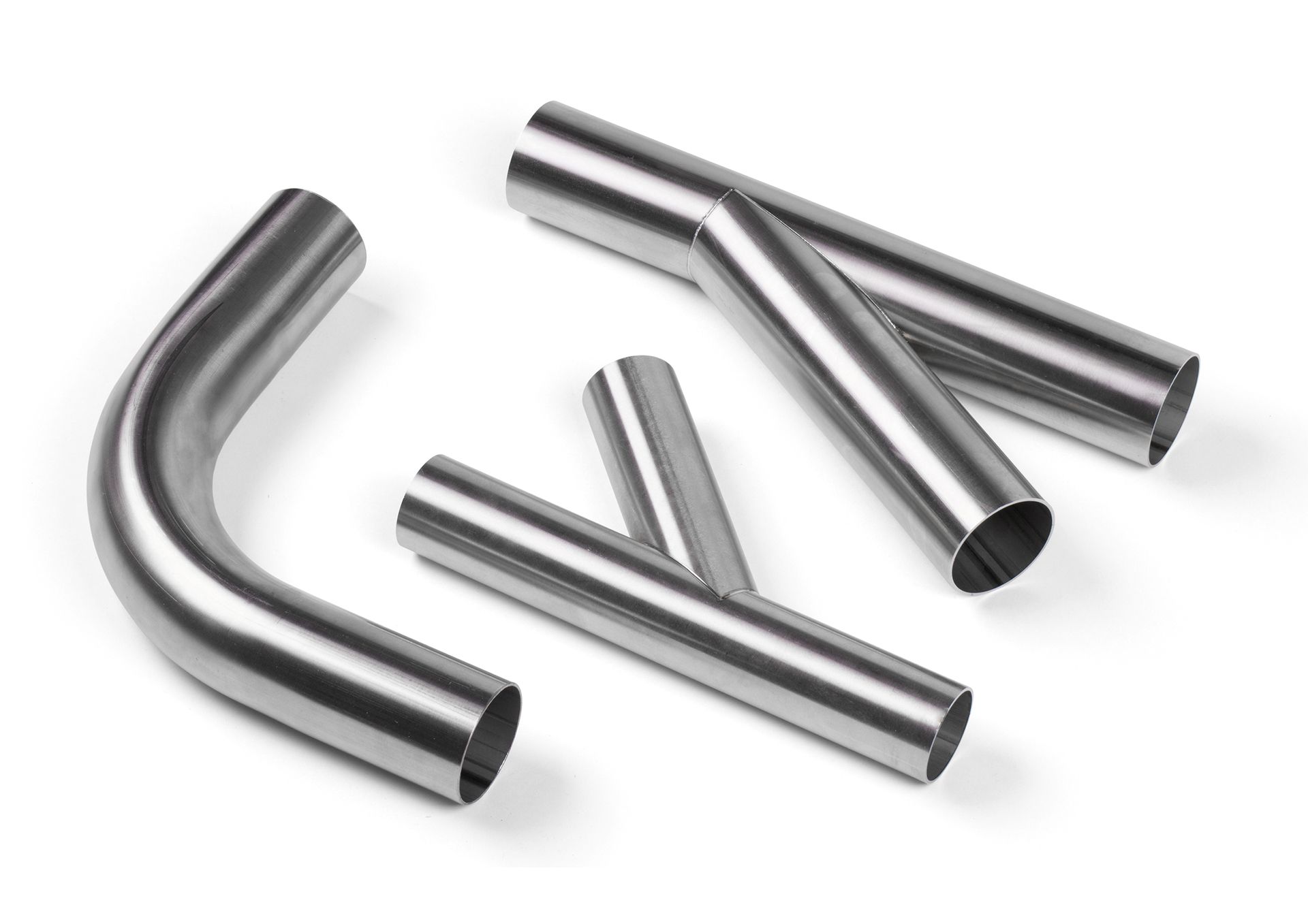 Michel Tube Engineering
›90° Corner Connection - Stainless Steel
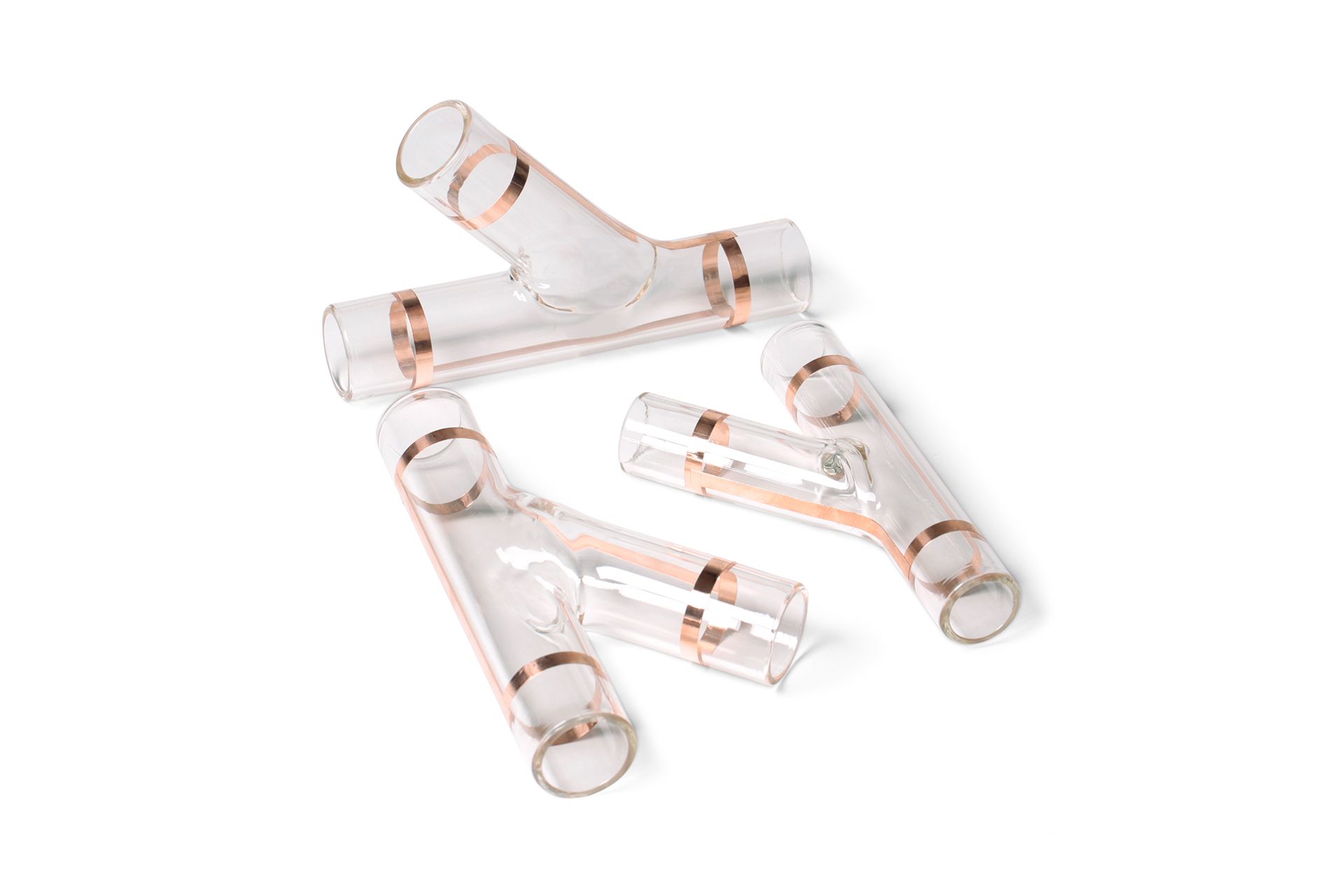 Michel Tube Engineering
›45° Branch Y-Connection - Glass
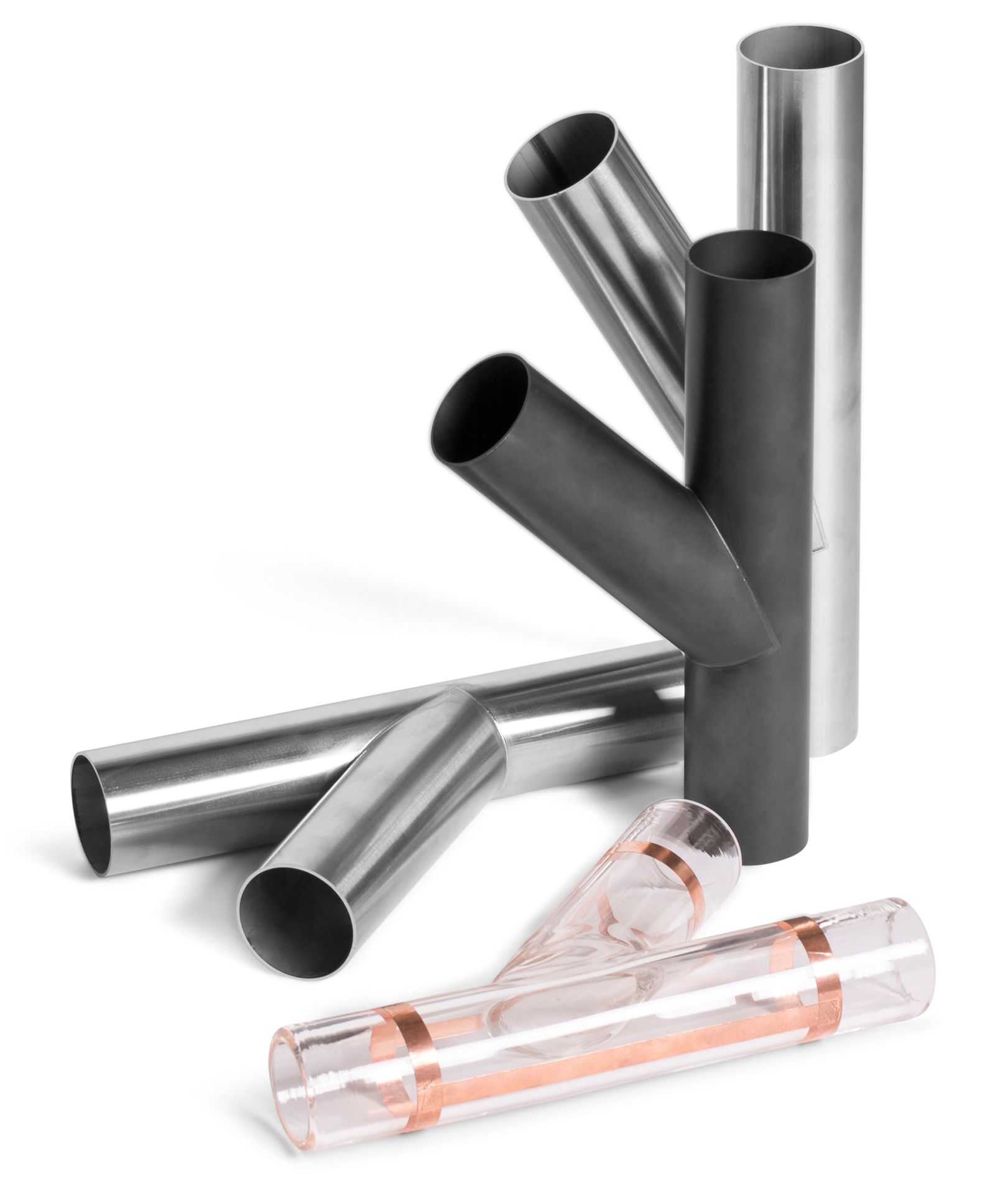 Michel Tube Engineering
›T-Piece (Closed) - Glass
 Michel Tube Engineering
›Reducer - Glass
 Michel Tube Engineering
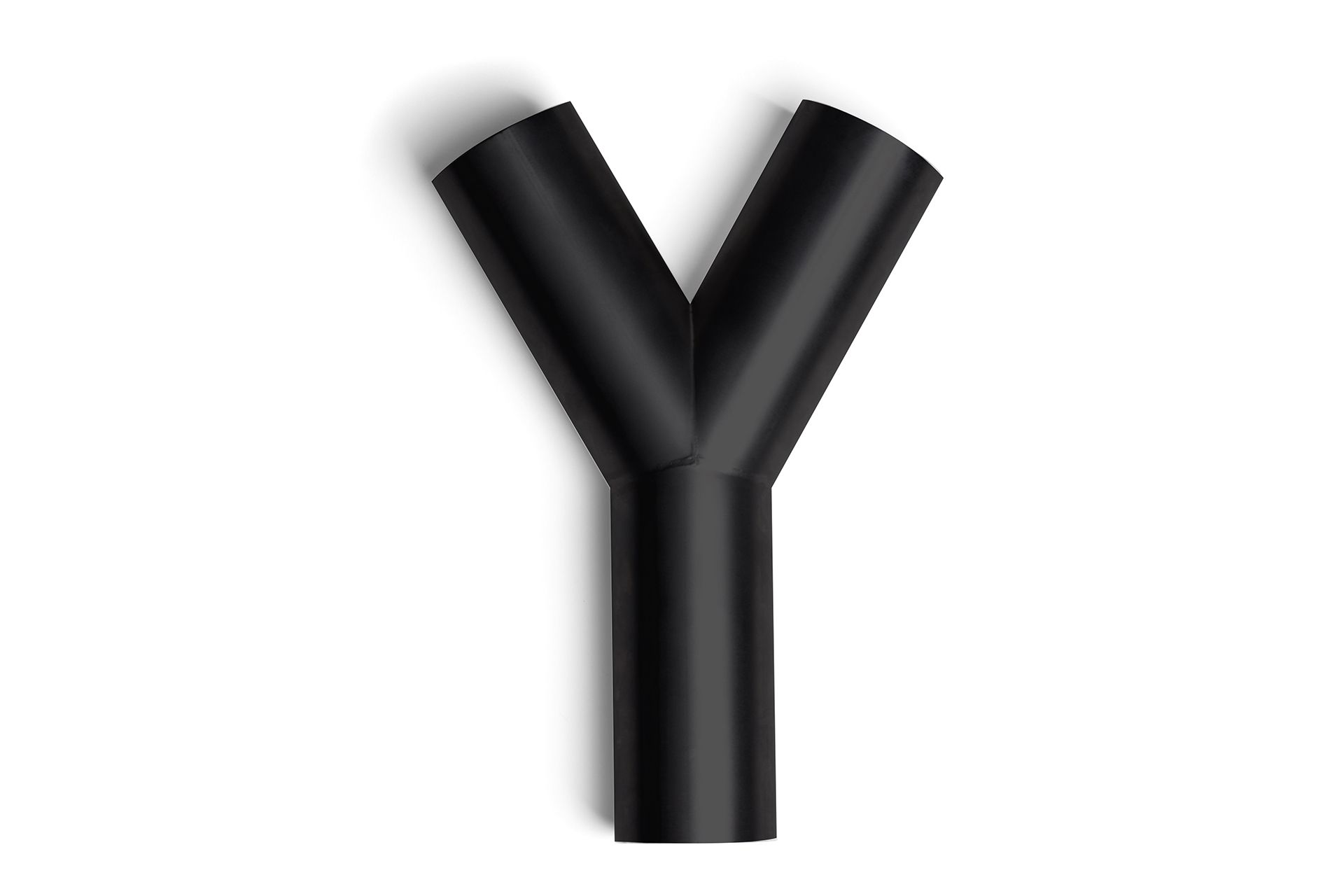
›Y-Piece - Wear-Resistant
 Michel Tube Engineering
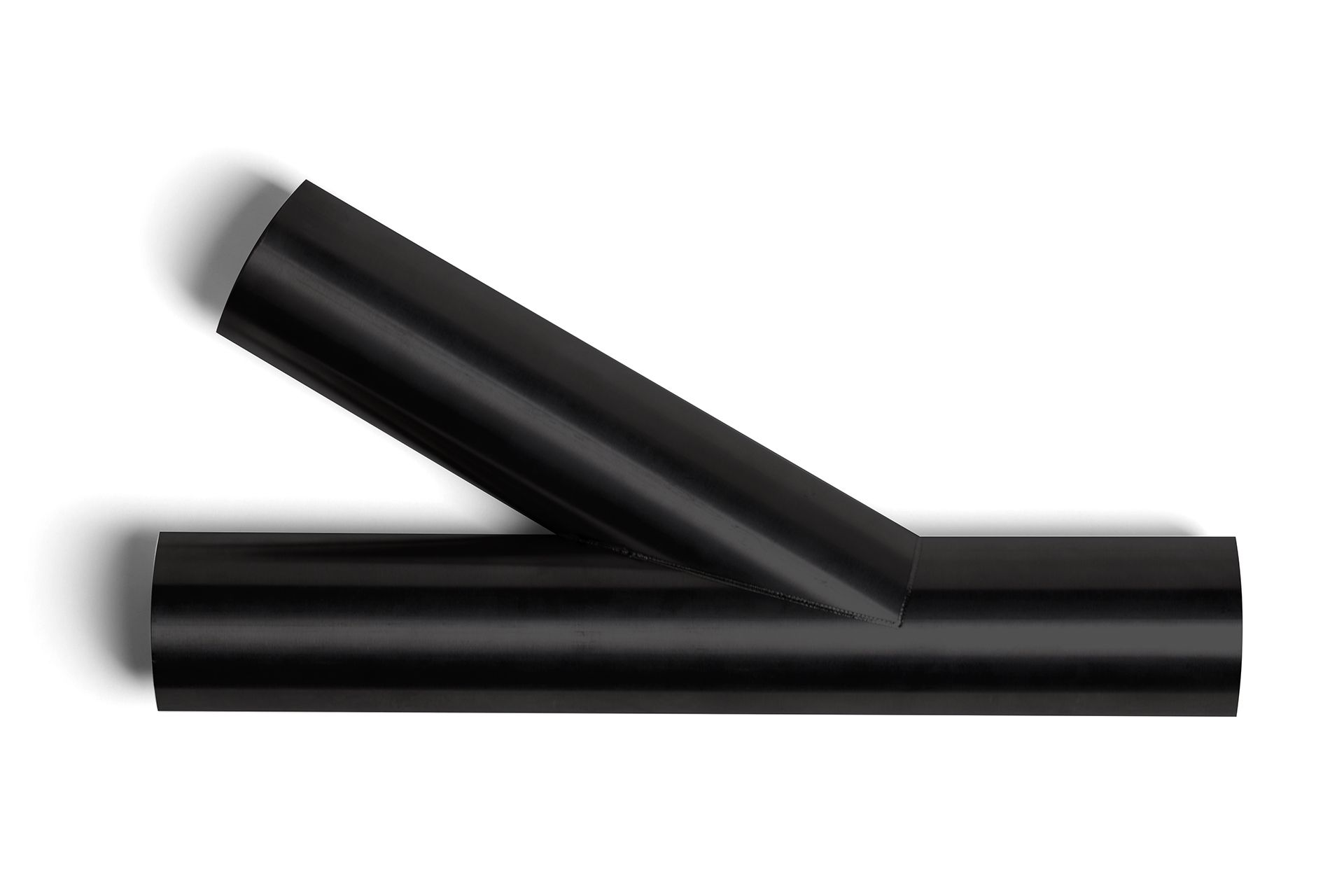
›30° Branch Y-Connection - Wear-Resistant
 Michel Tube Engineering
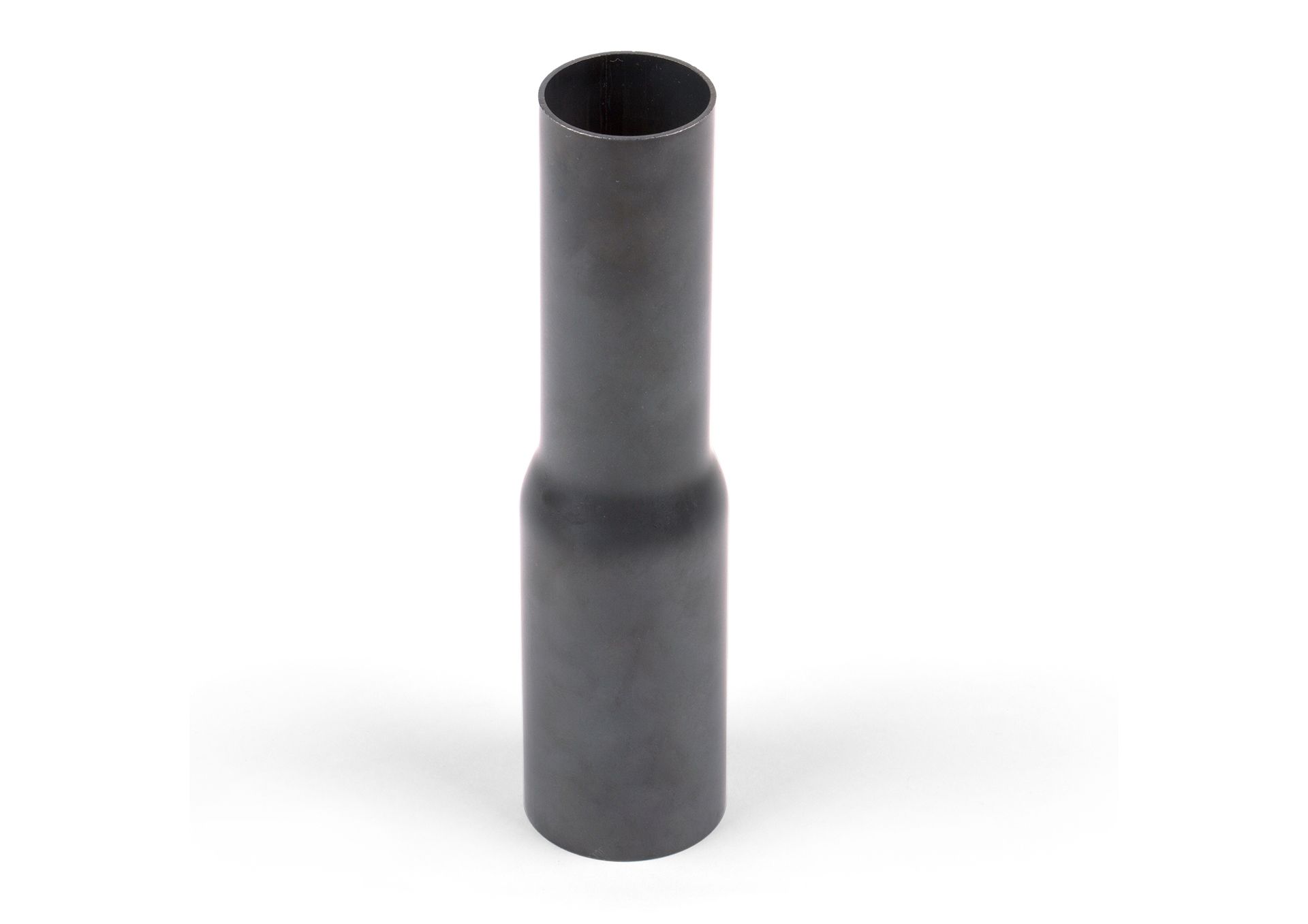
›Reducer - Wear-Resistant
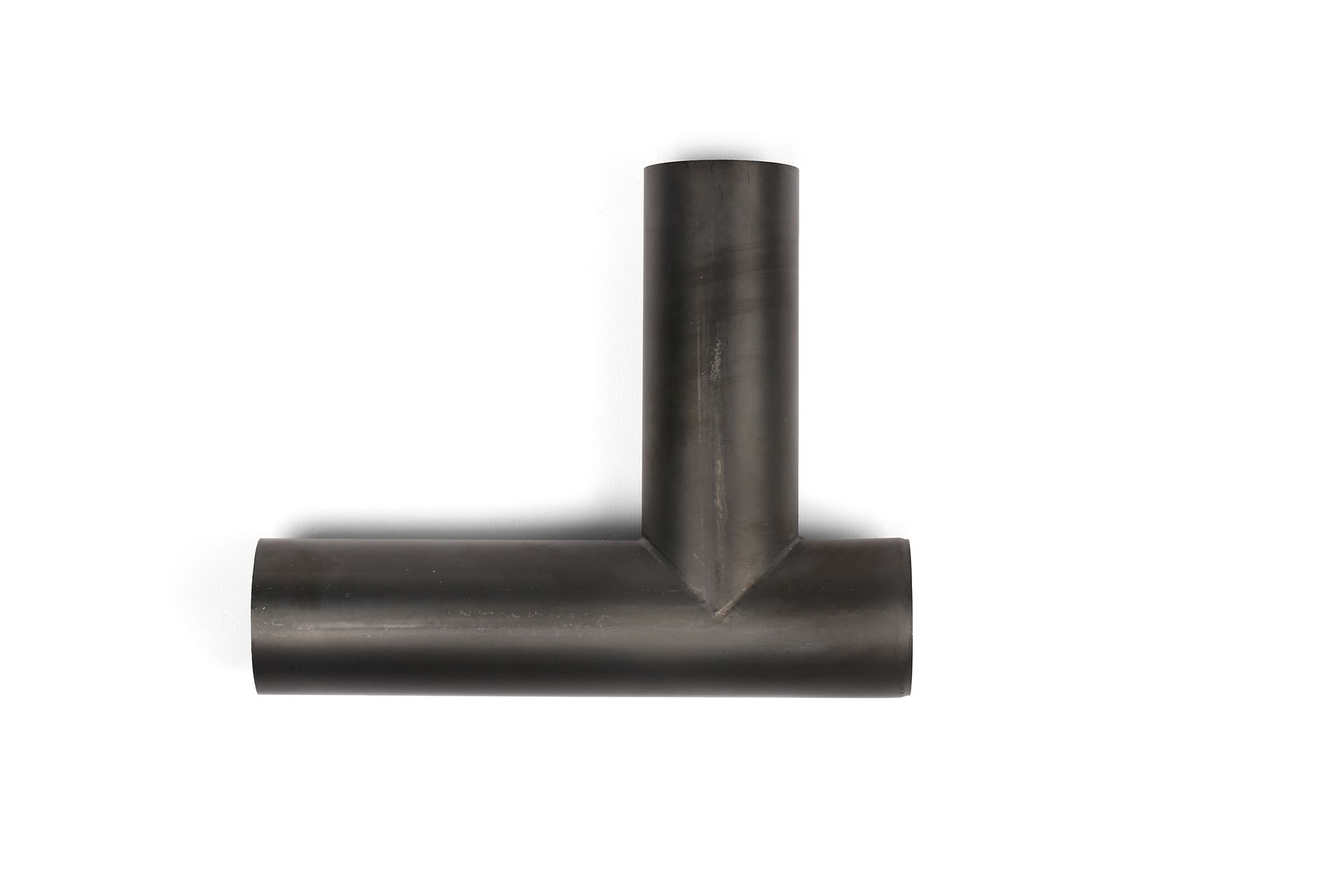 Michel Tube Engineering
›T-Piece (Closed) - Wear-Resistant
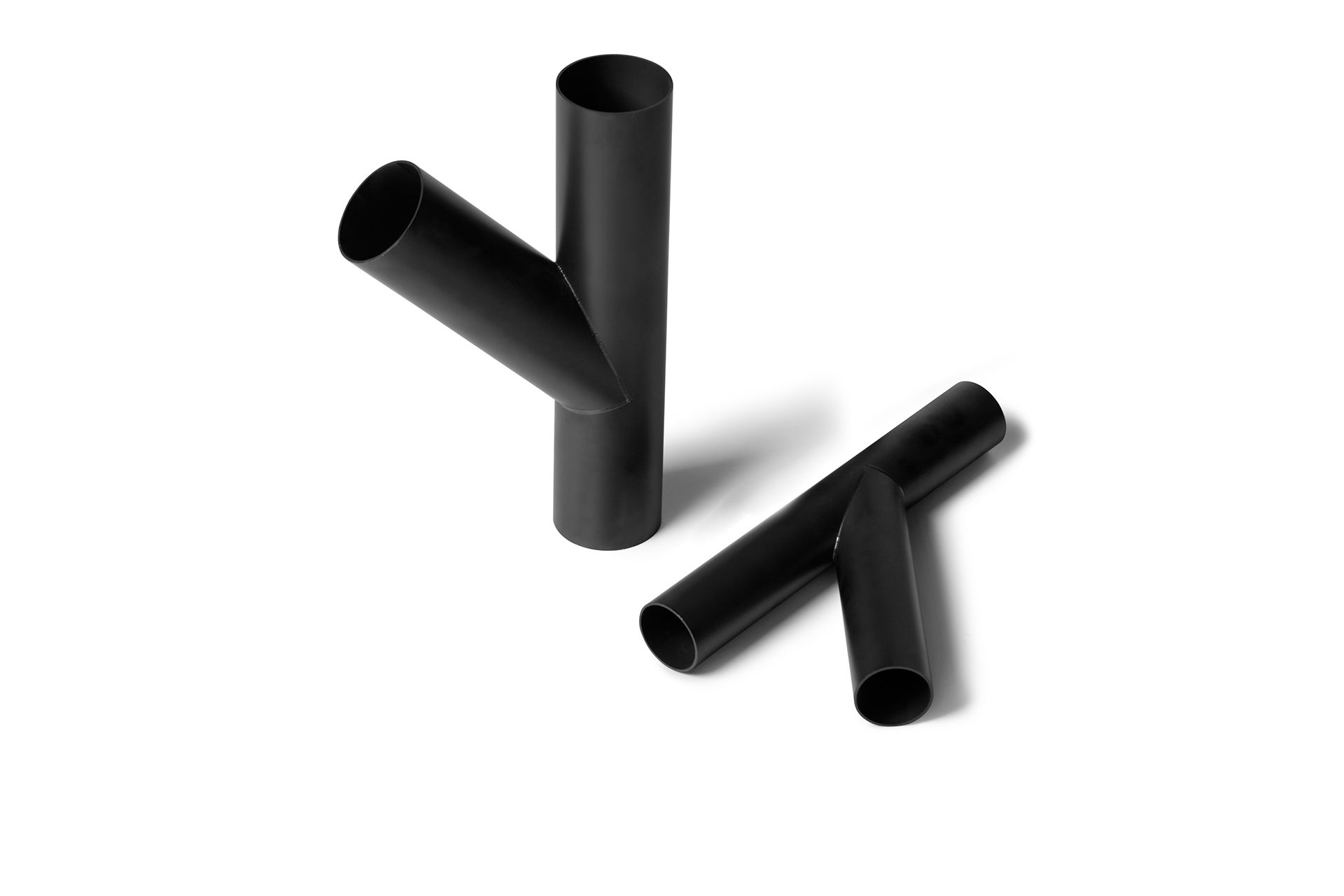 Michel Tube Engineering
›45° Branch Y-Connection - Wear-Resistant
Pipe Fittings
Fittings create the changes of direction and cross-section in a conveying line: they are used to split one line in two, to join two lines, to reduce the diameter or to turn a corner.
Types of fitting
| Part | Function |
|---|---|
| Reducer | Joins tubes of different diameters, provides a change of cross-section |
| Y-Piece | Splits a line in two or joins two lines |
| T-Piece | Perpendicular branch; the closed (blanked) version is used as a cleaning port |
| 45° / 30° Branch Y-Connection | A branch at an angle close to the flow direction — lower pressure loss and wear |
| 90° Corner Connection | A sharp change of direction in a tight space |
Why does the angle matter?
The larger the branch angle, the more head-on the material strikes the wall: wear increases, the pressure loss rises and particle breakage grows. Wherever possible a 30° or 45° branch Y-connection should be preferred, and a 90° corner used only where space is limited.
The same choice applies to the material: with abrasive raw material the fittings too should be chosen in the wear-resistant type — there is no gain if the line tube holds up while the fitting wears through.
14 different fittings are available in stainless steel, glass and wear-resistant options.
Related: Pipe Elbows · Round Tubes · The system as a whole: vacuum material conveying