System Components Products(5)
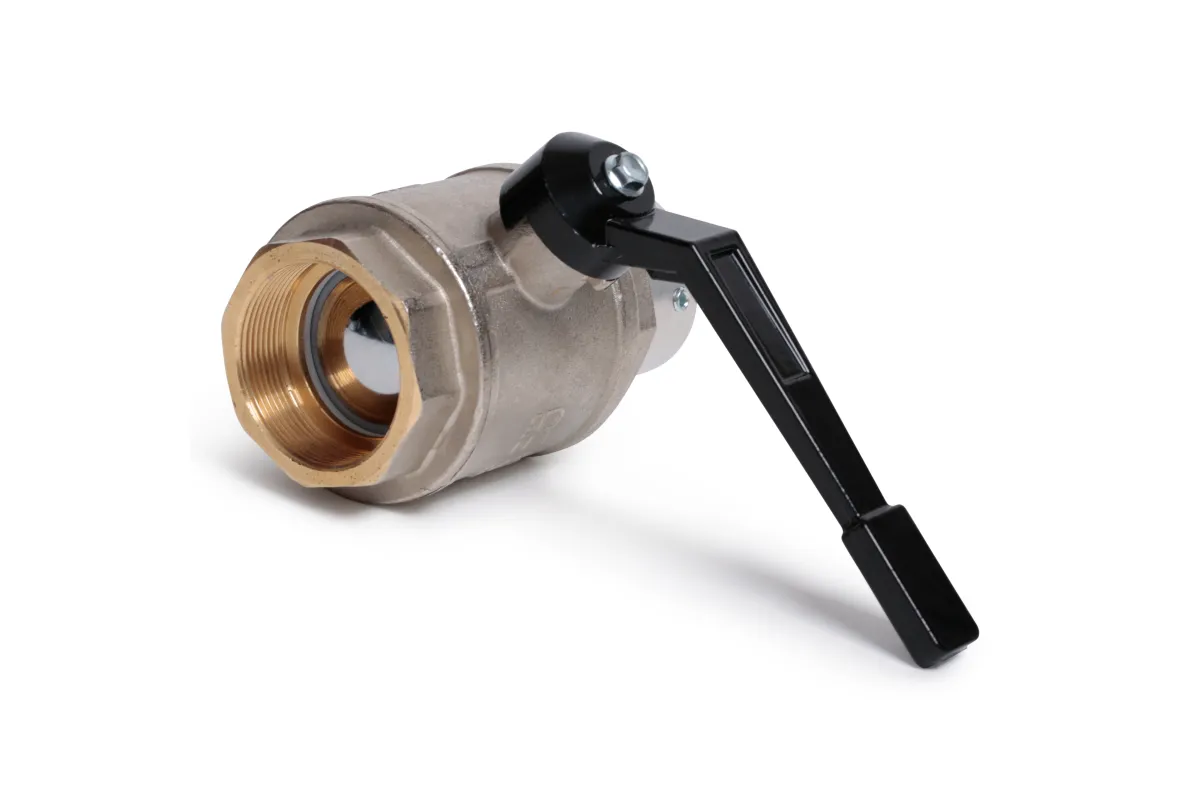 Michel Tube Engineering
›90° Bend - Aluminum
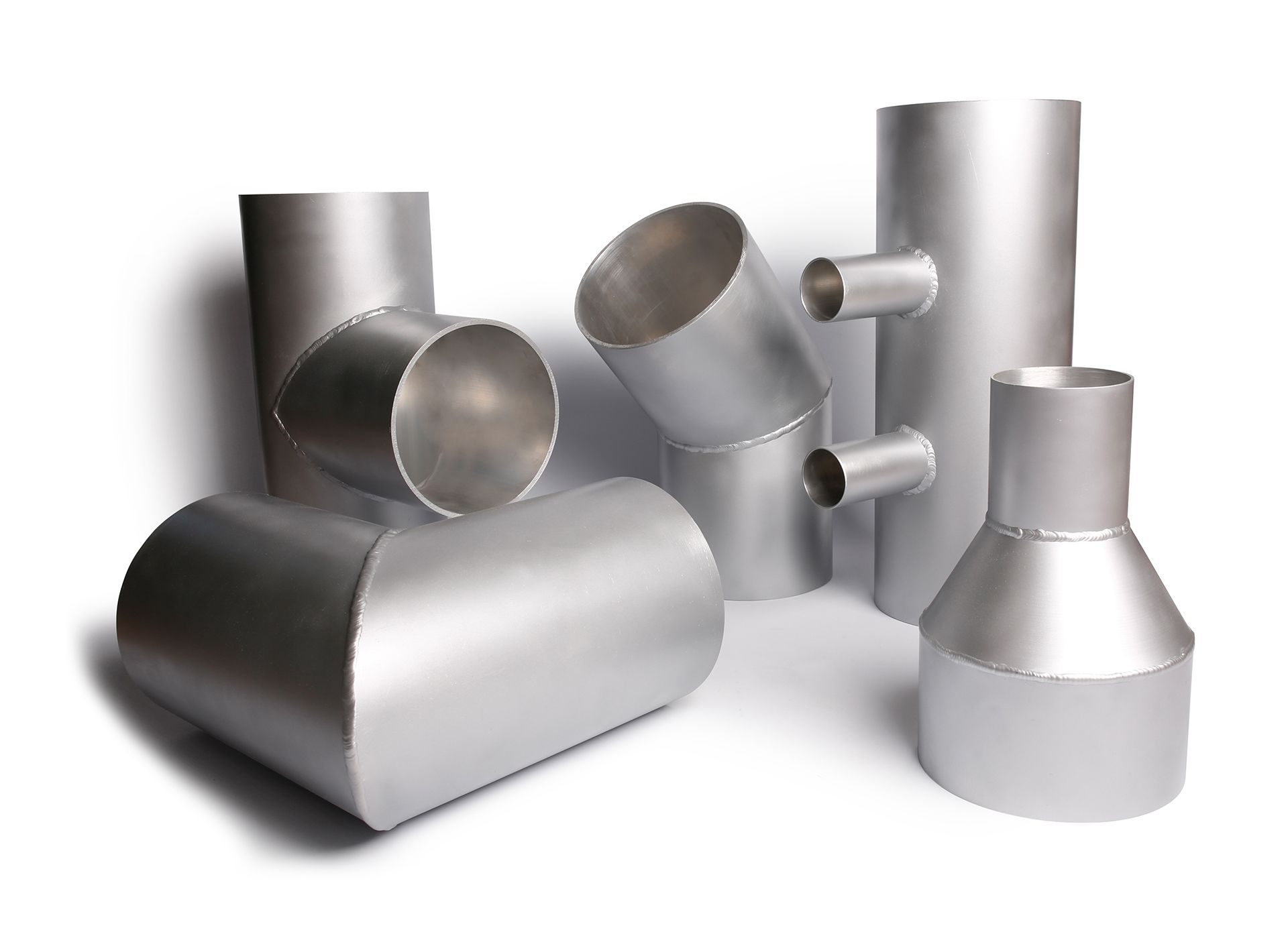 Michel Tube Engineering
›Reducer - Aluminum (Vacuum Line)
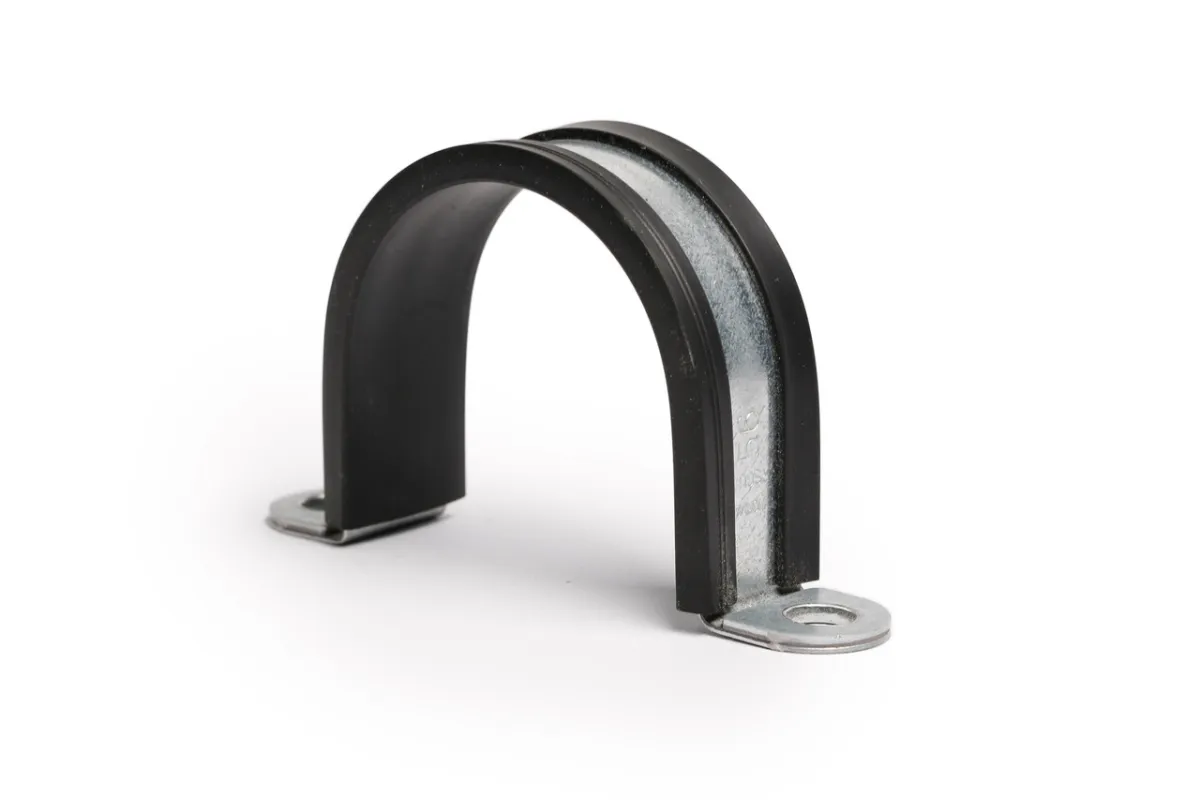 Michel Tube Engineering
›Mounting Material
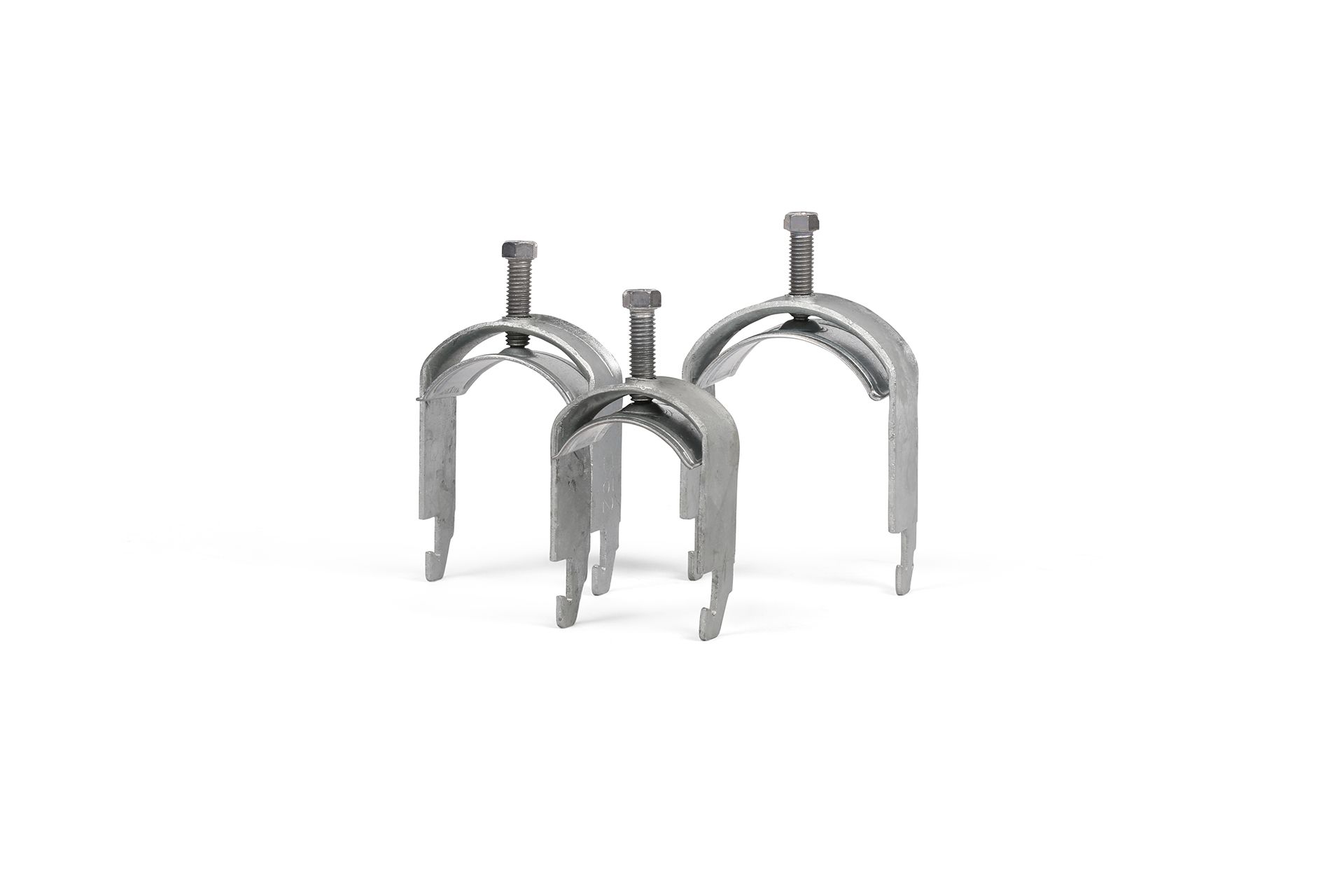 Michel Tube Engineering
›Pipe Clamp (Bügelschelle)
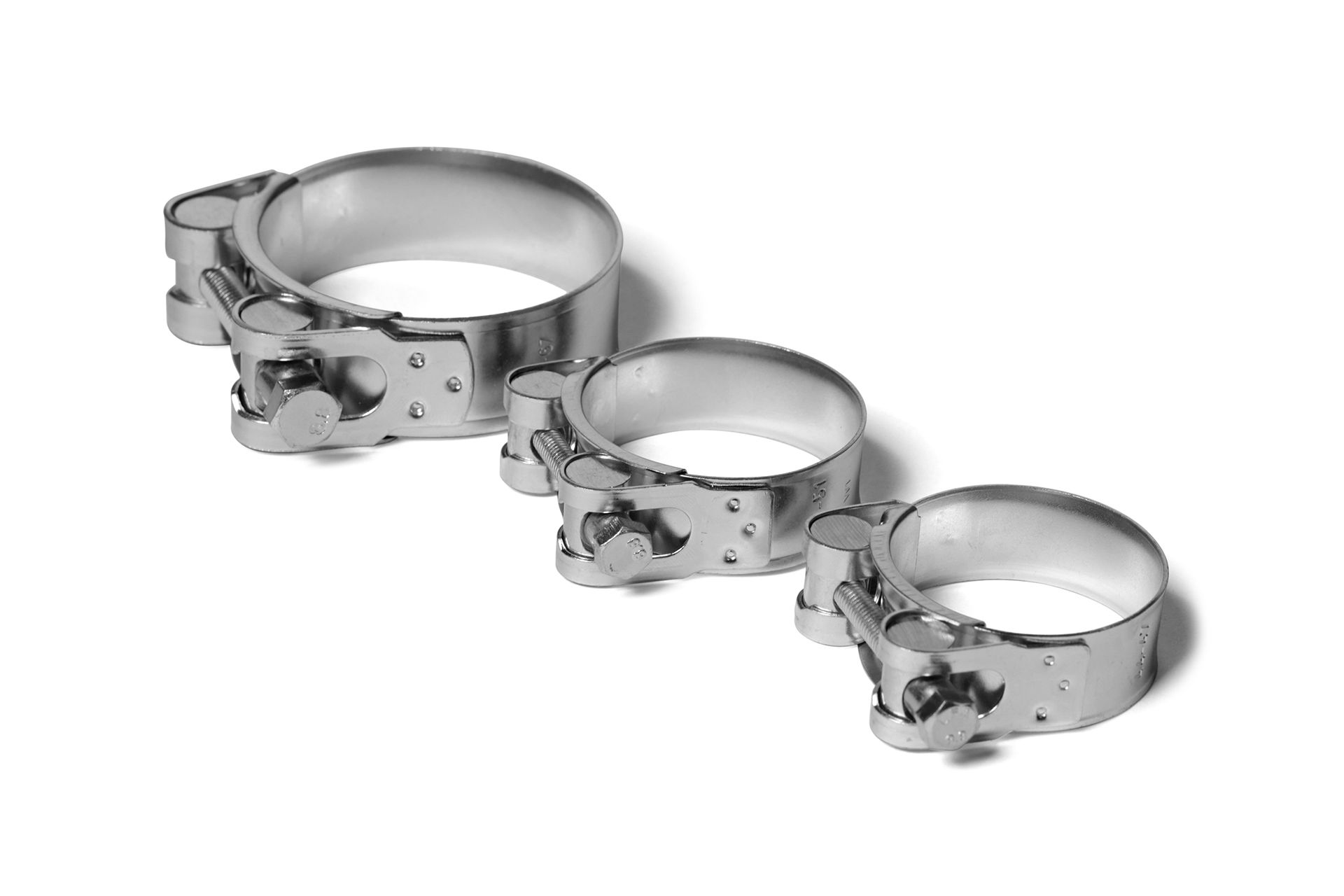 Michel Tube Engineering
›Hinged Bolt Clamp (Gelenkbolzenschelle)
System Components
The connection, fixing and routing parts that complete a conveying line. These small parts determine the tightness and the strength of the line just as much as its body does.
Products
| Product | Function |
|---|---|
| 90° Bend — Aluminum | A change of direction on the vacuum line (100 / 150 / 200 mm) |
| Reducer — Aluminum | A change of diameter on the vacuum line |
| Pipe Clamp (Bügelschelle) | Fixes the pipe to the structure |
| Hinged Bolt Clamp (Gelenkbolzenschelle) | A clamp that opens and closes quickly — for frequently dismantled points |
| Mounting Rail (MQ41) | The carrying rail of the pipeline |
| Material Container | An aluminum buffer hopper on wheels, 100 – 400 L |
Why does fixing matter?
A pipeline that is not fixed sufficiently moves with the vibration created by the passage of material. Over time that movement leads to loosening at the connection points, to leakage and to false air entering. The vibration noise is also disturbing in a production environment.
Hinged clamps save time at points that are frequently dismantled for cleaning or maintenance — they open and close without undoing a bolt.
Related: Pipe Couplings · Round Tubes · The system as a whole: the complete feeding system
Why system components are a separate heading
The tube, the elbow and the connector are the visible part of the line; the system components are the parts that hold the line up. Mounting rails, clamps, and the bends and reducers of the vacuum line belong to this group. This is the section most underestimated during installation and the last one looked at during fault analysis.
The chain caused by insufficient fixing
A poorly fixed line vibrates while running → the vibration loosens the connection points → false air enters through the loosened connection → the conveying capacity falls. The symptom appears at the pump, the cause is in the installation. This chain builds up over months and is hard to diagnose.
Fixing rules
- The support spacing is determined by the tube diameter and material; aluminum is supported more frequently
- An allowance must be left for thermal expansion; fixed and sliding points must be distinguished
- Elbows and branch points are supported separately — the dynamic load is high there
- If a clamp is overtightened the tube cross-section deforms; if it is undertightened vibration begins
- Couplings do not carry a load; a tension relief element is needed separately
The vacuum line side
Because there is no wear load on the vacuum line, aluminum bend and reducer parts are used. What is decisive here is the pressure loss: every bend takes away some of the drawing power, and the number of bends should be reduced as far as possible.
Planning
The fixing points should be determined while the line is being designed; adding them later usually means dismantling the line.