Magnetic Separators Products(13)
 MENSINK Magnetics
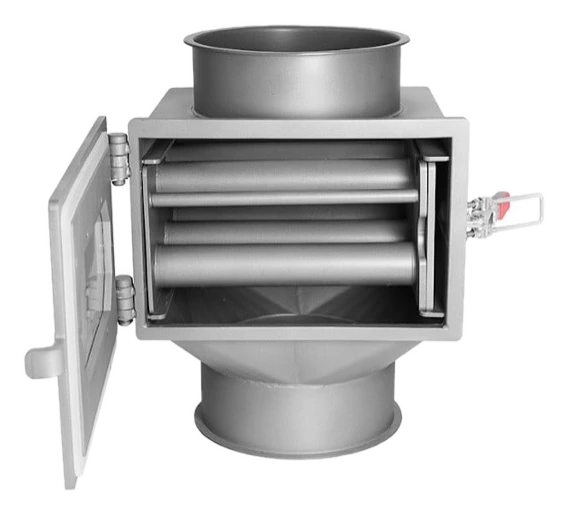
›Magnetic Drawer Separator
- Magnetic Drawer Separator — free-fall magnetic separator
- Stainless steel (SS 304/316) hygienic housing
- Powerful Neodymium magnet
 MENSINK Magnetics
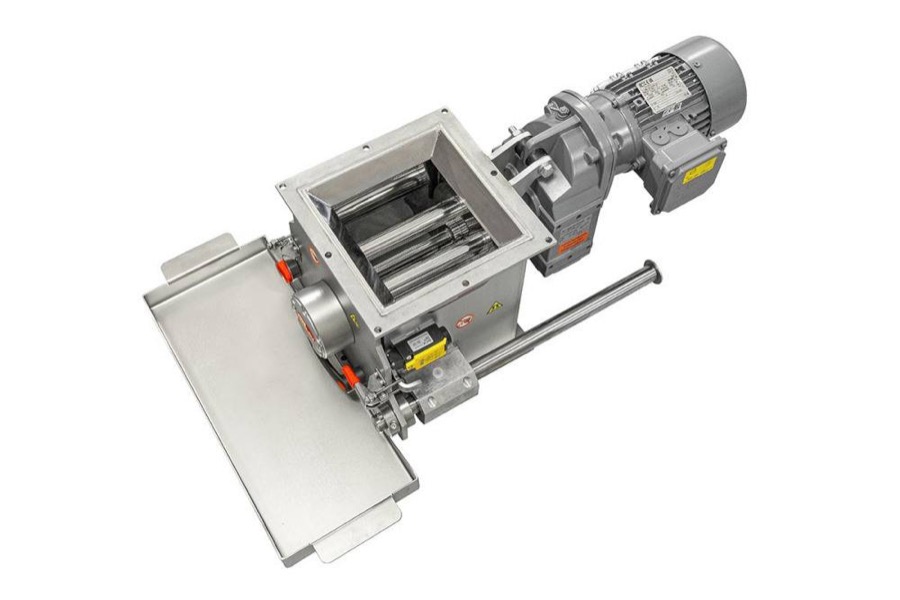
›Rotating Magnetic Separator
- Rotating Magnetic Separator — free-fall magnetic separator
- Stainless steel (SS 304/316) hygienic housing
- Powerful Neodymium magnet
 MENSINK Magnetics
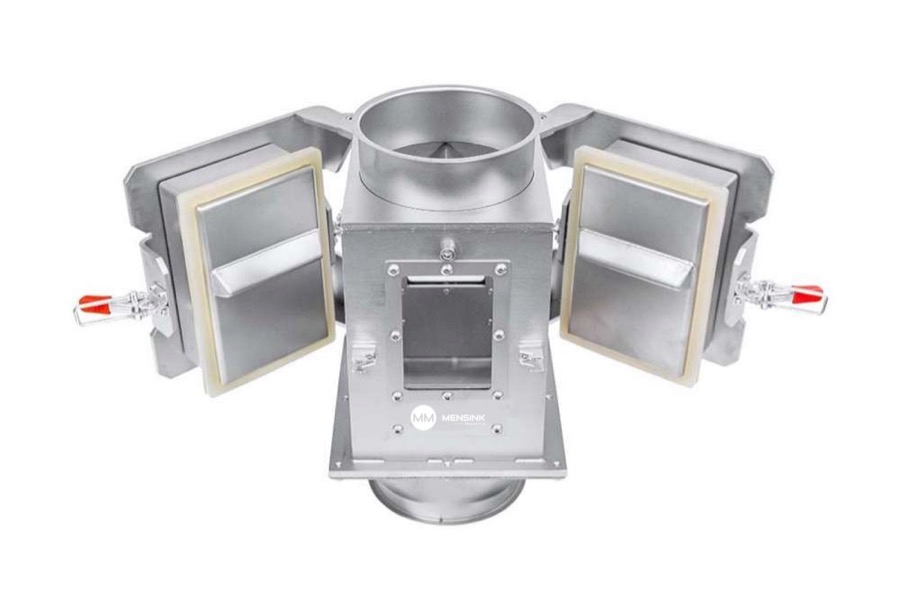
›Chute Magnet
- Chute Magnet — free-fall magnetic separator
- Stainless steel (SS 304/316) hygienic housing
- Powerful Neodymium magnet
 MENSINK Magnetics
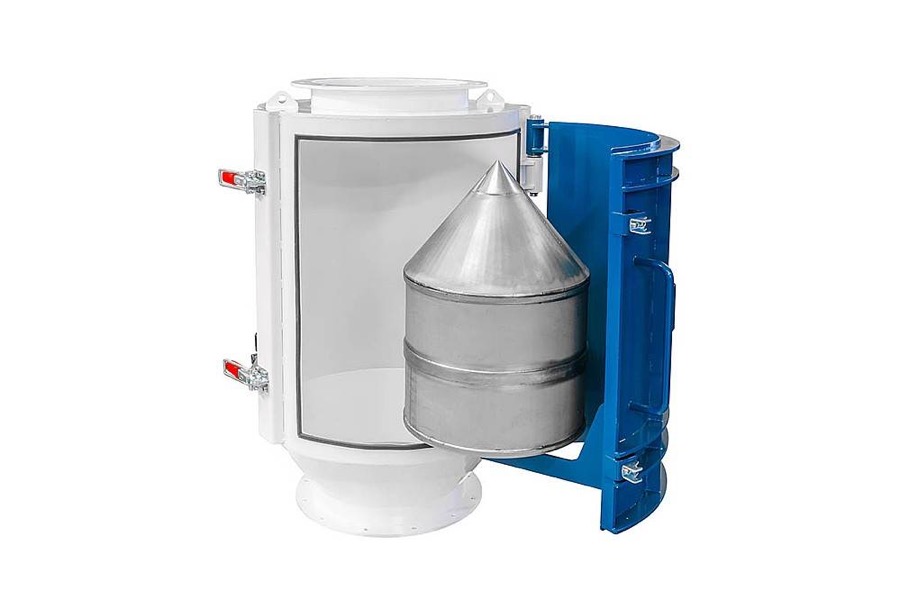
›Bullet Magnet
- Bullet Magnet — free-fall magnetic separator
- Stainless steel (SS 304/316) hygienic housing
- Powerful Neodymium magnet
 MENSINK Magnetics
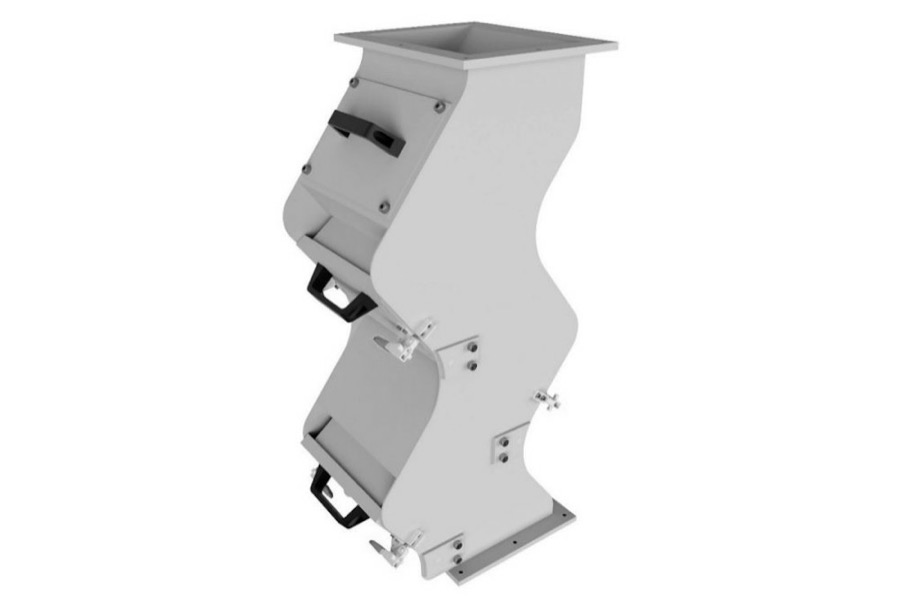
›Hump Magnet
- Hump Magnet — free-fall magnetic separator
- Stainless steel (SS 304/316) hygienic housing
- Powerful Neodymium magnet
 MENSINK Magnetics
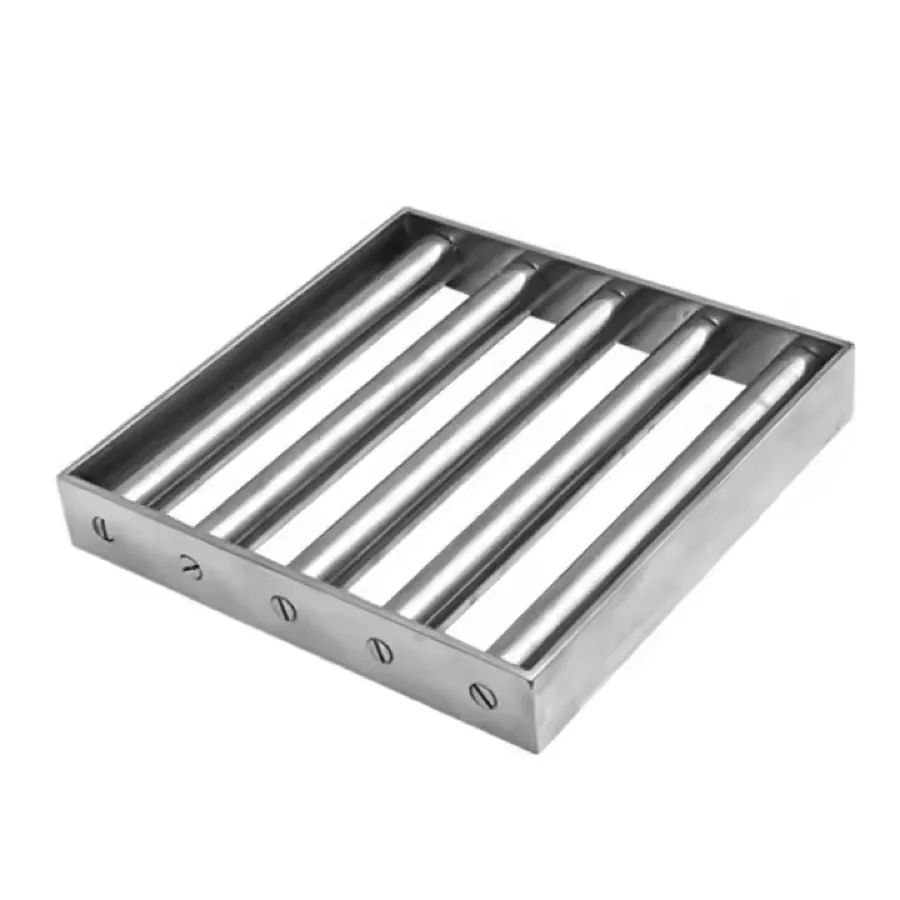
›Magnetic Grid
- Magnetic Grid — free-fall magnetic separator
- Stainless steel (SS 304/316) hygienic housing
- Powerful Neodymium magnet
 MENSINK Magnetics
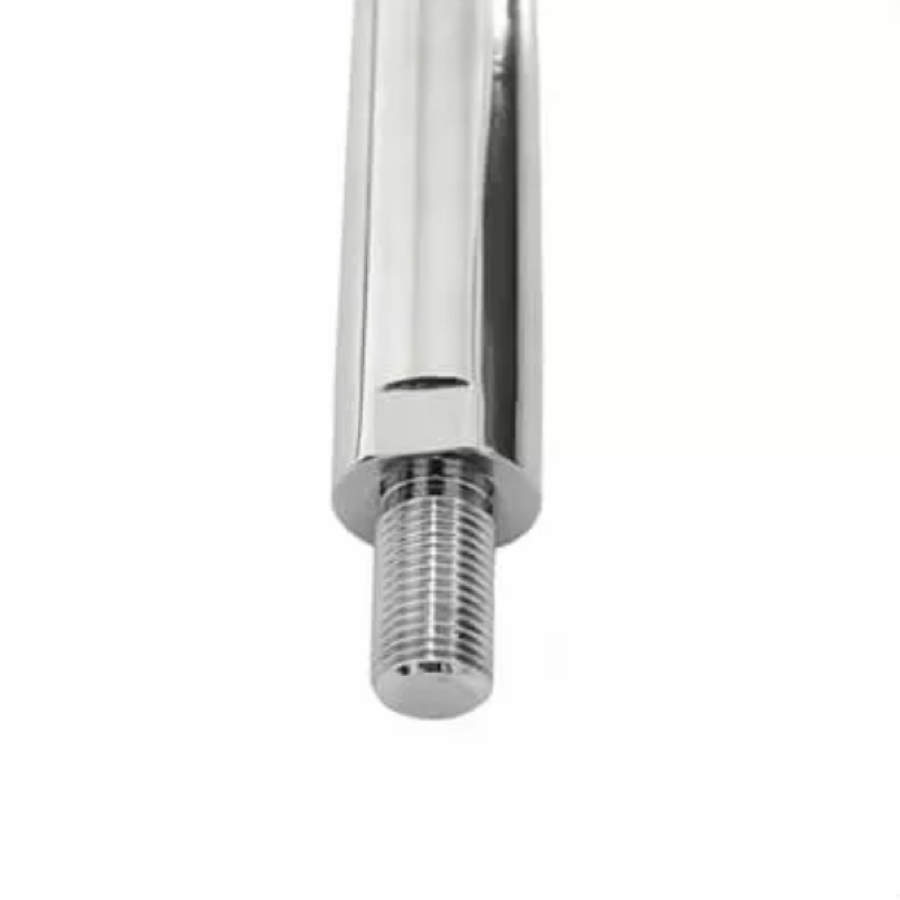
›Magnetic Rod
- Magnetic Rod — free-fall magnetic separator
- Stainless steel (SS 304/316) hygienic housing
- Powerful Neodymium magnet
 MENSINK Magnetics
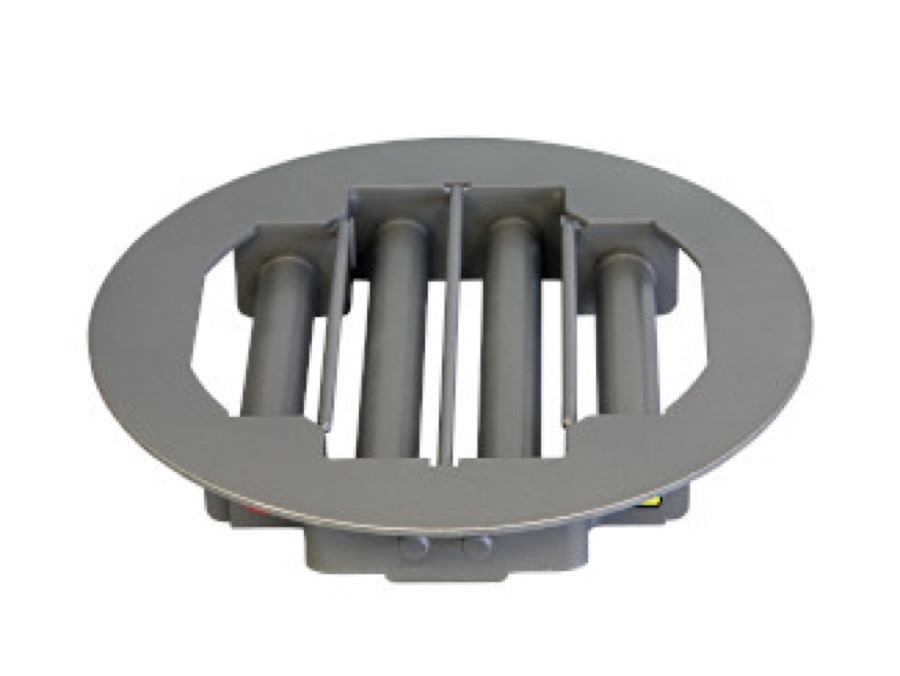
›Hopper Magnet
- Hopper Magnet — free-fall magnetic separator
- Stainless steel (SS 304/316) hygienic housing
- Powerful Neodymium magnet
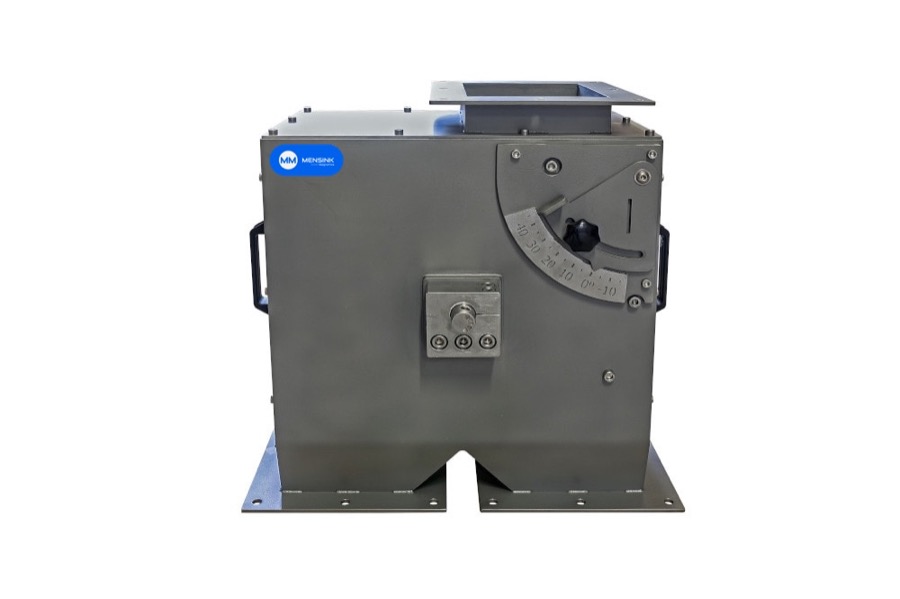 MENSINK Magnetics
›Drum Magnet
- Drum Magnet — free-fall magnetic separator
- Stainless steel (SS 304/316) hygienic housing
- Powerful Neodymium magnet
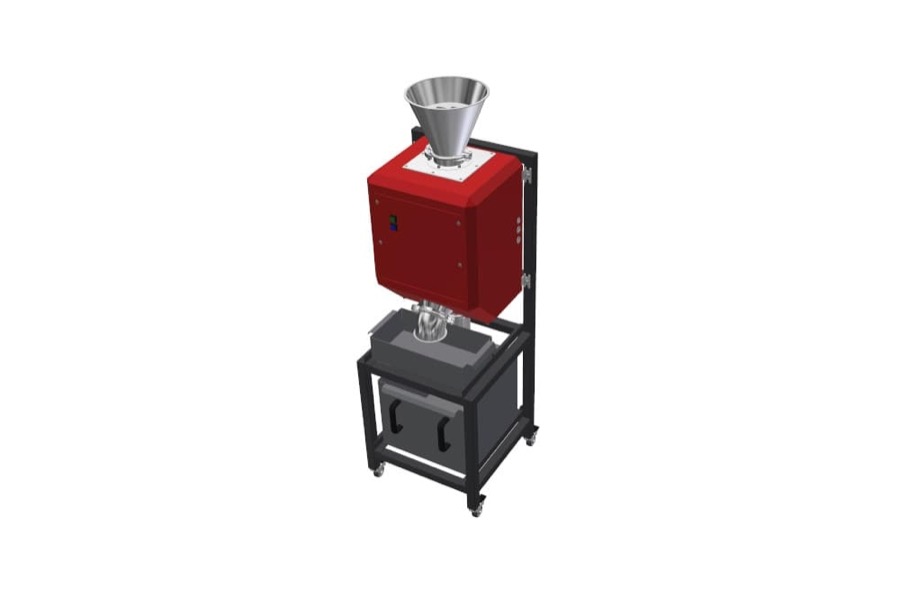 MENSINK Magnetics
›Mobile Separation Unit
- Mobile Separation Unit — free-fall magnetic separator
- Stainless steel (SS 304/316) hygienic housing
- Powerful Neodymium magnet
 MENSINK Magnetics
›Pressure Line Magnetic Separators
- Closed line for liquid and paste products
- 316 stainless steel, polished surface
- CIP compatible — high hygiene
 MENSINK Magnetics
›Conveyor Belt Magnetic Separators
- For bulk flow on a belt
- Overband, head-pull, drum types
- Continuous operation — high capacity
 MENSINK Magnetics
›Other / Custom Magnetic Separators
- For special/niche applications
- Coolant, bag filter, lab
- Suitable for small flows and high viscosity
Magnetic Separators — Clean Out Iron Contamination
Magnetic separators form the core of magnetic separation technology. By removing unwanted metal contamination from solid, powder or liquid product streams they protect machines, finished products and processes. Whether the product is food, plastic granulate, powder or liquid, a well-designed magnetic separator is indispensable for safe, efficient and reliable production.
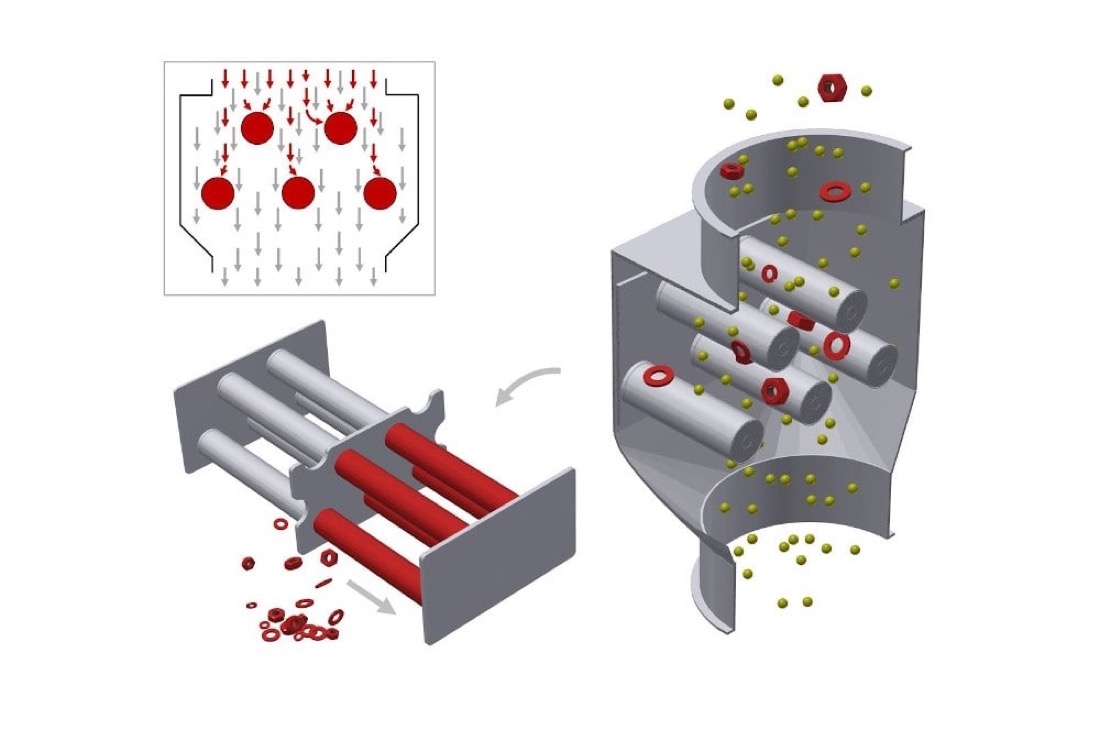
What is a magnetic separator?
A magnetic separator is a system that uses magnetic fields to remove iron (ferromagnetic) and weakly magnetic metal particles from the product stream. Depending on the product form and the process step, the separation can take place in free fall, under pressure or on a conveyor belt. This prevents plant damage, reduces downtime and improves product quality.
The performance of a separator depends on three factors:
- Magnetic flux density (the strength of the field)
- Contact time (between the product and the magnetic surface)
- Flow dynamics (free fall, pressure, conveying)
A well-designed separator combines these elements; metal contamination is captured efficiently without obstructing the product flow.
Types of magnetic separator
- Free fall — for dry streams where powders, granulate and pellets fall vertically (drawer, grate, bar, hopper, chute and rotary types).
- Pipeline — for liquid and paste products such as sauce, oil and coatings in closed pipelines; 316 stainless steel, CIP compatible.
- Conveyor belt — for bulk streams on a belt (overband/suspended, head-pull or drum); recycling, mining, cement.
- Other — special applications such as coolant, bag filters or the laboratory.
Material selection and magnetic force
The strength and efficiency of a separator depend on the magnet material used. Most modern separators use Neodymium magnets because of their high flux density and their resistance to loss of magnetization. In high temperature or aggressive chemical conditions Samarium-Cobalt (SmCo) is preferred. The right material choice determines both the separation force and the service life of the system.
Areas of application
They are used in the food, animal feed, chemical, mining, recycling, plastics processing and pharmaceutical sectors. Their principal functions are: removing metal contamination from bulk streams; protecting sensitive machines such as mills, pumps and extruders; food safety and product purity; preventing ignition sources in ATEX-sensitive environments.
What to watch for when choosing a separator
- Insufficient magnetic force: too low a flux density leaves fine magnetic particles in the product, leading to rejects, wear and downtime caused by blockages.
- Wrong placement: a separator that is not put at the right point loses much of its effectiveness. The most efficient separation is done ahead of critical machines or at the inlet of a silo, mixer or pump.
- Lack of maintenance and inspection: even the strongest magnets require periodic cleaning; accumulated particles spoil the magnetic contact and the purity of the product.
- Non-ATEX version: in dusty environments static electricity can cause ignition; only ATEX-certified separators (zone 1, 2, 3) ensure safe operation.